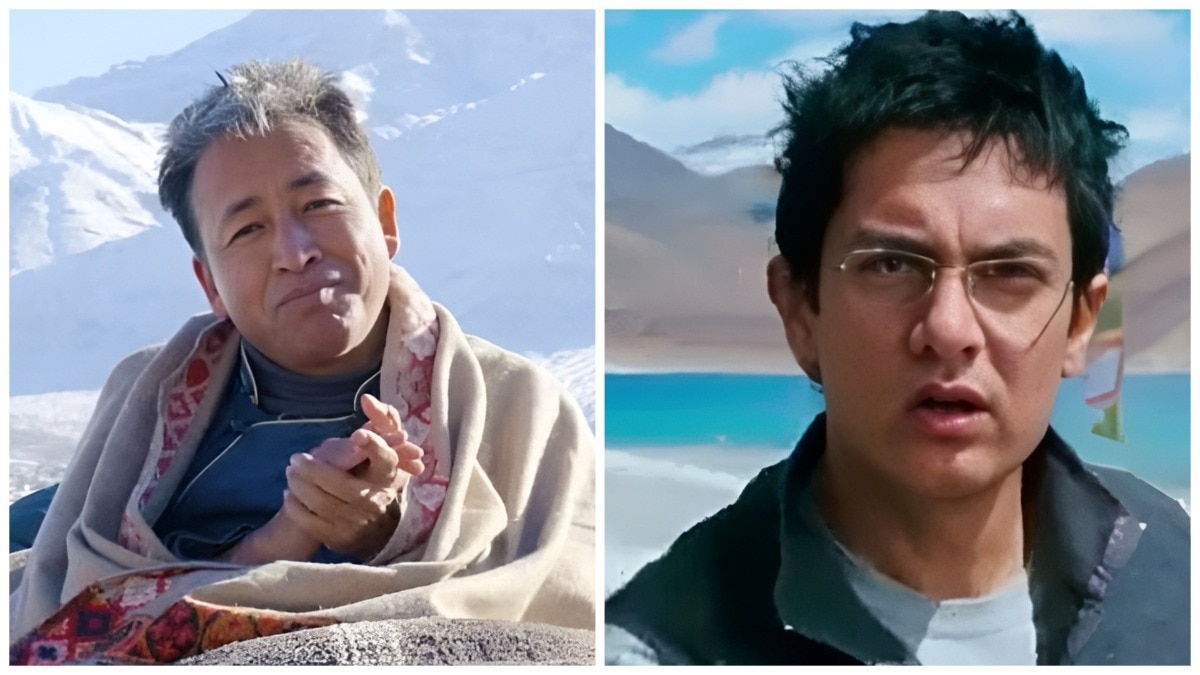
Sonam Wangchuk’s real‑life educational reforms shaped Aamir Khan’s Rancho in 3 Idiots, turning the character into a lasting beacon for Indian youth. This piece explores the Ladakh‑based engineer’s influence on the film and its relevance today.
Key Takeaways
- Sonam Wangchuk’s learning‑by‑doing philosophy inspired the creation of Rancho.
- The Ladakh school shown in 3 Idiots mirrors SECMOL’s experiential education model.
- Rancho’s message continues to resonate with India’s new‑generation learners.
When Rajkumar Hirani released 3 Idiots in 2009, Aamir Khan’s portrayal of Rancho quickly became more than a comedic relief—it became a cultural touchstone. Behind that quirky, problem‑solving engineering student lay the real‑world story of Ladakh engineer‑activist Sonam Wangchuk, whose radical ideas on education shaped the character’s ethos.
Background and Inspiration
Wangchuk founded the Students' Educational and Cultural Movement of Ladakh (SECMOL), championing a hands‑on, “learning by doing” approach. Instead of memorising textbook paragraphs, students built prototypes, experimented with local materials, and solved tangible problems. This very spirit is reflected in the film’s climax, where Rancho’s classmates are seen constructing devices rather than merely reading.
Social Impact of Rancho
Rancho’s mantra—“Don’t just study to score marks; understand the why behind the what”—echoed Wangchuk’s belief that education should be a tool, not a trophy. The character’s defiance of rote learning resonated with an entire generation of Indian students, who felt trapped by parental expectations and exam pressures. By voicing what many silently thought, Rancho became a cult favourite and a rallying cry for reform.
Relevance in 2026
Fast‑forward to 2026: social media, AI‑driven career advice, and relentless productivity hacks dominate young professionals’ lives. Yet the core lesson remains unchanged—curiosity, problem‑solving, and genuine understanding outweigh mere memorisation. Wangchuk’s ongoing 17‑day hunger strike underscores that his mission to overhaul education is as urgent now as it was a decade ago.
Future Trajectory
As India’s startup ecosystem, side‑hustles, and tech‑enabled learning explode, the synergy between Wangchuk’s philosophy and Rancho’s outlook offers a roadmap for sustainable growth. The character’s refusal to join the “race for grades” feels rebellious, but it also provides a timeless template for students navigating a hyper‑competitive world.