Delhi's new winter pollution action plan has sparked backlash from the construction sector. Industry leaders warn that fixed-date restrictions, rather than AQI-based measures, could devastate livelihoods and supply chains.
Key Takeaways
- Delhi's new rules mandate construction curbs on fixed dates rather than reacting to daily AQI levels.
- Industry bodies like NAREDCO and CII are seeking exemptions for non-dust-generating activities.
- The ban applies from November 1 to February 28, aiming to combat severe winter smog.
- Stakeholders warn of massive livelihood losses for daily wage laborers and cash flow crises for suppliers.
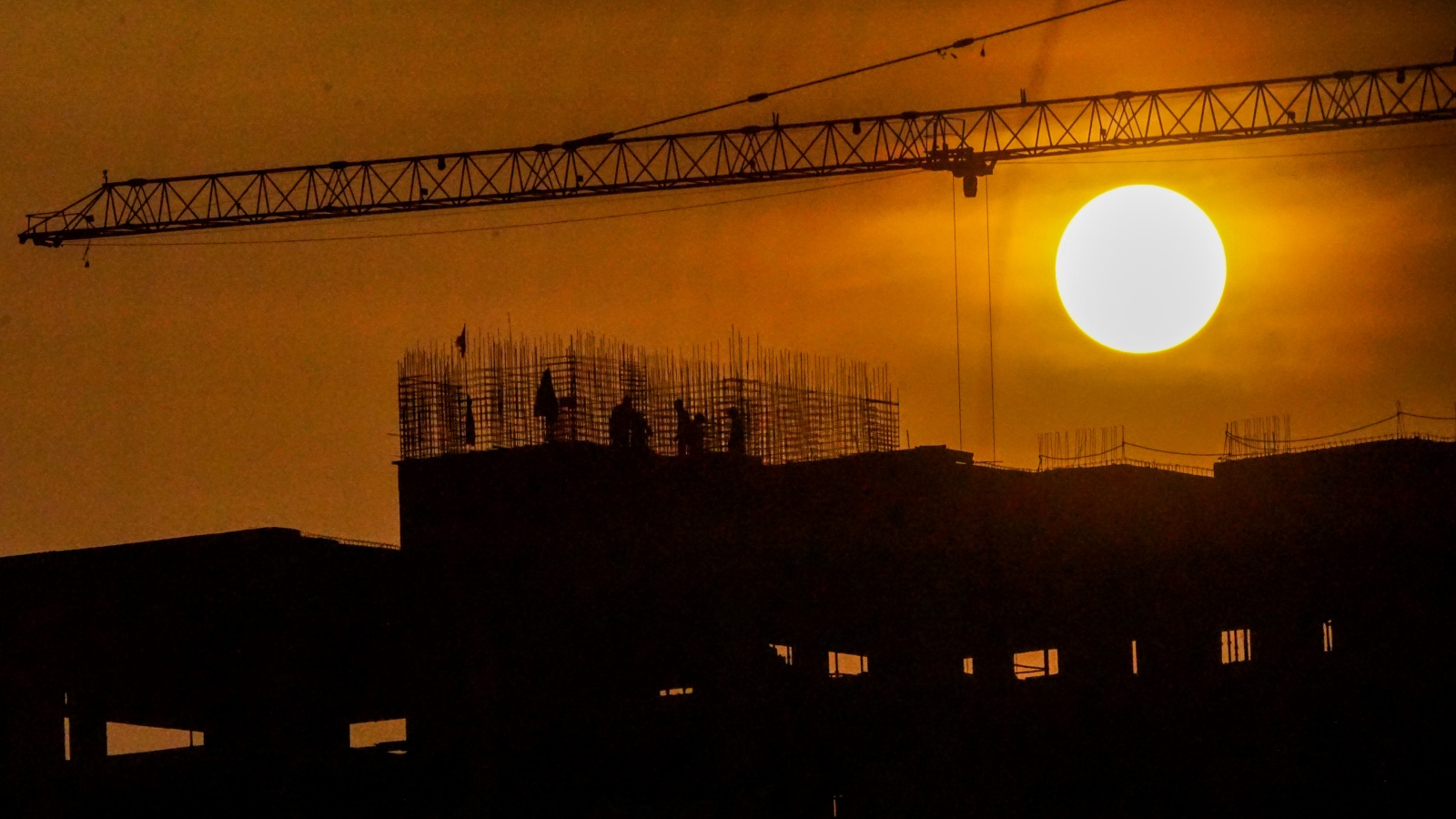
The construction industry in Delhi is sounding the alarm over the government's newly notified winter pollution action plan. Unlike previous years, where restrictions were triggered by specific Air Quality Index (AQI) thresholds, the new framework imposes mandatory curbs during the winter months, regardless of the actual daily pollution levels.
Industry heavyweights, including the Delhi chapters of the National Real Estate Development Council (NAREDCO) and the Confederation of Indian Industry (CII), have formally approached the government. They argue that the blanket nature of these restrictions will disrupt the entire value chain, from large-scale developers to small-scale marble and steel traders.
Why This Matters
BozokMedia analysis shows that this policy shift represents a move toward preventive governance, but it risks significant socio-economic collateral damage. By decoupling restrictions from real-time air quality, the government is prioritizing consistent mitigation, yet this could lead to a 'shutdown culture' that pushes ancillary industries toward insolvency.
A nuanced approach is required to ensure environmental goals do not come at the cost of essential infrastructure and human livelihoods.
In meetings with Industries Minister Manjinder Singh Sirsa, industry representatives proposed a more surgical approach. They suggested that while high-dust activities like demolition and excavation should be banned, 'finishing works'—such as electrical, plumbing, and interior fit-outs—should be permitted to prevent total project stagnation.
Winter Restriction Schedule
| Period | Restriction Level | Exemptions |
|---|---|---|
| Nov 1 - Jan 31 | Ban on demolition & open civil work | Essential public infrastructure projects |
| Dec 10 - Jan 20 | Stringent restrictions on most work | Indispensable government utility projects |
The government maintains that this consolidated framework is a necessary response to the 'Very Poor' to 'Severe' air quality trends observed over the last three years. The goal is to move away from the unpredictable implementation of the Graded Response Action Plan (GRAP) toward a predictable annual cycle.
Frequently Asked Questions
1. Will all construction projects stop in Delhi this winter?
Not necessarily. While dust-heavy activities like excavation are banned, finishing works like plumbing and electrical installations can continue under dust-control norms.
2. Why is the government changing the rules from the AQI-based system?
The government aims to create a permanent, predictable set of rules to combat the consistent trend of severe pollution recorded during the winter months.