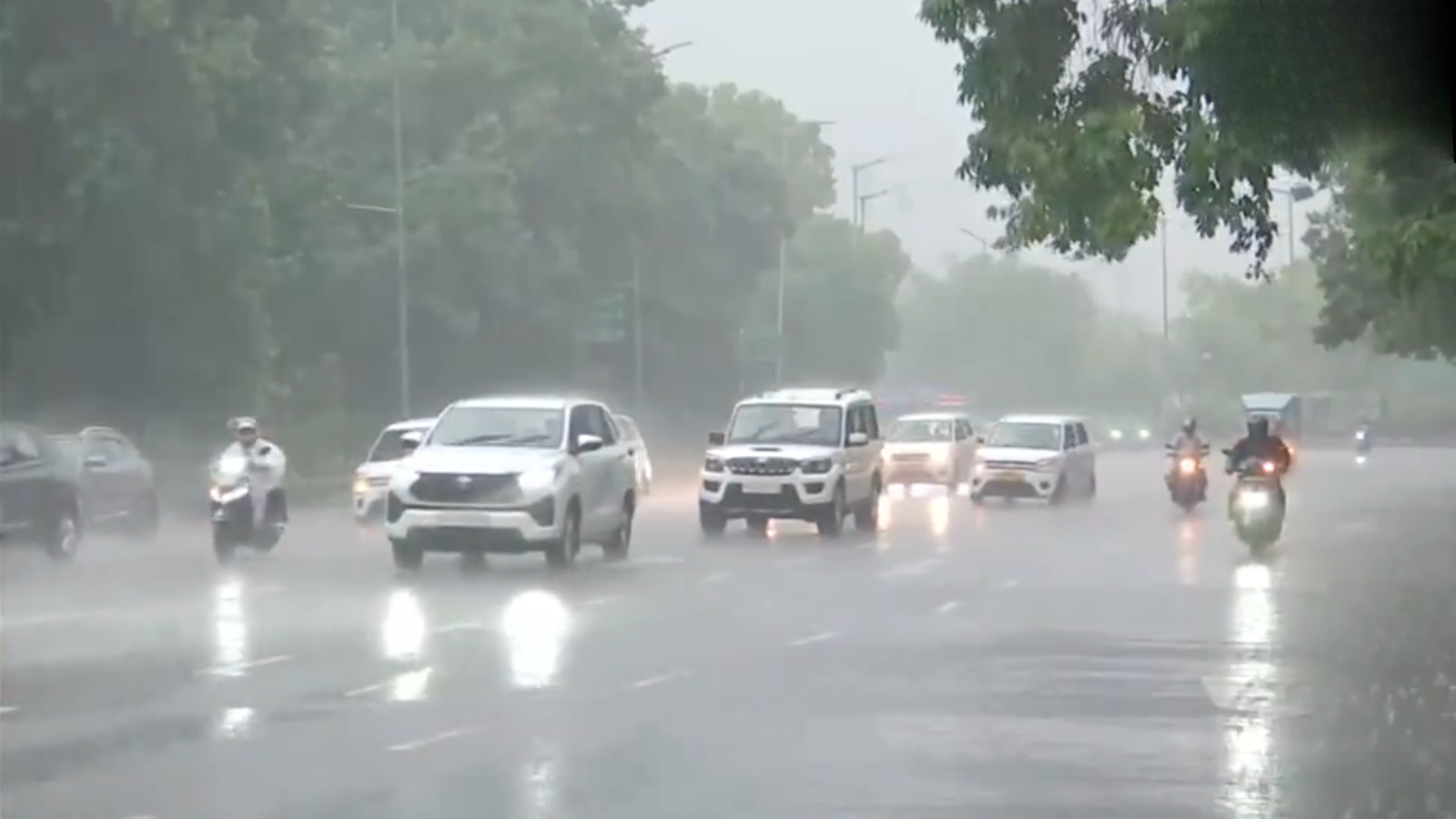
The India Meteorological Department has issued a red alert for Delhi, forecasting heavy rain and lower temperatures over the next 24 hours. Traffic disruptions and waterlogging are expected across several districts.
Key Takeaways
- IMD issues a red alert for Delhi
- Heavy rain of 64‑115 mm expected in multiple districts
- Maximum temperature 31‑33°C, minimum 22‑24°C
The India Meteorological Department (IMD) has declared a red alert for Delhi today, signaling moderate to heavy rain across the capital. Monsoon clouds dominate the sky, and temperatures are set to dip below normal levels.
Districts such as New Delhi, Central Delhi, Northeast Delhi, South Delhi, Shahdara, East Delhi and South‑East Delhi are projected to receive 64.5‑115 mm of rain. These areas face a high risk of waterlogging and flash floods, while other parts of the city will see lighter showers.
Rain is expected to cause traffic snarls, road water‑logging, and an increased likelihood of accidents. Commuters are advised to monitor traffic updates and avoid low‑lying, flood‑prone routes.
Monsoon conditions will persist throughout the week. On August 7, temperatures will hover between 32‑34°C with light rain, while August 8‑9 will see brief showers mainly in the early morning and evening. Light rain continues on August 10‑11, with maximum temperatures remaining in the 32‑34°C range.
Historical Background
Delhi’s monsoon typically peaks in July‑August, with record‑breaking rains recorded in recent years. The 2021 deluge set a new benchmark, exposing the city’s drainage vulnerabilities and prompting calls for infrastructure upgrades.
Why This Matters
BozokMedia analysis shows that repeated red alerts strain urban infrastructure and amplify economic losses, urging policymakers to prioritize resilient drainage systems.
"A red alert signals extreme rainfall and potential flooding, demanding immediate preparedness," says meteorologist Dr. Anita Singh.
Frequently Asked Questions
Question 1: What does a red alert mean?
Answer: It indicates a high probability of severe rain, flash floods, and related hazards, requiring immediate caution.
Question 2: How should commuters stay safe?
Answer: Check real‑time traffic updates, avoid low‑lying flood‑prone areas, and consider alternate routes where possible.