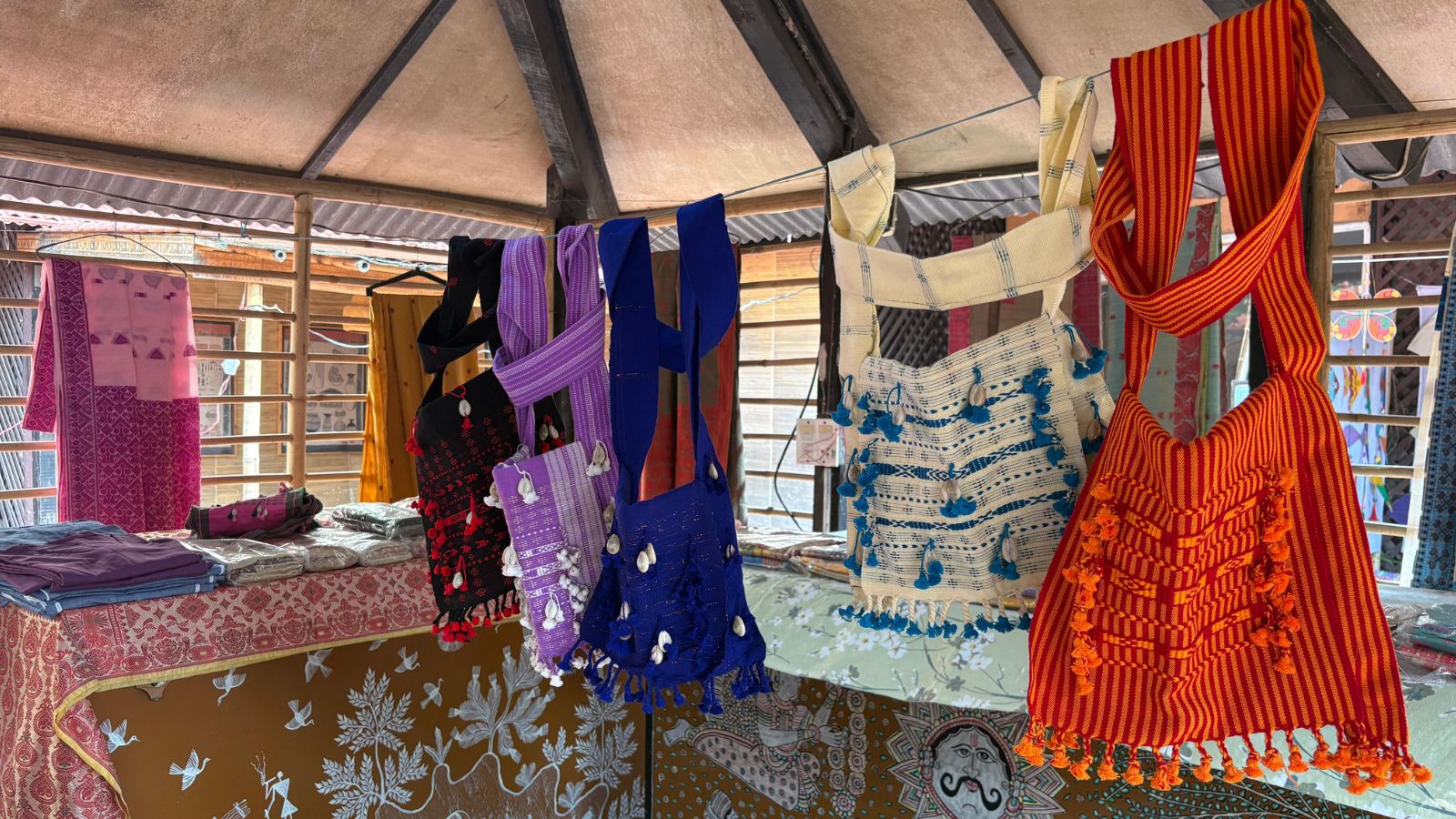
Four artisans from Assam, Kutch, Varanasi and Bhagalpur demonstrated traditional weaving methods at the 'Know Your Weaves' exhibition in Pragati Maidan. The event marks the celebration of World Handloom Day across India.
Key Takeaways
- Assam's traditional loin loom demonstrated live
- Weaves from Kutch, Banaras and Bhagalpur also showcased
- Event held at the National Crafts Museum for World Handloom Day
The 'Know Your Weaves' exhibition opened on August 7 at the National Crafts Museum & Hastkala Academy in Pragati Maidan, Delhi, marking the start of World Handloom Day celebrations. Running through August 10, the showcase highlights India's diverse handloom heritage.
Among the four artisans, 57‑year‑old Mitali Baruah from Guwahati demonstrated the portable loin loom, a device traditionally used in Assam’s hill and tribal regions. Having learned the craft from her mother, she now runs a production centre that creates table mats, stoles, shawls and purses from mercerised cotton.
Other artisans presented kala cotton from Kutch, Banarasi silk from Varanasi, and Bhagalpuri cotton weaves, each reflecting the unique textile traditions of their regions.
Historical Background
Handloom weaving in India dates back over three millennia, forming the backbone of rural economies and cultural identity. From the looms of Assam to the intricate silk of Banaras, these techniques have survived colonial disruption and modern industrialization, remaining vital to millions of livelihoods.
Dr. Ravi Sharma, textile historian, notes: “Hand weaving is not just an art; it is a cornerstone of sustainable development.”
Why This Matters
BozokMedia analysis shows that showcasing traditional handloom techniques on a national platform revitalizes rural economies and reinforces India’s soft power in global textile markets.
Frequently Asked Questions
Question 1: When is World Handloom Day celebrated?
Answer: It is observed annually on August 7.
Question 2: Which regions primarily use the loin loom?
Answer: The loin loom is most common in Assam’s hill and tribal areas.