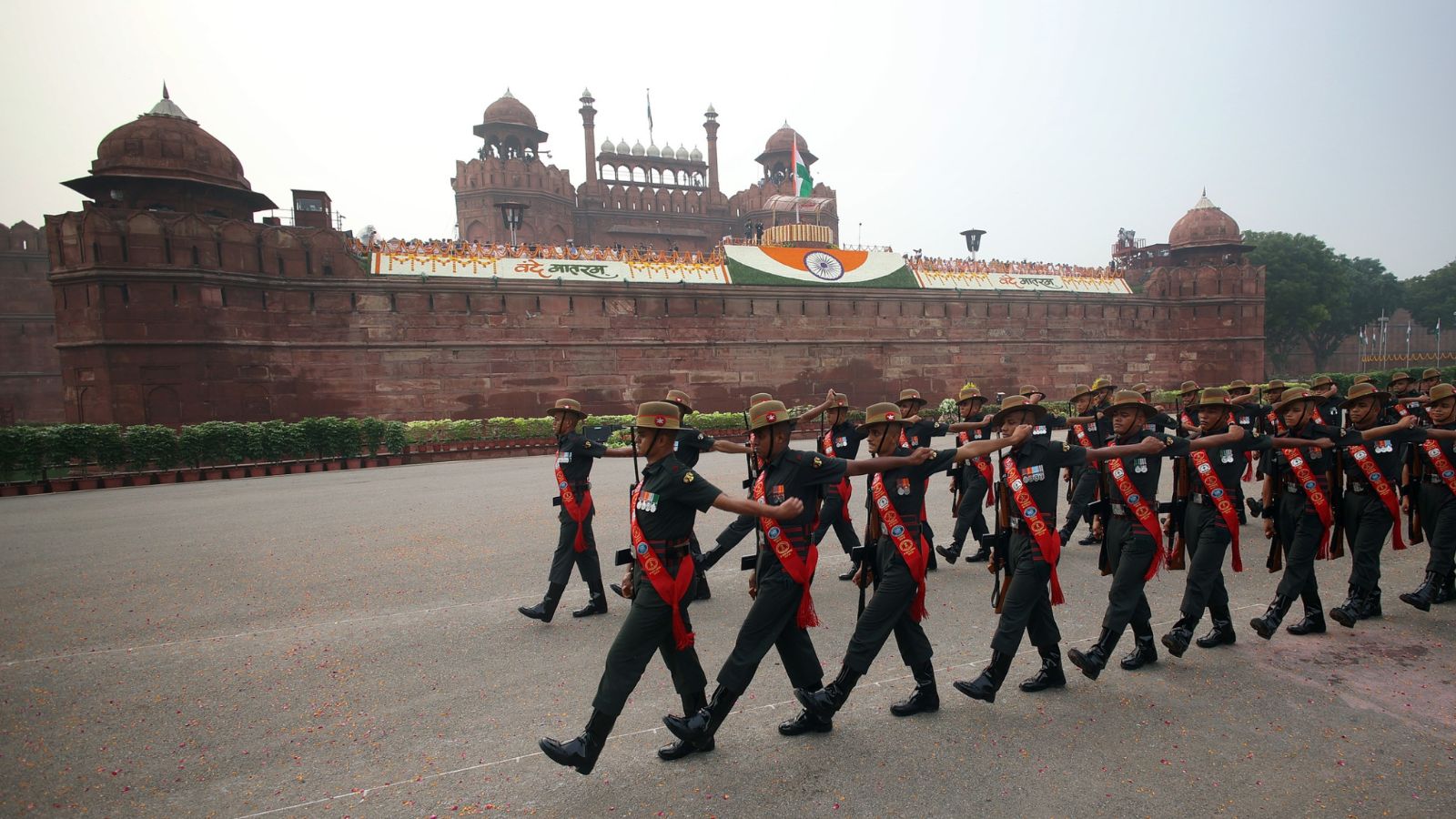
As India celebrates its 80th Independence Day, citizens in Delhi shared diverse perspectives on freedom, ranging from better education to institutional accountability.
Key Takeaways
- Delhi citizens reflected on the modern meaning of independence.
- The youth generation is demanding freedom from corruption, hunger, and underdevelopment.
- There is a strong call for political accountability and institutional reforms.
New Delhi: Amidst the heavy security and barricades of the 80th Independence Day celebrations, the streets of Delhi became a canvas for the nation's collective aspirations. As Prime Minister Narendra Modi addressed the nation from the ramparts of the Red Fort, the citizens gathered—spanning generations—offered a profound reflection on what 'freedom' truly signifies in 2026.
From the quiet dawn in Shaheen Bagh to the bustling crowds near the Red Fort metro station, the atmosphere was a blend of patriotism and pragmatism. While many came to witness the grandeur, others came to voice their needs. For students like Naveen from Ramjas College, the celebration was about being physically present in the nation's journey, rather than just observing it through a screen.
Why This Matters
BozokMedia analysis shows that the Indian electorate is shifting from symbolic patriotism to demanding substantive systemic changes. The discourse among the youth suggests that the next phase of India's evolution will be defined by how effectively it tackles internal socio-economic hurdles rather than just celebrating historical milestones.
'We got independence from the British in 1947. Now we have to get independence from corruption, hunger, and underdevelopment.' — Anshuman, NCC Cadet.
Inside the Red Fort, the sentiment of the younger generation was palpable. Anshuman, an NCC cadet, highlighted that his generation lacks a direct connection to the anti-colonial struggle, making their battle one against modern evils like corruption and lack of institutional reform. Similarly, Ratna Kumari, a student from Haryana, challenged the political narrative, stating that leaders must be held accountable not just for their successes, but for their failures and pending promises.
Historical Background
India gained independence from British rule on August 15, 1947. Over the last 80 years, the nation has undergone massive transformations. As the country marks this milestone, the focus has shifted from nation-building to nation-refining, addressing deep-seated issues of governance and social equity.
Frequently Asked Questions
1. How can one attend the Independence Day celebrations at Red Fort?
Attendance requires a valid pass booked through the Ministry of Defence’s Aamantran portal.
2. What are the primary concerns of Delhi's youth this year?
The youth are primarily focused on institutional reforms, fighting corruption, and improving the education system.