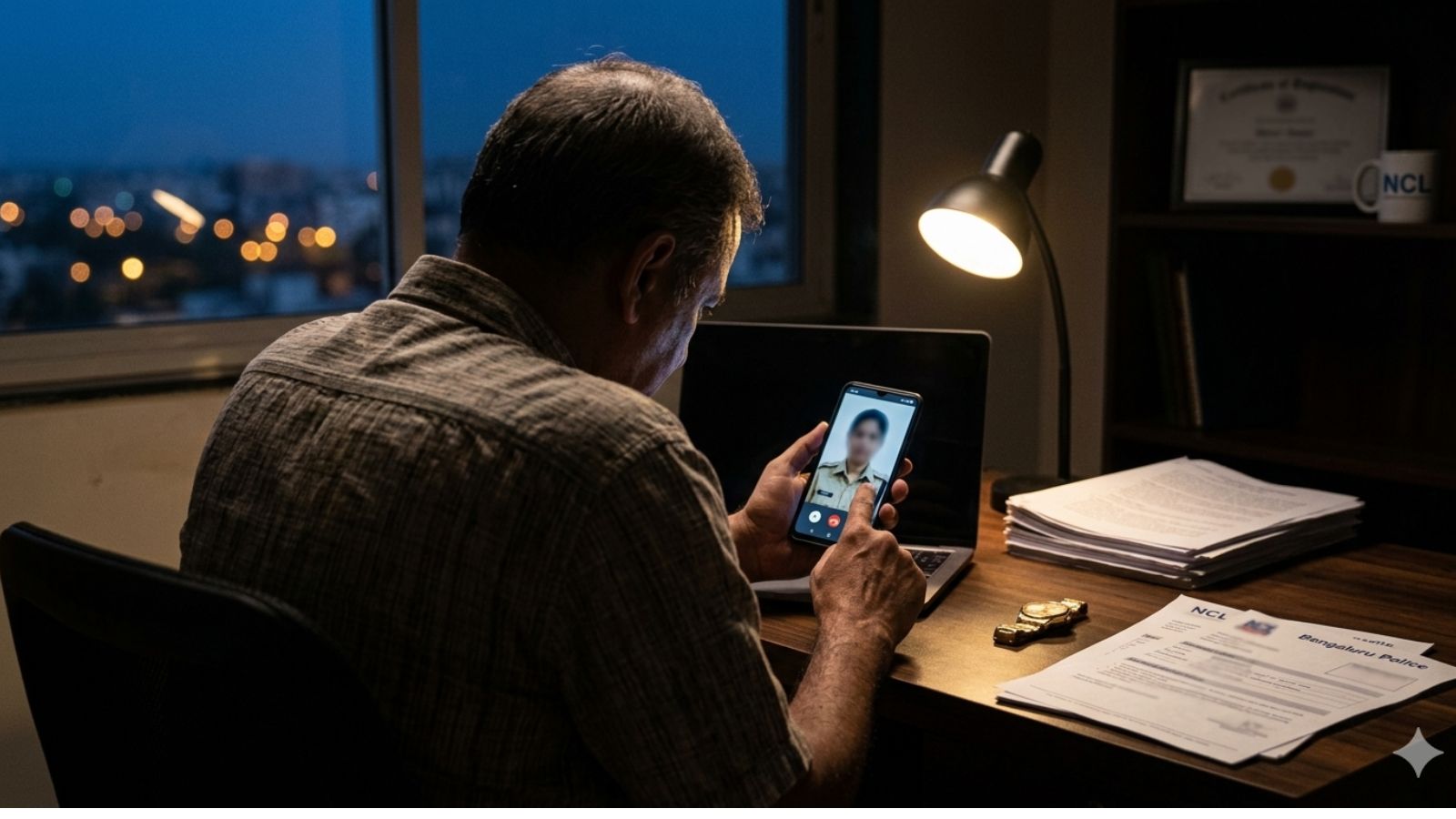
The Avadi Central Crime Branch has arrested a moneylender, Kalimuthu, for allegedly extorting over ₹1.15 crore from a borrower through illegal interest rates, physical assault, and criminal intimidation.
Key Takeaways
- Accused Kalimuthu extorted ₹1.15 crore against an initial loan of ₹16.10 lakh.
- The victim was coerced into signing blank promissory notes, cheques, and stamp papers.
- The Avadi Central Crime Branch (CCB) has made an arrest and investigation is ongoing.
In a staggering case of financial exploitation, the Avadi Central Crime Branch (CCB) has arrested a moneylender for allegedly running an extortion racket. The accused, identified as Kalimuthu, is charged with collecting exorbitant interest, criminal intimidation, and physical assault against a borrower in Chennai.
The complainant, Natarajan, a resident of Ambattur, revealed that he had shared a long-standing acquaintance with the accused for nearly twenty years. The ordeal began in 2018 when Natarajan borrowed ₹16.10 lakh from Kalimuthu to fund his business operations. However, what started as a business transaction quickly spiraled into a nightmare of systemic extortion.
The Modus Operandi
According to police reports, the accused utilized predatory tactics from the very beginning. Before disbursing the loan in installments, Kalimuthu allegedly forced Natarajan to hand over a signed blank promissory note, six signed blank cheques from Bank of Baroda, and three signed blank stamp papers. These documents became the tools of Kalimuthu's prolonged intimidation.
The complainant alleged that between January 2019 and August 2025, he was subjected to repeated physical assaults and death threats. Under this extreme duress, Natarajan was forced to pay a staggering total of ₹1,15,02,800. Even after this massive sum was paid, the accused reportedly demanded an additional ₹90 lakh, citing astronomical compound interest rates.
Why This Matters
BozokMedia analysis shows that the misuse of blank financial documents is a primary driver in unregulated lending crimes. This case highlights the extreme vulnerability of small business owners to predatory lenders who exploit personal relationships to facilitate criminal coercion.
'The weaponization of blank signed documents allows criminals to bypass legal safeguards and trap victims in endless cycles of debt.'
Frequently Asked Questions
1. How much did the accused demand after the initial payment?
Even after receiving ₹1.15 crore, the accused demanded an additional ₹90 lakh through exorbitant interest.
2. What documents did the accused use to threaten the victim?
The accused used signed blank promissory notes, approximately 50 blank cheques, and three signed blank stamp papers.