A sophisticated online adoption racket in Delhi has been busted after investigators revealed how criminals used fake websites, forged ultrasound reports, and fabricated NGO receipts to extort money from prospective parents.
Key Takeaways
- Accused used a professional-looking website to advertise illegal adoption services.
- Forged medical documents, including ultrasound reports, were used to build trust.
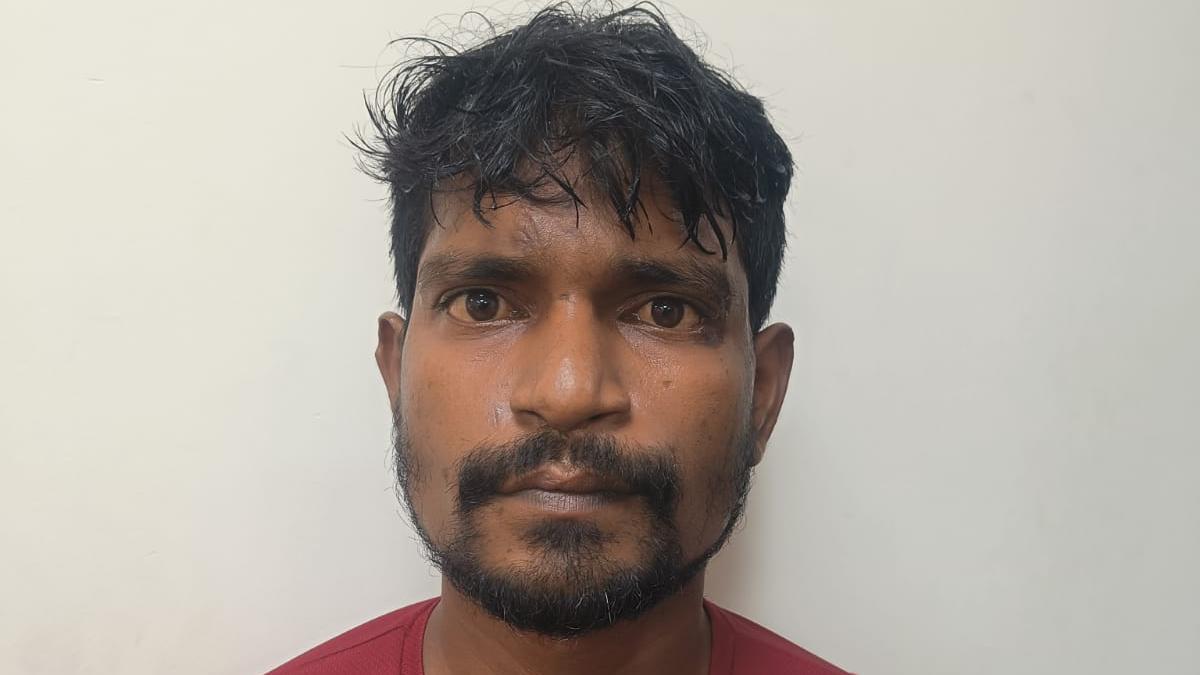
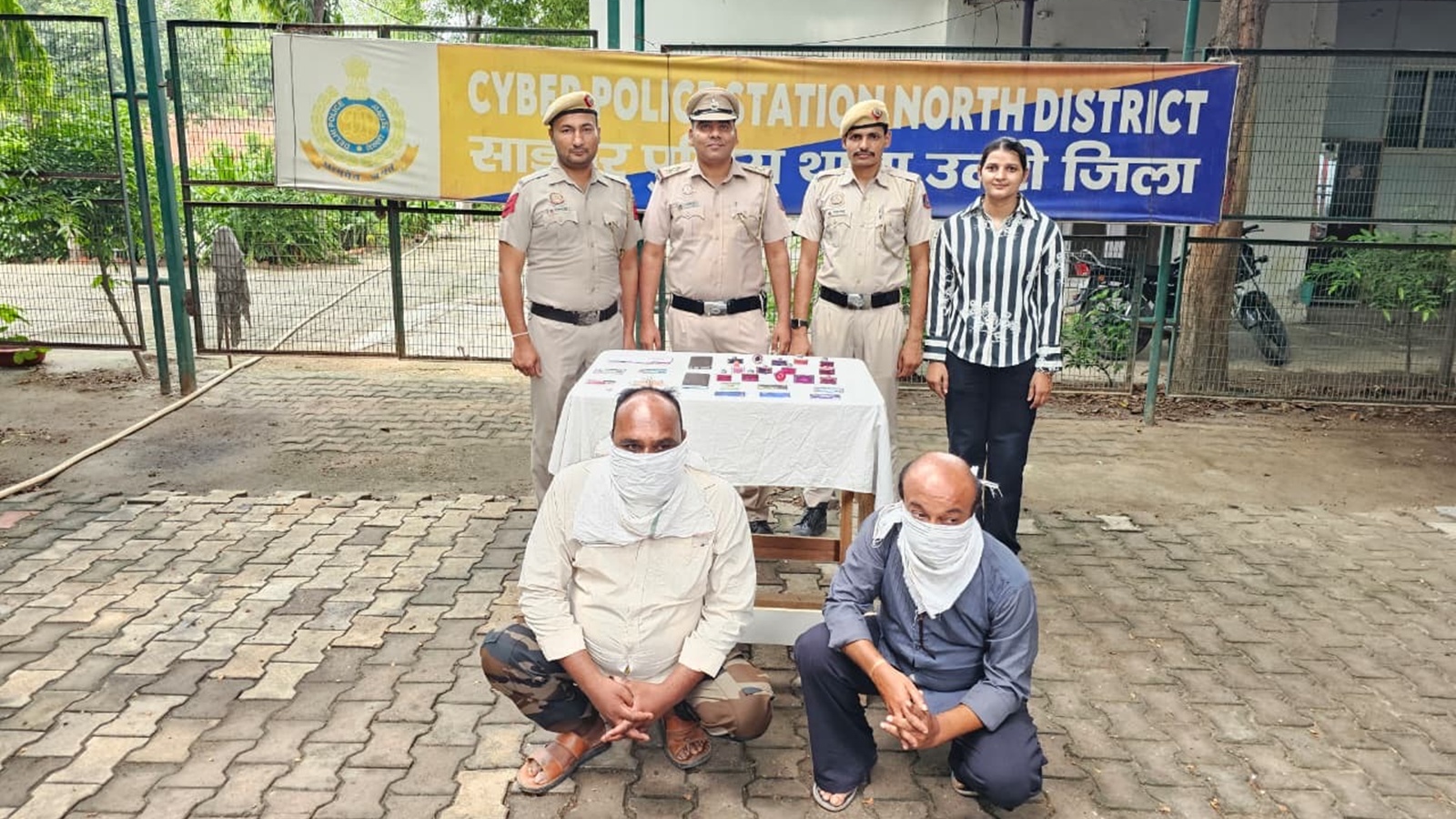
- Two suspects, Sachin Agrawal and Rakesh Kumar, have been arrested in Bareilly, UP.
- Victims were coerced into paying for 'registration', 'delivery', and 'transportation'.
In a chilling revelation that highlights the dark side of digital deception, the Delhi Police have dismantled an organized adoption racket that targeted vulnerable families seeking to expand their homes through legal adoption. The perpetrators allegedly operated a sophisticated web of lies, using a fake website to present themselves as legitimate adoption facilitators.
The investigation unfolded after a resident of Burari, North Delhi, fell prey to the scheme. After years of unsuccessful attempts at IVF and surrogacy, the victim turned to the internet and encountered a website promising legal adoption services. A man identifying himself as Sachin Agrawal convinced her that a baby boy would be available by November 2025, provided she paid various staged fees.
Why This Matters
BozokMedia analysis shows that this case represents a dangerous evolution in cybercrime, where 'social engineering' is weaponized against the deepest human emotions. By instructing victims to buy baby clothes and providing forged medical updates, the scammers created a psychological loop of commitment that made the fraud nearly impossible for victims to detect until it was too late.
The exploitation of the desire for parenthood through digital forgery marks a sinister trend in modern organized crime.
The fraud was bolstered by a second accomplice, Rakesh Kumar, a local physiotherapist. Investigators allege that Kumar used his access to medical environments to obtain genuine ultrasound reports of pregnant women, which were then altered with fake names to serve as 'proof' for the prospective adoptive parents.
Historical Background
Cyber-enabled fraud involving 'emotional manipulation' has seen a global rise. Scammers often create high-quality digital facades—websites, fake social media profiles, and forged certificates—to bypass the skepticism of even well-educated individuals, making digital literacy and physical verification more critical than ever.
Frequently Asked Questions
1. How did the scammers convince the victims the process was real?
They used forged NGO receipts, altered ultrasound reports, and even encouraged victims to buy baby supplies to create a sense of reality.
2. Where were the accused arrested?
The Delhi Police conducted coordinated raids and arrested the primary suspects in Bareilly, Uttar Pradesh.