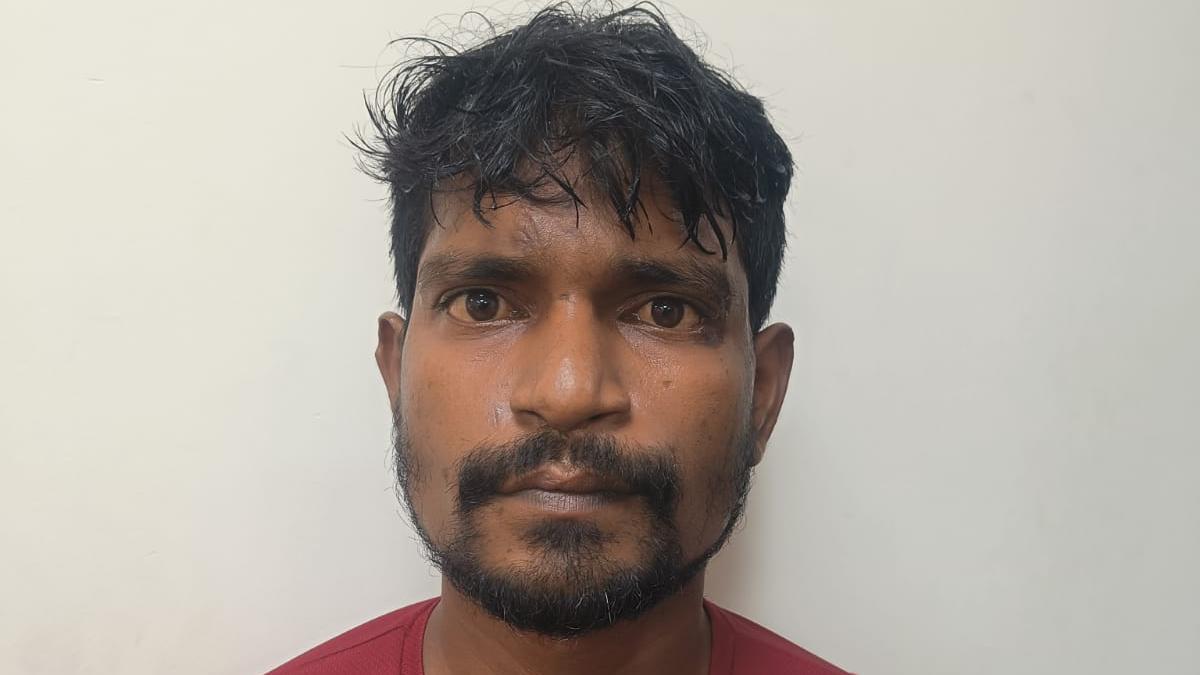
The CBI Court in Kurnool has convicted Mukundagiri Rangachari Srinivasan, the former officiating director of Kadapa airport, sentencing him to three years of rigorous imprisonment for accepting bribes.
Key Takeaways
- Former Airport Director Mukundagiri Rangachari Srinivasan sentenced to 3 years in jail.
- Bribe was demanded to clear pending bills and prevent blacklisting of a firm.
- CBI caught him red-handed while accepting the first installment of ₹25,000.
- A fine of ₹50,000 has also been imposed by the court.
In a significant crackdown on corruption, the Central Bureau of Investigation (CBI) Court in Kurnool, Andhra Pradesh, has convicted Mukundagiri Rangachari Srinivasan. Srinivasan, who served as the Assistant General Manager (Air Traffic Management) and Officiating Airport Director of the Kadapa airport, has been sentenced to three years of rigorous imprisonment and a fine of ₹50,000.
The legal proceedings stem from an incident in 2015 where Srinivasan allegedly abused his official position as a public servant. He was accused of demanding a bribe of ₹50,000 from a complainant to expedite the processing of pending bills and to ensure that the complainant's firm was not blacklisted.
Why This Matters
BozokMedia analysis shows that such convictions are critical in maintaining the integrity of public infrastructure management. When high-ranking officials manipulate administrative processes for personal gain, it undermines the entire regulatory framework and creates an uneven playing field for legitimate businesses.
Strict judicial consequences for public officials serve as a vital deterrent against systemic administrative corruption.
The CBI had registered the case on July 24, 2015, after laying a trap that caught the official accepting the first installment of ₹25,000. Following a detailed investigation, a chargesheet was filed in February 2016, eventually leading to this conviction after a thorough trial.
Historical Background
Corruption in aviation administration often involves complex layers of vendor management and service contracts. This case highlights how the misuse of discretionary powers—such as the power to blacklist firms or approve payments—can become a tool for extortion if not strictly monitored by oversight agencies like the CBI.
Frequently Asked Questions
1. What was the specific reason for the bribery demand?
The bribe was sought to clear pending bills and to prevent the blacklisting of a specific firm.
2. What is the total penalty imposed on the convict?
The convict has been sentenced to three years of rigorous imprisonment and a fine of ₹50,000.