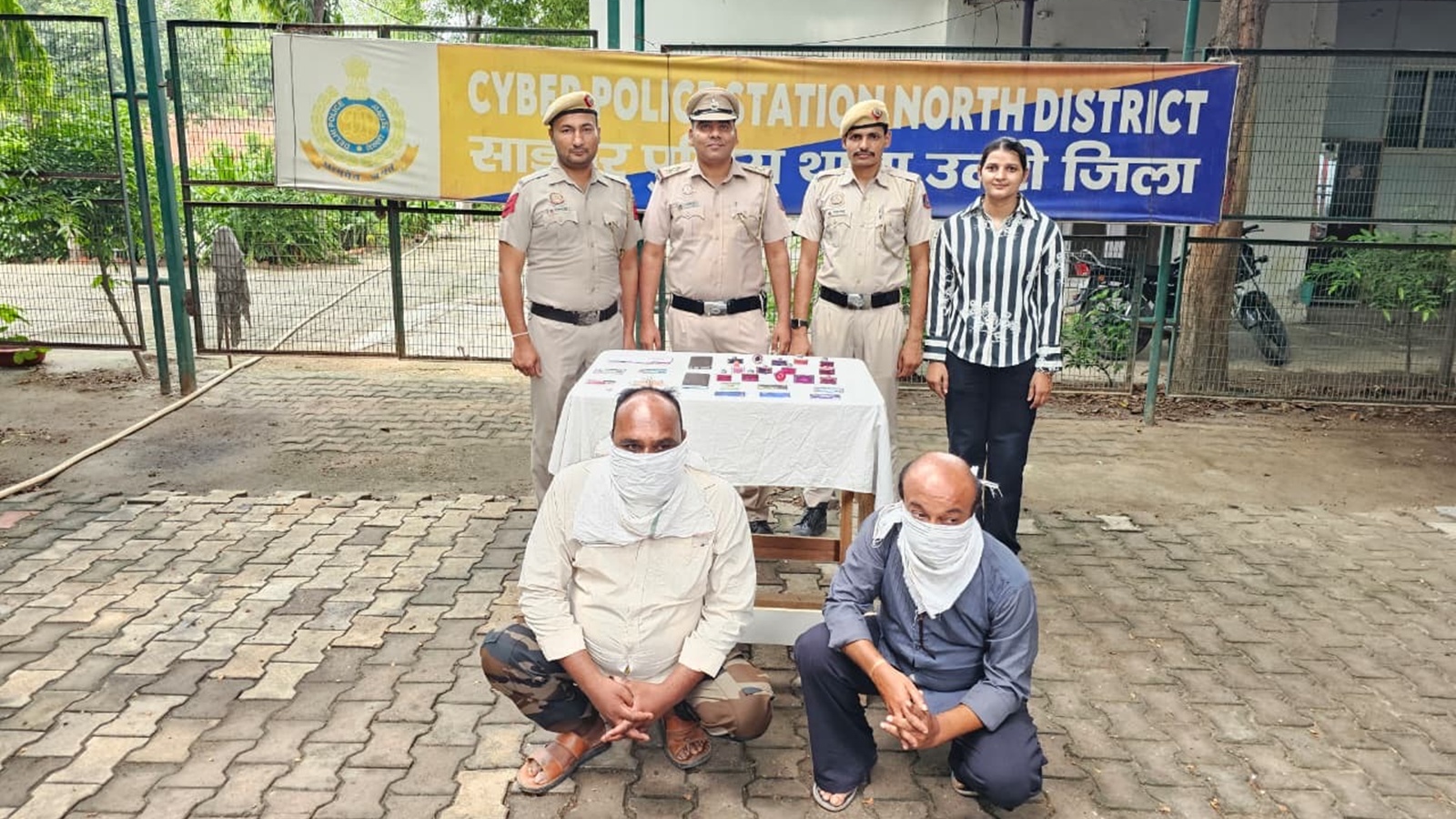
In a massive enforcement drive, the Hyderabad Food Adulteration Surveillance Team (H-FAST) seized over 25,300 kg of spices contaminated with fabric dyes, talcum powder, and industrial colors. Three individuals have been arrested in connection with this health hazard.
Key Takeaways
- H-FAST and GHMC seized over 25,300 kg of adulterated spices including Ajwain, Jeera, and Mustard.
- Adulterants used included fabric dyes, talcum powder, and synthetic industrial colors.
- Three suspects, including Rahul Bhati and Vishal Panwar, have been arrested.
- The operation targeted 13 business establishments involved in processing and wholesale trading.
In a major blow to the food adulteration mafia, the Hyderabad Food Adulteration Surveillance Team (H-FAST), in coordination with the GHMC Food Safety Team, conducted a massive raid resulting in the seizure of over 25,300 kg of adulterated spices. The seized items included essential kitchen staples like ajwain, jeera, mustard, and cloves, all tainted with harmful substances to enhance appearance and weight.
The Method of Adulteration
Investigations revealed a sophisticated and dangerous method of deception. At several manufacturing units, low-quality mustard stocks were mixed with fabric dyes, talcum powder, and oil to create a false sense of gloss and volume. Furthermore, premium spices like cloves and shajeera were coated in synthetic colors to make them look fresh and high-grade, deceiving unsuspecting consumers.
Why This Matters
BozokMedia analysis shows that this is not merely a case of commercial fraud but a direct assault on public health. The use of industrial-grade dyes and talcum powder in food products can lead to chronic health issues, including gastrointestinal disorders and long-term toxicity. This crackdown highlights the critical need for stringent monitoring of the spice supply chain.
The use of non-food grade dyes in spices poses a severe risk of heavy metal poisoning and systemic health failures.
Breakdown of Seized Spices
| Type of Spice | Quantity Seized (kg) |
|---|---|
| Ajwain | 7,920 kg |
| Jeera (Cumin) | 6,700 kg |
| Mustard | 4,960 kg |
| Jeera Dust | 2,350 kg |
| Shajeera | 2,280 kg |
| Cloves | 550 kg |
| Fennel Seeds | 540 kg |
During a press conference, Hyderabad Police Commissioner V.C. Sajjanar demonstrated the adulteration by placing spices in water, showing how the synthetic dyes instantly bled into the liquid. The police have registered three cases and arrested three individuals: Rahul Bhati, Vishal Panwar, and Dulichand Kachhawar.
Historical Background
Food adulteration has been a persistent challenge for regulatory bodies in India. While the Food Safety and Standards Act, 2006 provides a legal framework to combat this, the evolving nature of chemical adulterants requires continuous surveillance and rapid response from specialized task forces like H-FAST.
Frequently Asked Questions (FAQ)
1. How can I report suspected food adulteration in Hyderabad?
You can contact the H-FAST toll-free helpline at 8712661212 or reach out via their X handle @HFastHCP.
2. What are the signs of adulterated spices?
Spices that release intense, unnatural colors when mixed with water or those that appear unnaturally bright may be adulterated.