The Supreme Court has acquitted two government employees in a bribery case dating back to 1996, ruling that mere recovery of money without proof of demand is insufficient for conviction.
- Supreme Court acquitted two staffers in a 30-year-old case.
- The case originated in February 1996.
- Court ruled that 'demand' must be proven alongside 'recovery'.
In a landmark judgment that highlights both the complexities of anti-corruption laws and the staggering delays in the judicial process, the Supreme Court of India has acquitted two government employees involved in a bribery case from 1996.
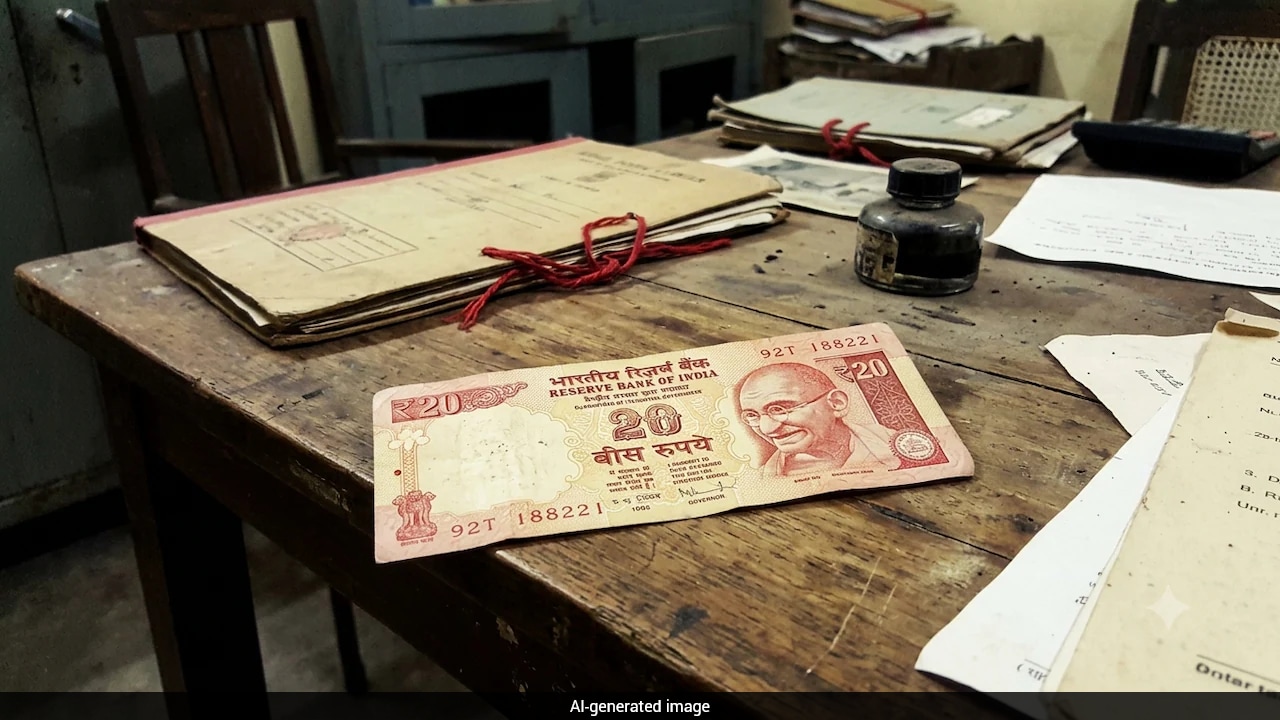
The legal saga, which spanned nearly three decades, centered around the alleged receipt of a mere Rs 20. While the prosecution focused on the physical recovery of the cash, the defense successfully argued that the essential element of a bribe—the demand—was never established.
Legal Nuances and Judicial Reasoning
The apex court emphasized a critical distinction in corruption jurisprudence. The bench stated that a conviction cannot be sustained solely on the basis of recovering money. For a charge under the Prevention of Corruption Act to hold, the prosecution must unequivocally prove that the accused had demanded the bribe.
The distinction between mere possession of money and the active demand for a bribe is the cornerstone of corruption litigation.
BozokMedia analysis shows that this verdict serves as a significant check against arbitrary prosecutions. It reinforces the principle that the burden of proof lies heavily on the prosecution to establish intent and solicitation, rather than relying on circumstantial recovery alone.
Historical Background
Dating back to February 1996, this case reflects an era where investigative techniques were heavily reliant on physical evidence and witness testimonies, often lacking the digital footprints and forensic rigor available in modern-day investigations. This led to protracted legal battles that lasted generations.
Why This Matters
This ruling is vital for protecting innocent individuals from being penalized due to procedural lapses or coincidental recoveries. It sets a high bar for investigative agencies, demanding more robust evidence-gathering protocols to prove the 'demand' aspect of bribery.
Frequently Asked Questions
Question 1: Why did the Supreme Court acquit the employees?
Answer: Because the prosecution failed to prove that the employees had actually demanded the bribe; recovery of money alone is not enough.
Question 2: How old was this case?
Answer: The case dates back to February 1996, making it a 30-year-old legal battle.