The Supreme Court has ruled that Bulk Waste Generators (BWGs) failing to adhere to Solid Waste Management Rules, 2026, may face temporary disconnection of essential services like electricity and water.
- Non-compliance with Solid Waste Management Rules can lead to temporary disconnection of water and electricity.
- District Collectors must identify all Bulk Waste Generators (BWGs) within six weeks.
- Students will be integrated into the waste management ecosystem as household-level supervisors.
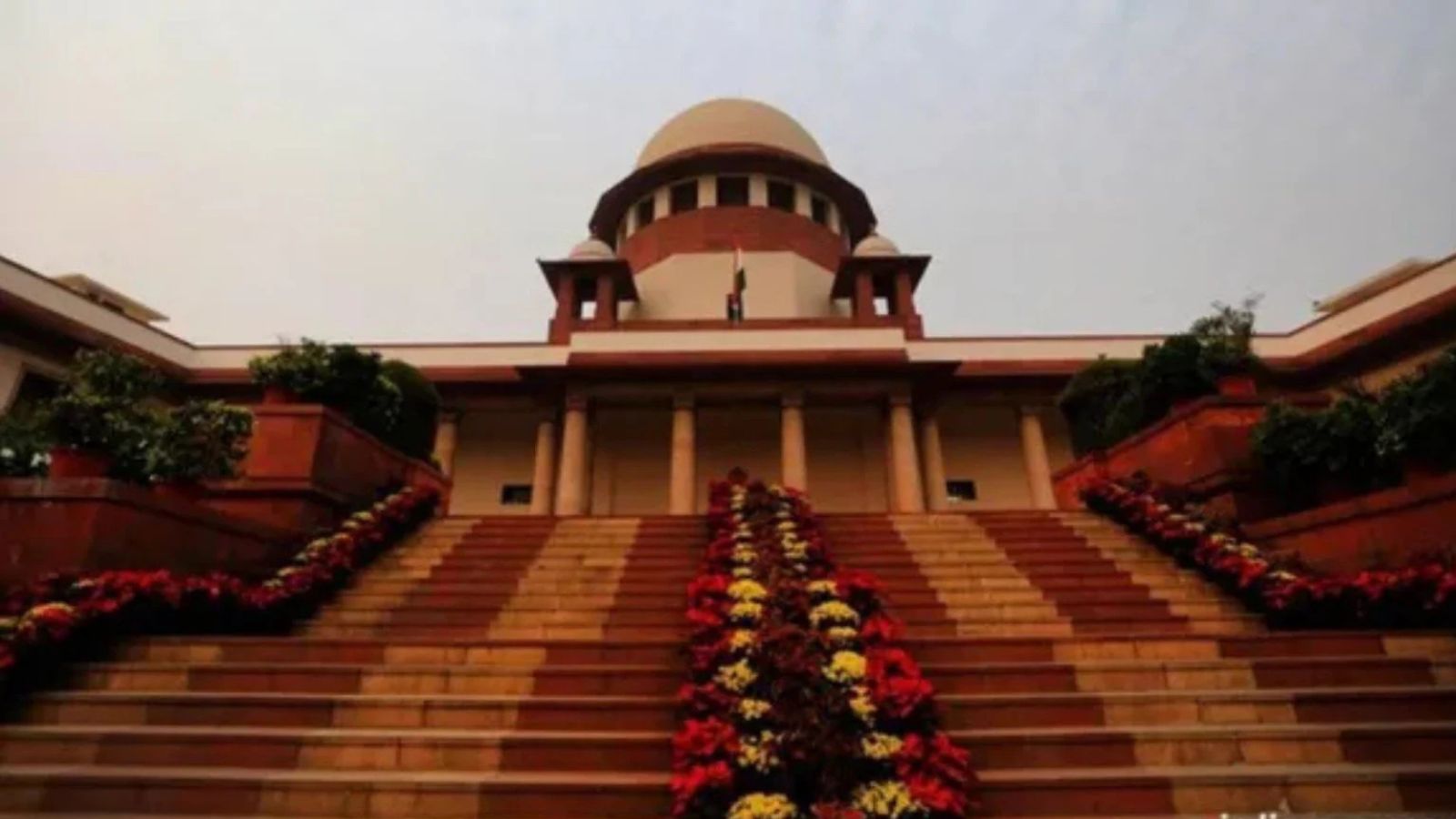
New Delhi: In a stringent move to enforce environmental discipline, the Supreme Court of India has directed that Bulk Waste Generators (BWGs) failing to comply with the Solid Waste Management Rules, 2026, could face the temporary disconnection of their power and water supplies. The bench, comprising Justices S. V. N. Bhatti and N. V. Anjaria, emphasized that compliance is non-negotiable for urban sustainability.
Enforcement and Identification
The Court has mandated that District Collectors, in coordination with local bodies, must identify all BWGs within their respective jurisdictions within a period of six weeks. Local authorities are required to issue written communications to these generators, detailing their obligations regarding the segregation, storage, and handover of solid waste.
The court clarified that the disconnection of essential services would be ordered by the District Collector’s Special Cell and can only be restored upon the submission of a valid compliance certificate by the defaulting BWG. This mechanism aims to ensure that large-scale waste producers take their environmental responsibilities seriously.
Why This Matters
BozokMedia analysis shows that this judicial intervention addresses the systemic failure in urban waste processing. By linking essential utilities to environmental compliance, the court is creating a direct economic and operational incentive for institutions to manage waste responsibly, potentially reducing the massive burden on municipal landfills.
'The integration of utility services with environmental compliance marks a paradigm shift from voluntary participation to mandatory civic duty.'
Furthermore, the Supreme Court-empowered Monitoring Committee (SCMC) has been tasked with investigating the impact of municipal solid waste on river pollution, with a directive to present comprehensive data to the court for further action.
The Role of Youth in Environmental Reform
In a unique sociological approach, the Supreme Court has called for the involvement of students in the waste management movement. The court observed that "an educated child is the most effective and least coercive instrument for educating a parent or a relative." Consequently, the Department of School and Higher Education has been directed to integrate both theoretical and practical knowledge of waste management into the curriculum.
Trained students are expected to act as household-level supervisors, ensuring that the principles of waste segregation are implemented at the grassroots level. This strategy aims to turn environmental education into a practical, family-oriented habit.
Frequently Asked Questions
1. What happens if a business fails to segregate waste?
Under the new rules, the District Collector can order the temporary disconnection of their electricity and water supply until they prove compliance.
2. How will students contribute to this mission?
Students will be trained to supervise waste management at their homes, acting as catalysts for change within their families and communities.