An investigation reveals that Noida factory workers spent an average of 53 days in custody following wage protests. Courts have stepped in, granting bail in 84% of cases due to lack of specific evidence.
- Noida factory workers faced an average of 53 days in jail following wage-related protests in April.
- Courts granted bail in 84% of cases, criticizing the police for treating entire crowds as accused.
- The investigation highlighted a lack of specific evidence, such as CCTV footage, to support violent charges.
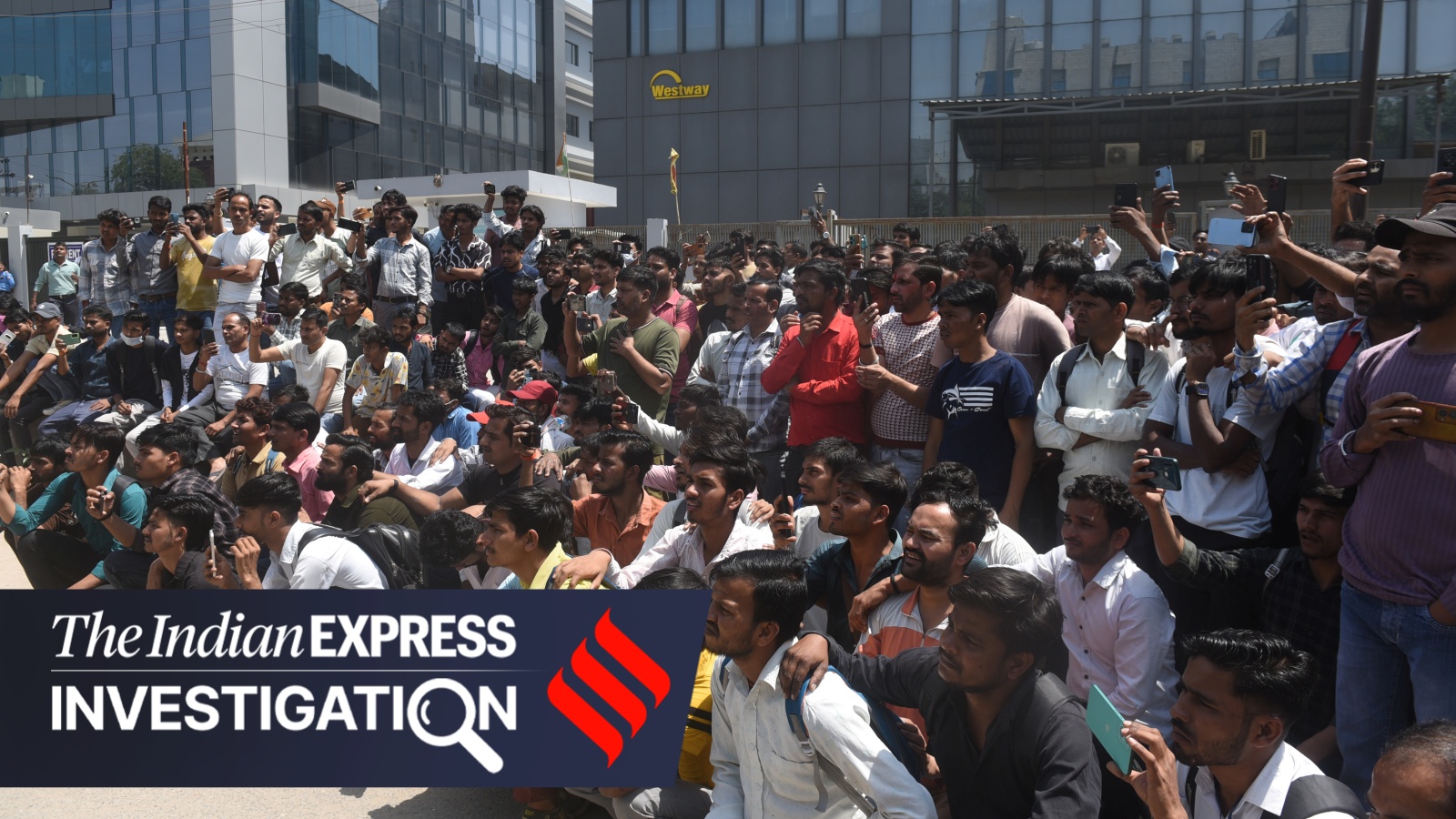
The industrial belt of Noida has become the center of a significant legal debate following a massive police crackdown on factory workers. In April, workers staged week-long protests demanding higher wages, which resulted in the arrest of nearly 200 individuals. An investigation into 106 arrests with substantive allegations—including rioting and attempted murder—revealed that protesters spent an average of 53 days in custody.
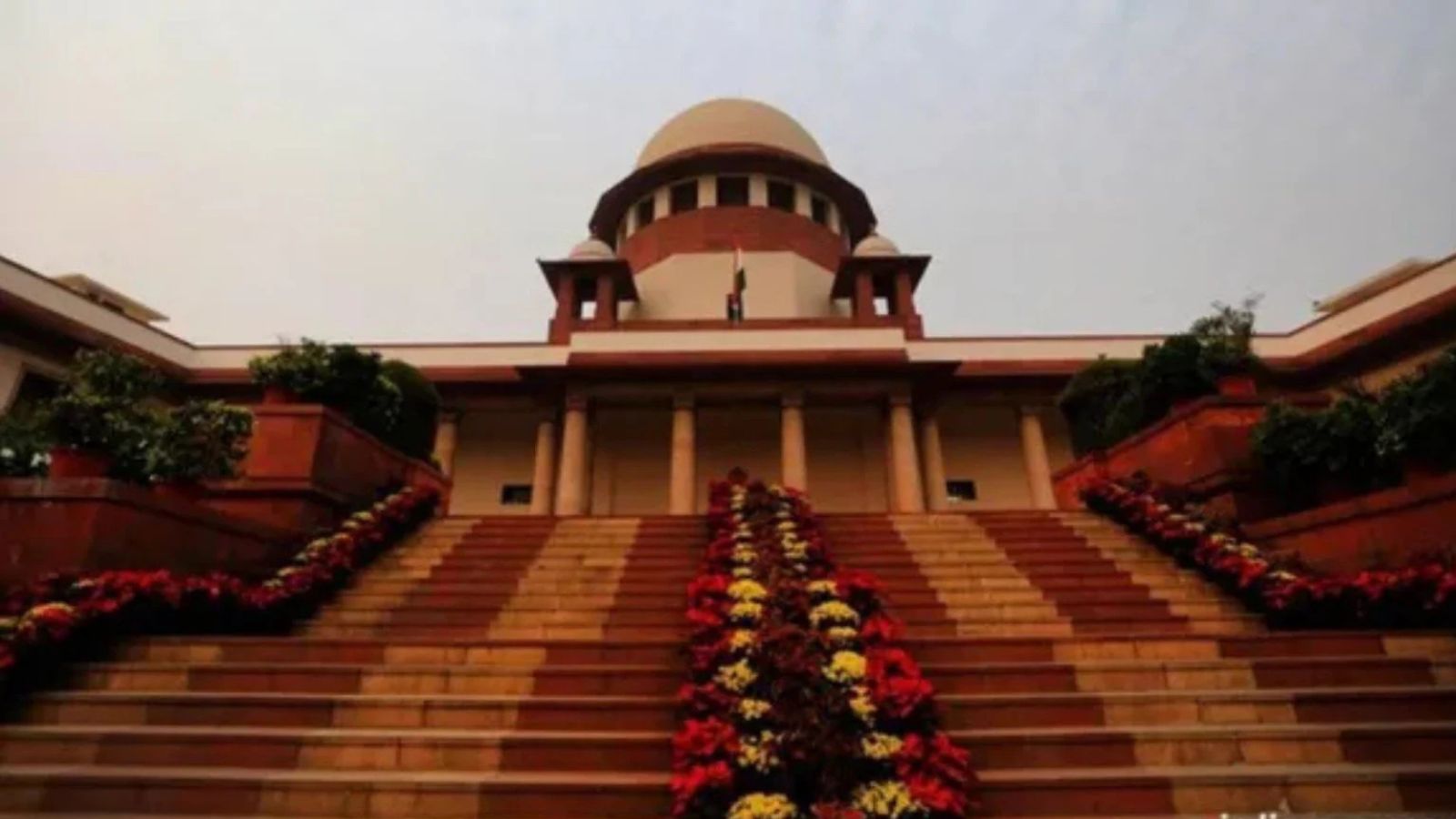
While the police invoked stringent measures, including the National Security Act (NSA), the judiciary has played a pivotal role in providing relief. Out of 222 bail orders analyzed from sessions courts and the Allahabad High Court, relief was granted in 188 instances, or 84 per cent. The common thread in these judicial interventions was the failure of the prosecution to establish individual culpability.
Why This Matters
BozokMedia analysis shows that this case highlights a systemic issue where collective protest is often criminalized through mass arrests. When law enforcement fails to distinguish between peaceful protesters and violent instigators, it undermines the fundamental right to dissent and creates a climate of fear in industrial sectors.
'Mere presence at a protest is not sufficient evidence to deny bail; specific individual roles must be established.'
The courts identified three critical gaps in the police investigations. First, being part of a crowd does not automatically imply criminal intent. Second, there was a significant lack of electronic or visual evidence, such as CCTV footage, to back claims of vandalism or stone-pelting. Third, the courts emphasized that ordinary workers cannot be equated with those who orchestrate or instigate violence.
| FIR Case No. | Police Allegation | Court's Decision/Reasoning |
|---|---|---|
| FIR 149/2026 | Rioting and assault with deadly weapons | Bail granted; mere presence in a crowd does not prove intent. |
| FIR 151/2026 | Vandalism and stone-pelting | Bail granted; no CCTV footage captured the accused in violent acts. |
| FIR 163/2026 | Conspiracy to stage violent agitation | Bail denied; evidence suggested organized mobilization. |
The disparity between the Jantar Mantar protests, which ended with political assurances, and the Noida protests, which led to mass incarcerations, underscores the uneven application of law enforcement during public agitations. As industrial unrest simmers, the role of the judiciary remains the final bulwark against arbitrary detention.
Frequently Asked Questions
1. Why did the courts grant so much bail to the protesters?
The courts found that the police were treating the entire crowd as a single accused entity without proving what each specific individual did.
2. What were the main charges against the workers?
Charges ranged from rioting and criminal trespass to arson and attempted murder.