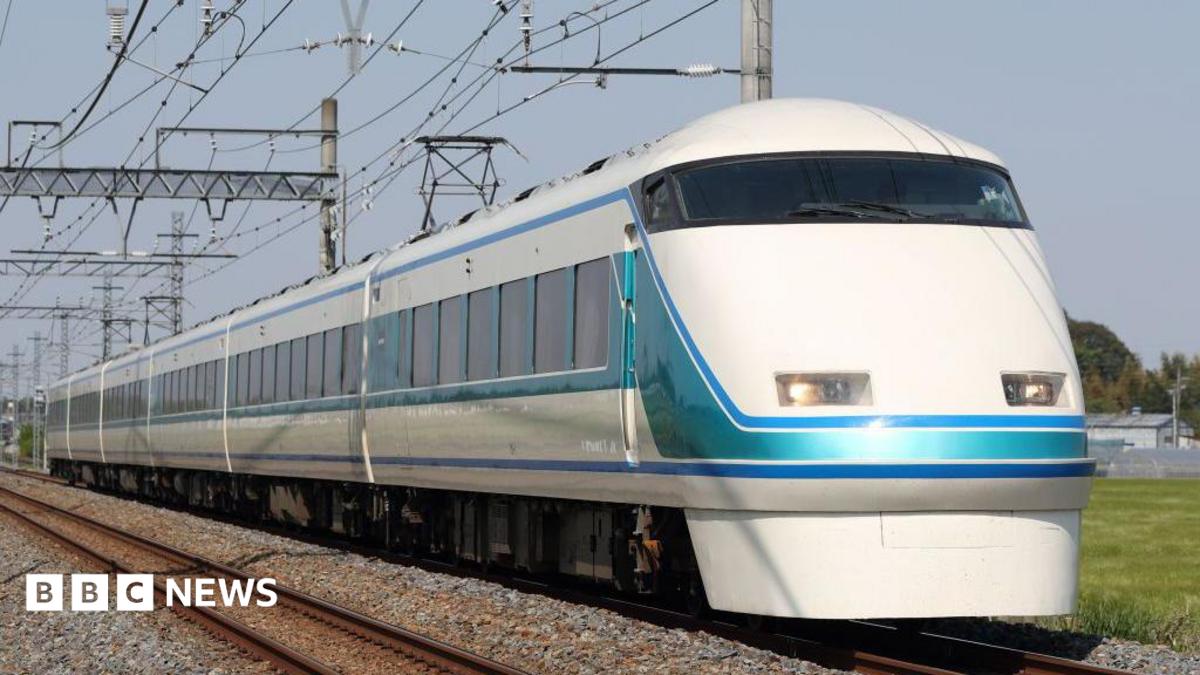
Four railway workers tragically lost their lives after being struck by a limited express train at Shin-Kanuma Station, north of Tokyo. The incident occurred while the workers were performing track maintenance, raising serious questions about safety protocols in Japan's renowned railway system.
- Four railway workers were killed in a train collision at Shin-Kanuma Station, Japan.
- The workers were engaged in weed removal on the tracks during the morning.
- Train service on the Tobu Nikko Line has been suspended following the incident.
TOKYO, Japan – A devastating accident at Shin-Kanuma Station, north of Tokyo, resulted in the deaths of four railway workers on Thursday morning. Authorities reported that the tragic incident occurred around 10:46 local time (01:46 GMT) when the workers, engaged in removing weeds from the train tracks, were struck by a limited express train.
According to local media reports, emergency services arriving at the scene found three workers trapped beneath the train, while one was on the platform. All four workers were pronounced dead. This incident casts a somber shadow on Japan's typically impeccable record of railway safety.
Historical Background
Japan boasts one of the world's most advanced and reliable railway networks, renowned for its exceptional punctuality and safety. The Shinkansen (bullet train) system, a hallmark of its engineering prowess, has operated for decades without a single fatal accident. Even on conventional lines, safety protocols are notoriously stringent. Employees are often stationed nearby to warn trackside workers of approaching trains, but the situation regarding such a warning system at the time of Thursday's accident remains unclear, as reported by the Asahi Shimbun newspaper.
The train involved in the collision was identified as a limited express train, which is considered the second-fastest type of train in Japan, after the Shinkansen. The Tobu Railway Company, which operates the Tobu Nikko Line, immediately suspended train services on the line due to the accident, causing significant disruption to commuters.
A passenger on the train told Japanese public broadcaster NHK that they heard a "strange noise" before the train made an emergency stop. The passenger recounted being stuck on the train for a while as staff announced they were investigating the noise. This incident has ignited critical questions regarding railway safety procedures and the measures in place to protect workers performing maintenance on active tracks.
Why This Matters
BozokMedia analysis shows that fatal train accidents are exceptionally rare in Japan, making this incident a critical case study for examining adherence to the nation's highly stringent railway safety protocols and the omnipresent challenges of trackside worker safety. This tragedy underscores the paramount importance of industrial safety, particularly in high-risk environments, and highlights why rigorous compliance with safety measures must be unwavering. Its implications will not only affect Tobu Railway but could prompt a re-evaluation of safety standards across the broader Japanese railway industry.
"In railway safety, rigorous adherence to protocols designed to prevent both human error and technical failure is paramount. This incident serves as a tragic reminder that any lapse in vigilance can have catastrophic consequences."
Frequently Asked Questions
- Q: Why are train accidents considered rare in Japan?
- Q: What potential changes might arise in railway safety protocols following this incident?