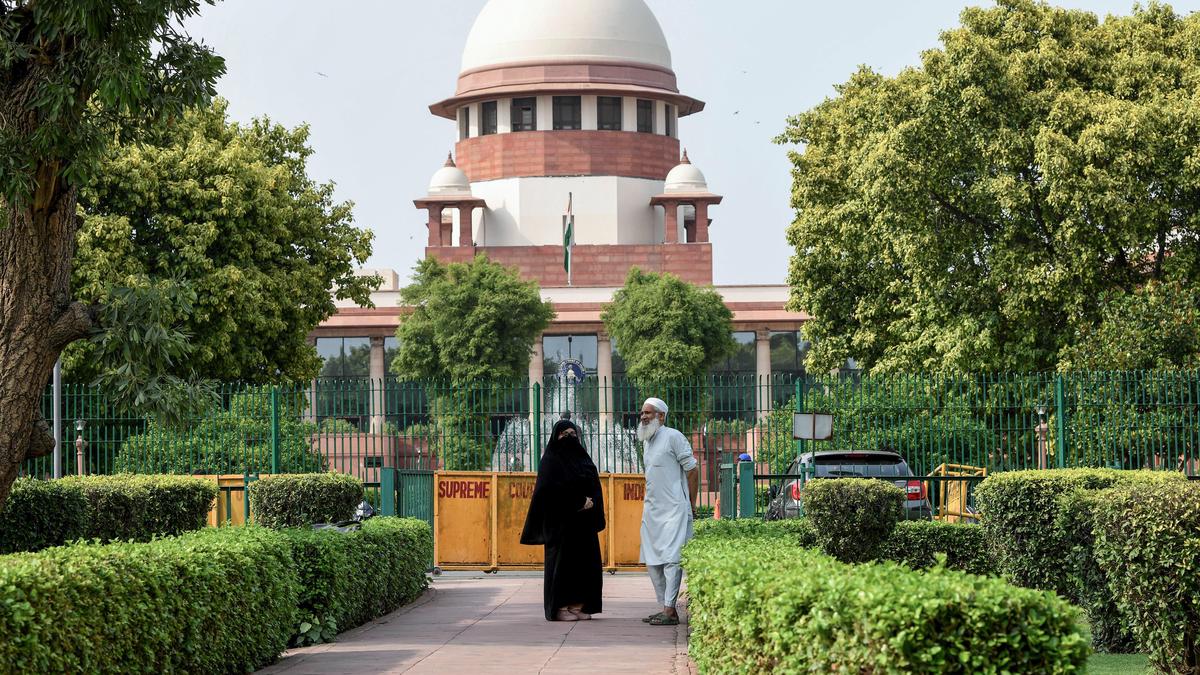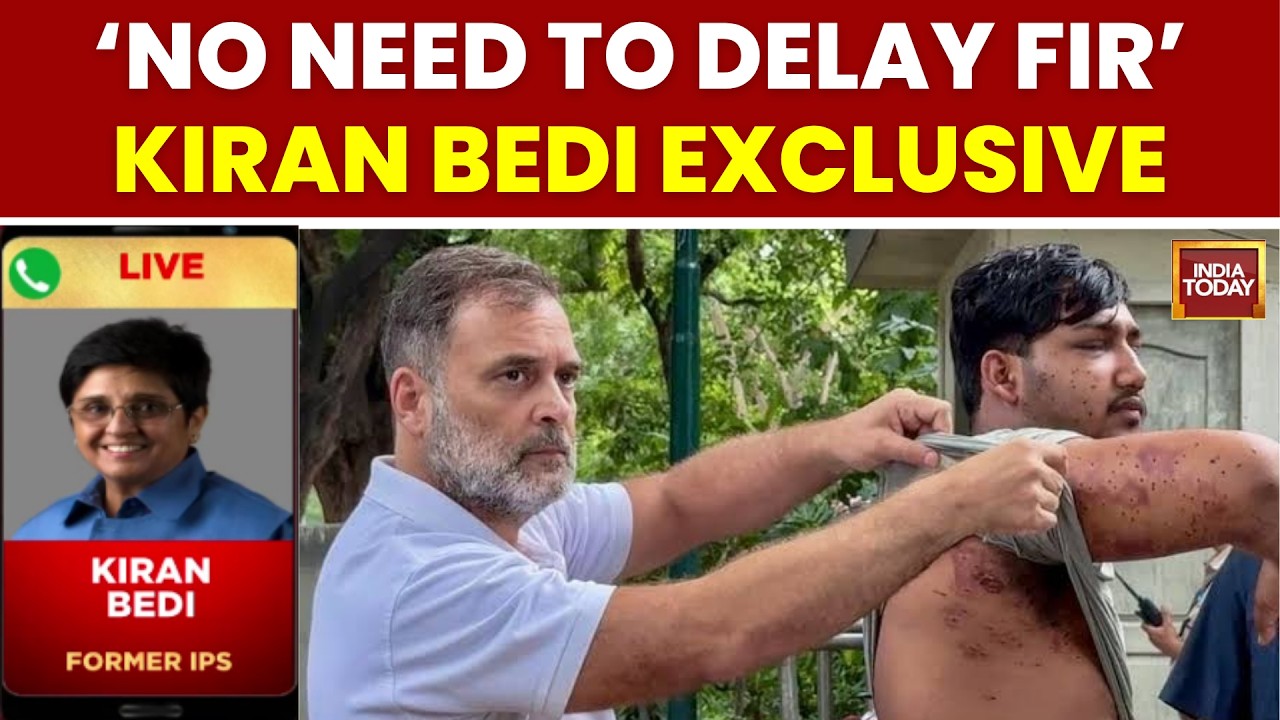
The Supreme Court has established a five-member high-powered committee to investigate allegations of excessive force and pellet gun injuries during recent protests. This move comes amidst intensifying demands from protesters for immediate registration of First Information Reports (FIRs) against the Delhi Police, who maintain their actions were proportionate and lawful in controlling crowds near Parliament.
- Supreme Court forms 5-member committee to probe allegations of police force.
- Committee to investigate claims of excessive force and pellet gun usage.
- Protesters are demanding immediate FIR registration against Delhi Police.
- Delhi Police asserts force was used proportionately and lawfully.
- The committee will prioritize cases involving female protesters and injured individuals.
The Supreme Court has ordered the formation of a five-member high-powered committee to investigate allegations of excessive force and pellet gun injuries during recent protests. This significant development follows intensifying demands for the immediate registration of a formal police complaint, particularly from protesters who allege disproportionate measures by the Delhi Police near Parliament. While the Delhi Police maintains that force was used in a graded, proportionate, and lawful manner to control crowd violence, protesters continue to press for accountability.
Comprising legal and law enforcement experts, the newly constituted committee is tasked with a thorough examination of all claims related to the extent and nature of force employed. A key directive for the committee is to prioritize cases involving female protesters and injured individuals, underscoring the sensitive aspects of the ongoing inquiry. This judicial intervention is a crucial step towards balancing the imperative of maintaining law and order with the protection of citizens' fundamental right to protest.
Protesters have vehemently alleged that the police resorted to lathi charge and pellet gun firing, among other disproportionate measures, leading to numerous injuries. Despite statements from the Delhi Police that multiple cases have been transferred to specialized branches for further investigation, sit-in demonstrations persist outside police premises. These ongoing protests highlight the public's insistence on an immediate First Information Report (FIR) under the law, suggesting a lack of trust in internal police inquiries alone.
Conversely, the Delhi Police has consistently defended its actions, asserting that the force used was necessary and within legal bounds to disperse violent crowds and prevent further damage to public property. Police officials contend that the protests had turned unruly, necessitating a measured response to restore order. They maintain that all actions taken adhered to established protocols and legal guidelines.
Historical Background
The debate surrounding the use of police force during protests has a long history in India. Past incidents have frequently led to allegations of excessive force, raising questions about human rights and police accountability. Such events have often prompted judicial intervention and calls for police reforms. The Supreme Court's latest committee is crucial in examining these specific allegations and potentially setting a precedent for future guidelines on the use of force, thereby aiming to restore public trust in law enforcement and uphold civil liberties.
Why This Matters
This case underscores the delicate balance between maintaining law and order and upholding citizens' constitutional right to protest in a democratic society. The Supreme Court's intervention is vital to ensure a fair and transparent investigation into all allegations of force. BozokMedia analysis shows that the committee's findings will have far-reaching implications for future protest management and police conduct, potentially strengthening public trust in democratic processes. It represents a critical test of the nation's commitment to the rule of law and the protection of human rights.
Experts state that judicial oversight is paramount for police accountability, ensuring that state powers are exercised justly and proportionately.
Frequently Asked Questions
- What is the primary role of the Supreme Court's committee?
- Why are protesters demanding an FIR despite the ongoing inquiry?