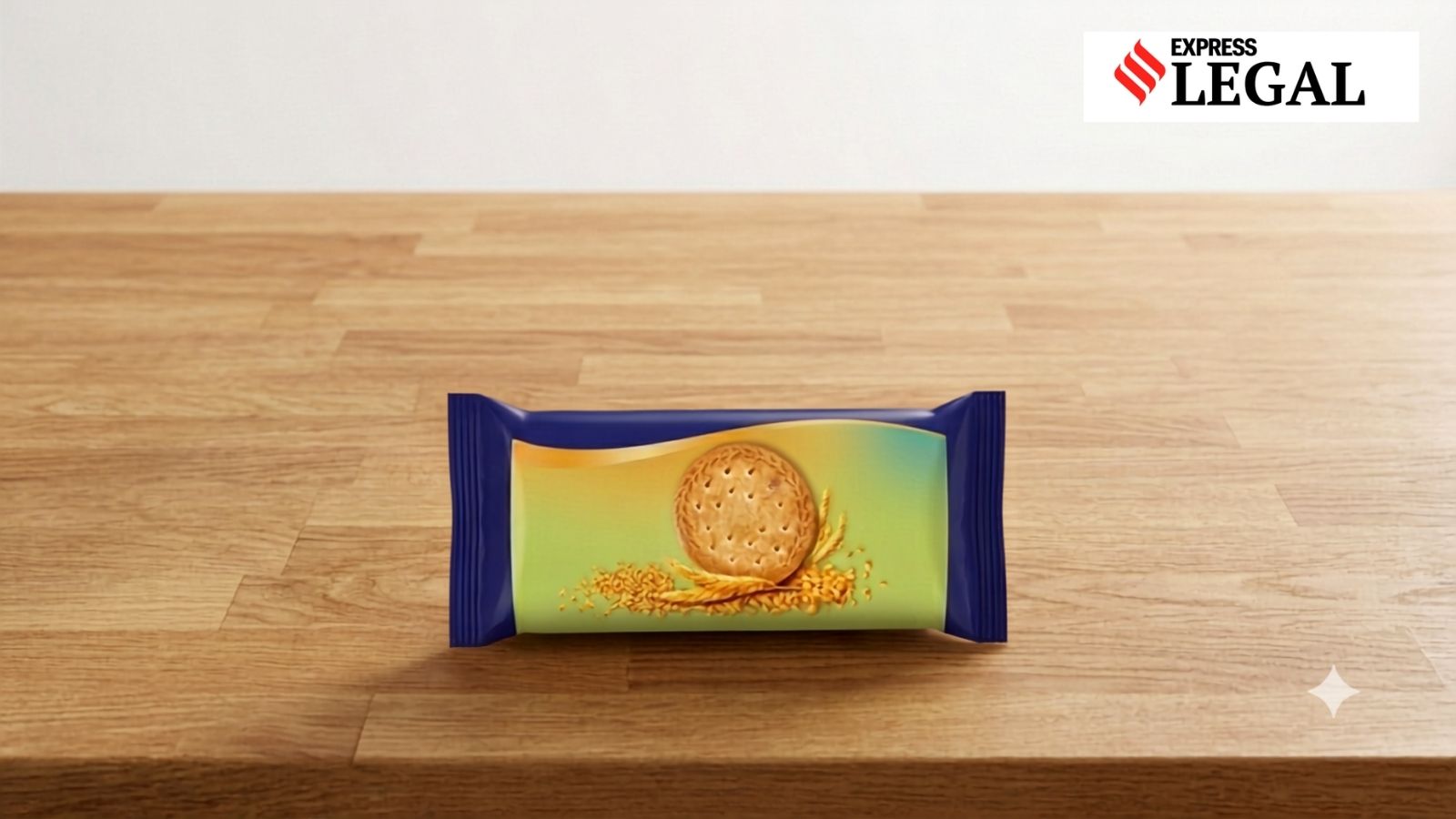
The Central Consumer Protection Authority (CCPA) has imposed a Rs 1 lakh penalty on a biscuit company for deceptive labeling. Despite branding the product as 'whole wheat,' it contained a majority of refined flour (maida).
- Company marketed biscuits as 'whole wheat' despite containing only 19.5% whole wheat.
- Refined flour (maida) constituted 52% of the product composition.
- CCPA ruled that inconspicuous disclaimers cannot override prominent misleading claims.
New Delhi: In a significant crackdown on deceptive marketing, the Central Consumer Protection Authority (CCPA) has fined a biscuit manufacturer Rs 1 lakh for misleading advertisements and unfair trade practices. The authority found that the company's 'whole wheat' claims were vastly disproportionate to the actual ingredients listed on the packaging.
Chief Commissioner Nidhi Khare and Commissioner Anupam Mishra emphasized that the determination of whether a representation is misleading depends on the overall impression created by the packaging. The authority noted that a consumer cannot be expected to ignore a bold, prominent claim on the front of a pack simply because a disclaimer is printed in a barely noticeable font size in a corner.
Origin of the Investigation
The case was triggered after the CCPA took suo moto cognisance of a news report featuring a social media influencer. The video raised alarms over food products claiming to be 'healthy,' 'natural,' or 'organic' while their ingredient lists told a different story. This was particularly concerning for rural consumers who may lack access to such digital awareness and rely solely on packaging claims.
Why This Matters
BozokMedia analysis shows that this ruling targets 'Dark Patterns' in physical product packaging. By using visual cues (like wheat images) and bold text to steer consumer choice while hiding the truth in fine print, companies engage in 'interface interference.' This judgment reinforces that transparency in food labeling is a non-negotiable consumer right in India.
"The test is not the intention of the manufacturer, but the understanding of an average consumer who views 'whole wheat' as the primary composition."
The company attempted to defend itself by claiming that 'whole wheat' was a registered trademark and not a factual claim about the entire composition. They argued that it was used to differentiate the product from regular Marie biscuits. However, the CCPA rejected this, stating that in regulatory scrutiny, 'whole wheat' implies total composition, not selective exclusivity of a single ingredient.
| Claimed Attribute | Actual Ingredient Percentage |
|---|---|
| Whole Wheat | 19.5% |
| Refined Flour (Maida) | 52% |
Frequently Asked Questions
Q1: Why did the CCPA fine the biscuit company?
A: The company used prominent 'whole wheat' labeling while the product actually contained 52% refined flour, which constitutes a misleading advertisement.
Q2: Can a company avoid penalties by adding a disclaimer?
A: Not if the disclaimer is inconspicuous. The CCPA ruled that disclaimers in tiny fonts cannot override a prominent, misleading primary label.