The Armed Forces Tribunal has ordered the Indian Army to reinstate an Agniveer who was discharged for suppressing information about a criminal case from his time as a minor. The tribunal ruled that the discharge was legally unsustainable given prior High Court protections.
- The Armed Forces Tribunal (AFT) quashed the discharge of ex-Agniveer Anas Chauhan.
- The Army had dismissed him for non-disclosure of an FIR registered while he was a minor.
- The AFT ruled that High Court protections for juveniles are binding and cannot be ignored by military authorities.
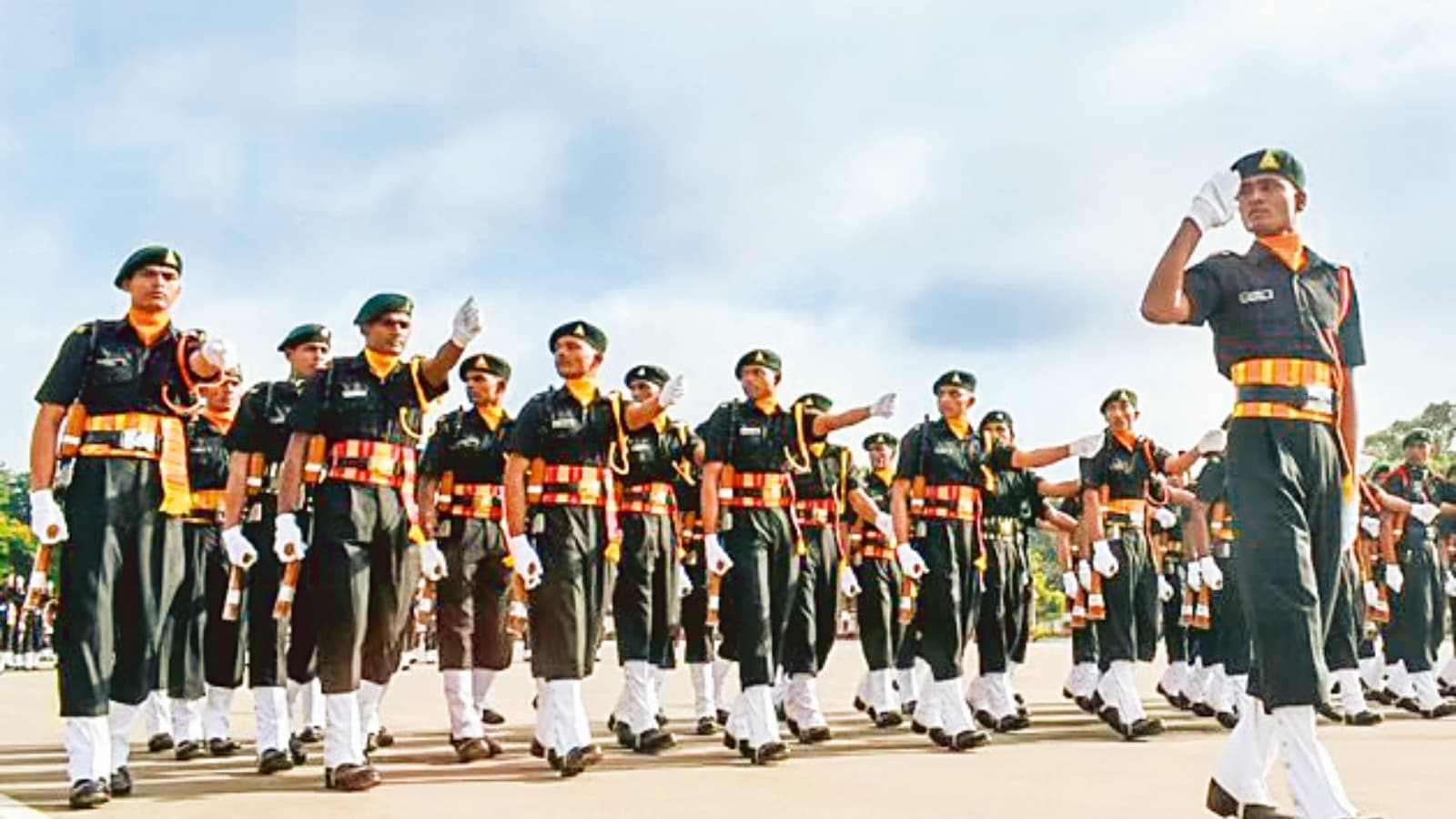
In a significant legal victory for a young recruit, the Armed Forces Tribunal (AFT) has set aside the Indian Army's decision to discharge an Agniveer, ordering his immediate reinstatement with all consequential benefits. The ruling emphasizes that recruits cannot be penalized for failing to disclose legal issues that occurred during their minority, especially when protected by judicial orders.
The case centered on Anas Chauhan, who was selected as an Agniveer during the 2024–25 recruitment cycle. However, during the police verification process, an adverse report surfaced regarding an FIR registered in Meerut on October 3, 2020. The FIR involved a village quarrel where Chauhan was one of 16 named individuals. Consequently, the Army discharged him on January 20, 2026, under Rule 13(3) of the Army Rules, 1954, citing the suppression of critical information in his enrolment form.
Why This Matters
BozokMedia analysis shows that this judgment sets a crucial precedent for the Agnipath scheme's recruitment transparency and the legal rights of juveniles. It highlights a friction point between rigid military disciplinary rules and the protective nature of the Juvenile Justice (Care and Protection of Children) Act, 2000. By ruling in favor of the recruit, the AFT has signaled that military administrative actions must align with superior court directives and statutory protections for minors.
Chauhan's legal team presented a pivotal order from the Allahabad High Court dated April 10, 2025. The court had explicitly directed that the pending matter should not be treated as a disqualification for his selection in the Agniveer process. The AFT observed that the Army, instead of proceeding with the discharge, should have sought a modification of the High Court's order if they felt the 'suppression of information' was a separate offense.
"The protection granted to a minor under the law is absolute; treating a juvenile record as a character flaw for military service is a legal fallacy."
The Tribunal further reinforced its decision by citing various rulings from the Supreme Court and the Delhi High Court, asserting that involvement in criminal activities as a minor should not hinder employment opportunities in adulthood. The court termed the Army's action as "unsustainable in law" because the applicant stood protected by the judiciary.
Frequently Asked Questions
Q1: Why was the Agniveer initially discharged?
He was discharged because the Army alleged he suppressed information regarding a criminal FIR in his enrolment form.
Q2: What was the basis of the AFT's decision to reinstate him?
The AFT relied on an Allahabad High Court order and the Juvenile Justice Act, stating that a minor's legal history cannot be used to disqualify them from service.