A CID probe in Karnataka uncovered that candidates paid between ₹40‑80 lakh to obtain leaked question papers for the KPSC vet officer exam, with papers delivered at resorts. Senior KPSC officials and middlemen were implicated in the scheme.
- CID traced a surge of internet calls among candidates, middlemen, and officials on the exam days.
- Applicants allegedly paid ₹40‑80 lakh for advance access to the question paper.
- Leaked papers were distributed at resorts where candidates received OMR‑sheet training.
Deep Dive into the CID Investigation
The Criminal Investigation Department (CID) of Karnataka Police discovered that for 400 veterinary officer vacancies, a network of candidates, brokers, and Karnataka Public Service Commission (KPSC) officials exchanged massive amounts of data on January 8‑9, the exam dates. Internet Protocol Detail Records (IPDR) confirmed the communication spikes.
Key Players and Their Roles
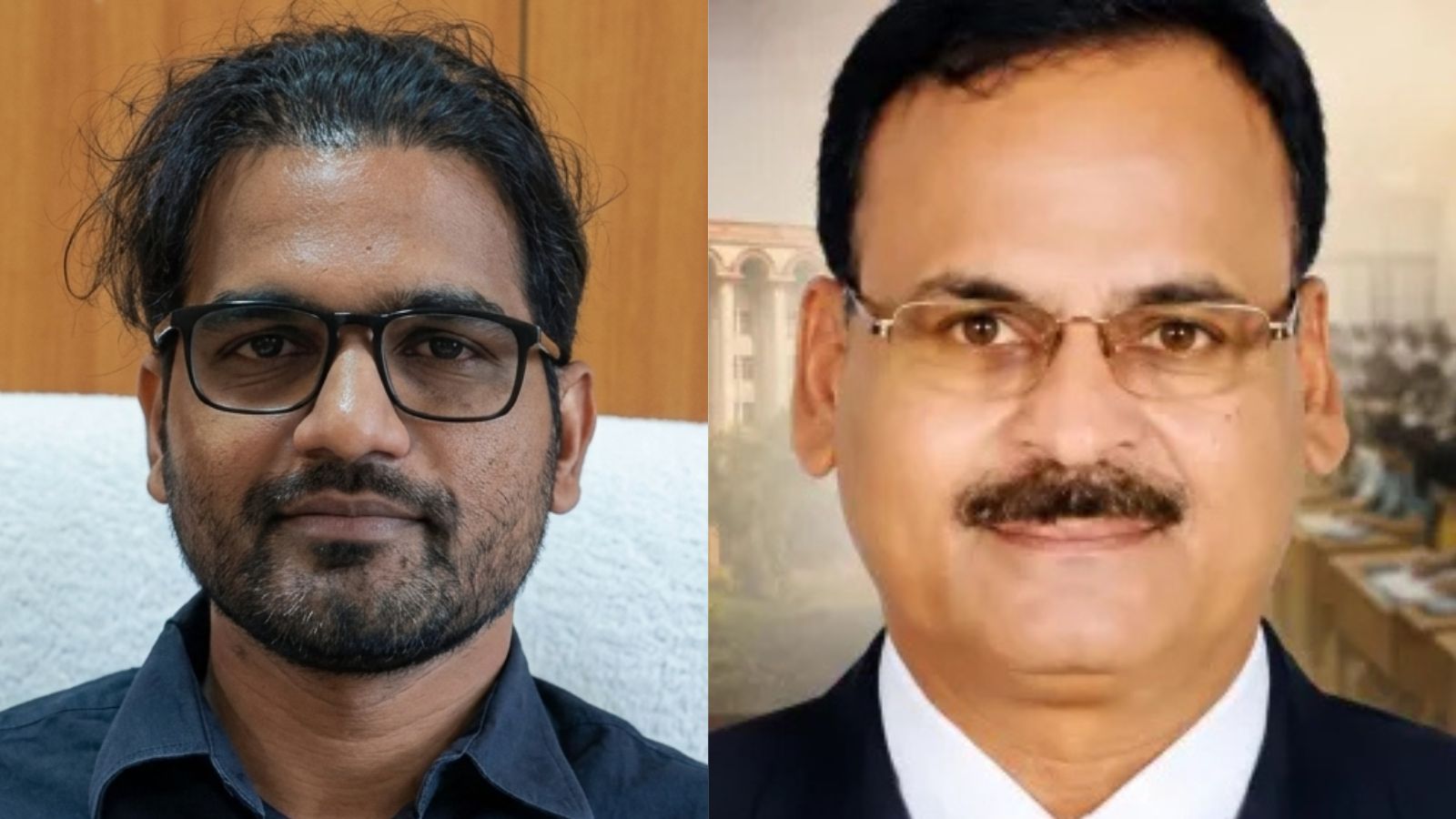
The probe identified IAS officer Gyanendra Kumar Gangwar, the exam controller, as the official who finalized the question paper and handed it over to middleman Basavaraj Kannale, a businessman with BJP links from Bidar. Kannale then sold the paper to aspirants for ₹40‑80 lakh each.
Resort‑Based Distribution and Training
Candidates were housed at a resort near Devanahalli on the outskirts of Bengaluru. There they received the leaked questions and were coached on how to fill the OMR answer sheets before being dropped off at exam centres on the day of the test.
Political Connections Under Scrutiny
Suspended KPSC chairman Sahukar S Shivashankarappa is alleged to have benefited indirectly; his relative scored 456.75 marks and is believed to be one of the 29 beneficiaries of the leaked paper. CID also recorded multiple internet calls between Gangwar and Shivashankarappa on the exam days.
Financial Trail and Forensic Analysis
Investigators are tracking payments through several co‑operative banks in Bidar, where Kannale is suspected to have funneled the bribe money. The CID awaits forensic reports on 758 OMR sheets (329 originals and 329 candidate copies) to determine whether additional cheating methods were employed.
Why This Matters
BozokMedia analysis shows that such large‑scale exam fraud undermines public trust in merit‑based recruitment and could set a dangerous precedent for other state examinations across India.
"A lack of transparency in examination processes creates fertile ground for corruption of this magnitude," said a governance expert.
Frequently Asked Questions
Question 1: Were all 400 veterinary officer posts affected by the scam?
Answer: The investigation is ongoing; however, multiple candidates have been identified as having received the leaked paper.
Question 2: Who has been arrested or suspended in connection with the case?
Answer: IAS officer Gyanendra Kumar Gangwar, businessman Basavaraj Kannale, and the suspended KPSC chairman Sahukar S Shivashankarappa’s relative are among those detained.