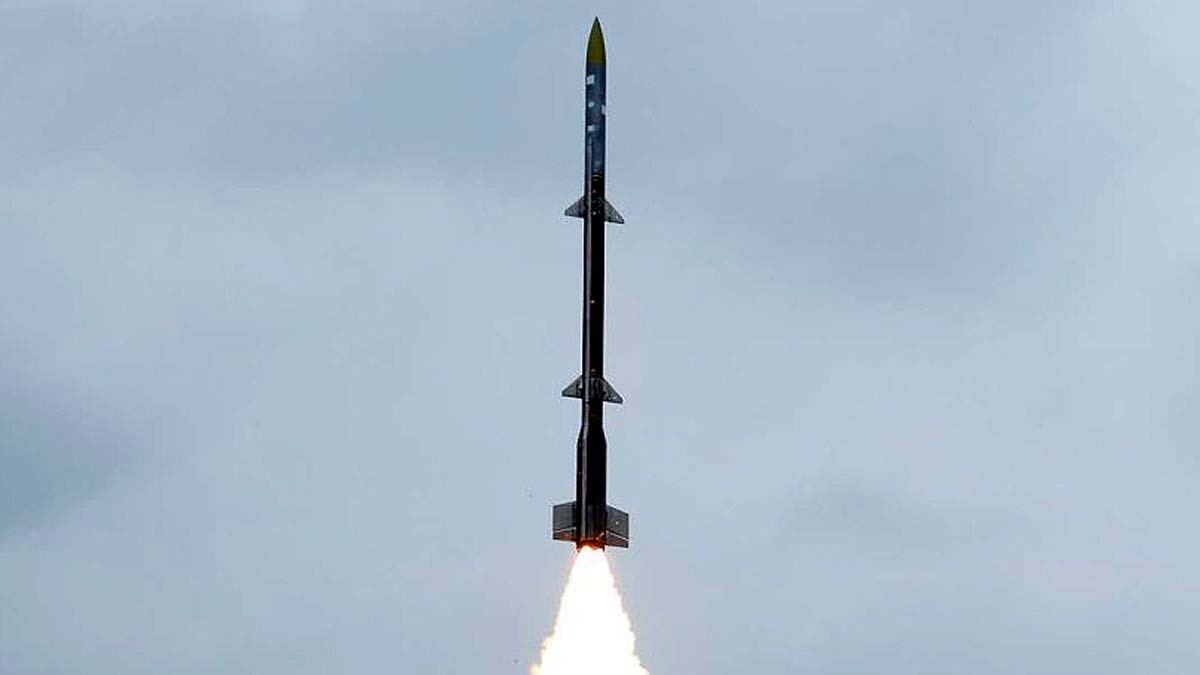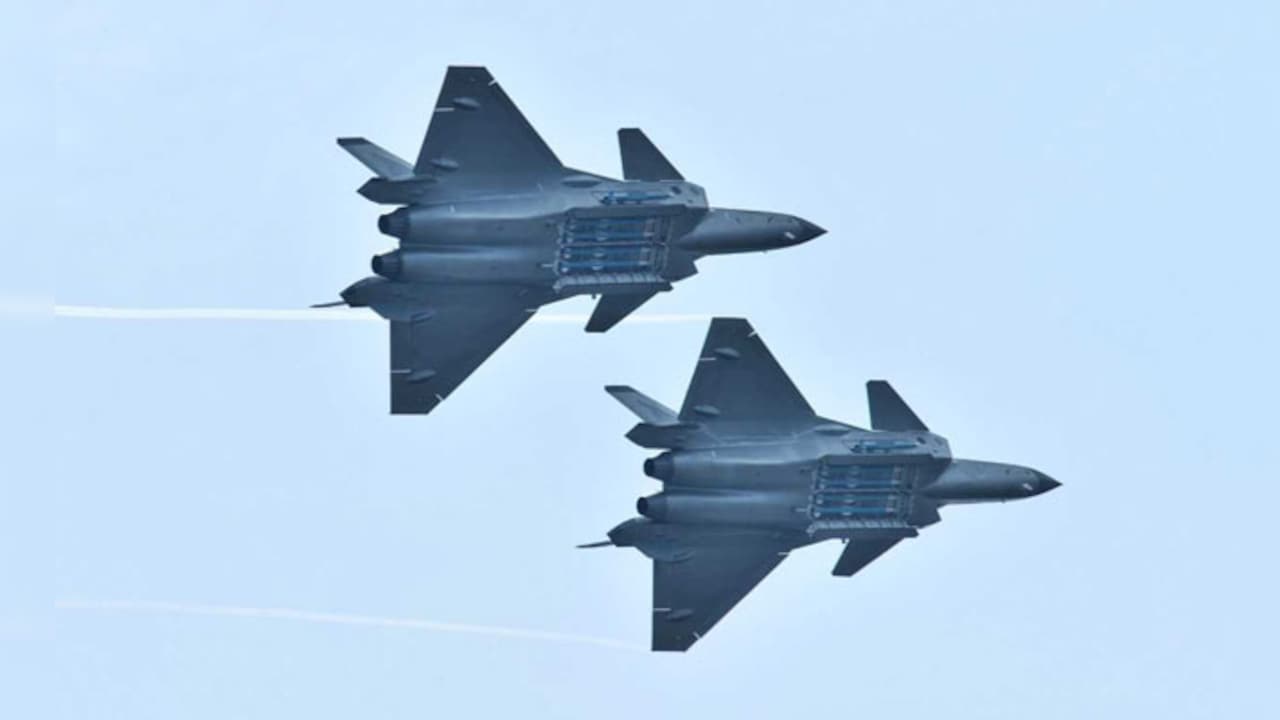
Starting from similar Soviet-based foundations in the 1980s, India and China have taken divergent paths in jet engine technology, leaving China ahead in the race for aerial supremacy.
Key Takeaways
- Both India and China launched ambitious jet engine programs in the 1980s.
- Both nations initially relied heavily on Soviet and Russian technological blueprints.
- China has successfully achieved engine autonomy for stealth fighters like the J-20, while India continues to face hurdles with the Kaveri project.
The geopolitical rivalry between India and China is increasingly being fought in the skies. In the 1980s, both nations recognized that true military autonomy required the ability to build their own fighter jet engines. Both launched ambitious programs, heavily leveraging the technological foundations provided by the Soviet Union and later Russia. However, four decades later, the gap between the two nations has widened significantly.
While India has made strides in aerospace engineering, its flagship Kaveri engine project has struggled to meet the rigorous requirements for modern combat aircraft. In contrast, China has systematically integrated foreign technology into a robust domestic manufacturing ecosystem. This has culminated in the deployment of the J-20 stealth fighter, powered by engines that represent a massive leap in Chinese indigenous capability.
Why This Matters (इसके मायने क्या हैं)
BozokMedia analysis shows that jet engine technology is the ultimate benchmark of a nation's industrial sophistication. For a military power, relying on foreign engines means being subject to the political whims of supplier nations. In a conflict scenario, an embargo on engine parts could effectively ground an entire air force.
China's ability to produce advanced engines provides it with a strategic edge, allowing for rapid fleet expansion and technological iterations without external interference. For India, the struggle to achieve engine sovereignty remains a critical vulnerability, impacting both its defense modernization timelines and its long-term strategic autonomy in the Indo-Pacific region.
Mastering jet engine technology is not just an engineering milestone; it is the definitive marker of a superpower's industrial soul.
Historical Background
During the late Cold War era, the global aero-engine landscape was dominated by Western and Soviet technologies. Both India and China sought to break this dependency. India's approach focused on developing the Kaveri engine to power the LCA Tejas, aiming for a leapfrog in technology. China, meanwhile, adopted a dual-track strategy: massive procurement of Russian engines combined with an aggressive, state-funded push to reverse-engineer and eventually innovate beyond their Soviet-era origins.
| Feature | India (Kaveri/LCA) | China (J-20/WS-10) |
|---|---|---|
| Primary Goal | Indigenous engine development | Technological autonomy & Stealth |
| Current Status | Navigating technical challenges | Successfully operationalized |
| Technological Base | Soviet/Western hybrid | Soviet/Russian to Indigenous transition |
Frequently Asked Questions (अक्सर पूछे जाने वाले प्रश्न)
Question 1: Why is engine development so difficult?
Answer: It requires mastery over extreme materials science, precision manufacturing, and complex thermodynamics that few nations possess.
Question 2: How does this affect India's defense?
Answer: It necessitates a continued reliance on imports from companies like GE or Safran, which can be costly and strategically sensitive.