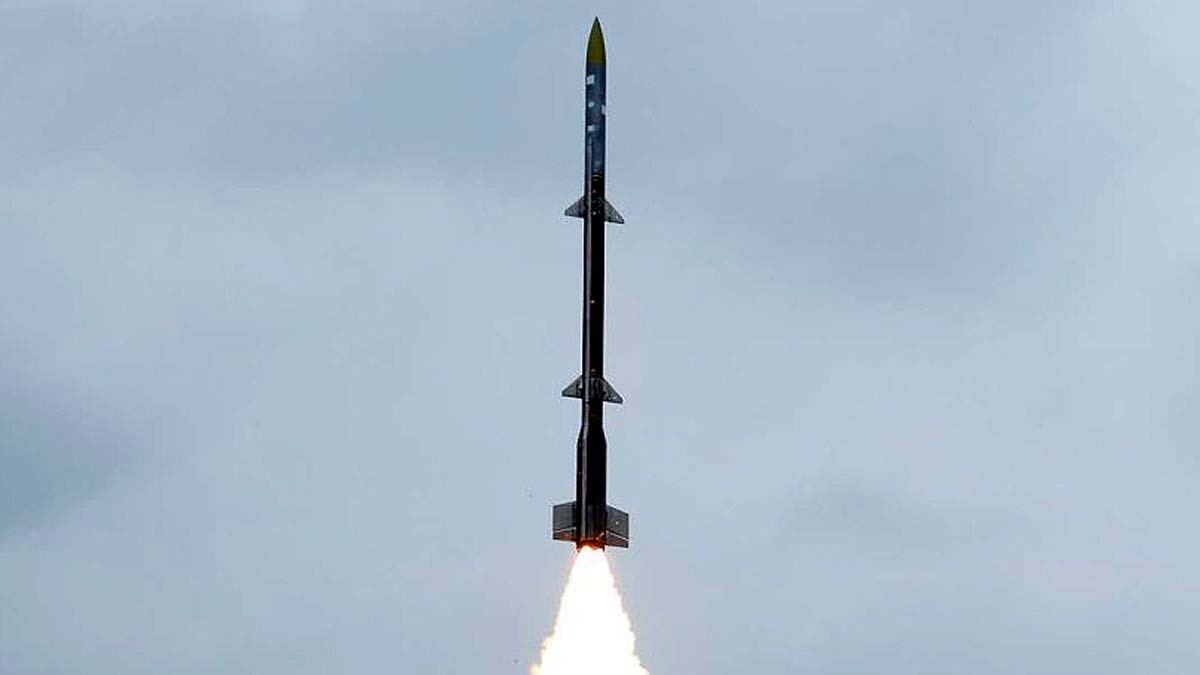
DRDO’s first surface‑to‑air flight of the Kusha missile proved a 600‑km range, offering India a long‑range anti‑air capability previously limited to a few nations. The breakthrough could lessen reliance on Russian S‑400 air‑defence systems.
Key Takeaways
- Kusha missile demonstrated 600 km surface‑to‑air range
- Potentially reduces dependence on S‑400 systems
- Features high speed, precision guidance and multi‑platform compatibility
Test Overview
The Defence Research and Development Organisation (DRDO) conducted the inaugural full‑scale test of its Kusha missile, launching it from a ground platform and intercepting a target at 200 km altitude over a secure zone in Jammu‑Kashmir.
Technical Highlights
Kusha incorporates a radar‑guided propulsion system, rapid target engagement, and electronic‑jam resistance. With a claimed range of up to 600 km, it significantly augments India’s layered air‑defence architecture.
Historical Background
India’s anti‑air missile journey began with projects like Barak and Akash. Initiated in 2018, Kusha represents the most advanced iteration, culminating in the 2024 flight test.
Why This Matters
BozokMedia analysis shows that Kusha’s success could grant India strategic autonomy, curbing reliance on foreign air‑defence hardware and potentially lowering long‑term defence spending.
"Kusha will elevate our air‑defence capabilities to a new strategic tier," said the DRDO chief.
Frequently Asked Questions
What is the operational range of the Kusha missile? The missile is designed to engage targets up to 600 km away.
Can Kusha fully replace the S‑400 system? While Kusha can complement or substitute S‑400 in certain scenarios, a complete replacement would require further integration and testing.