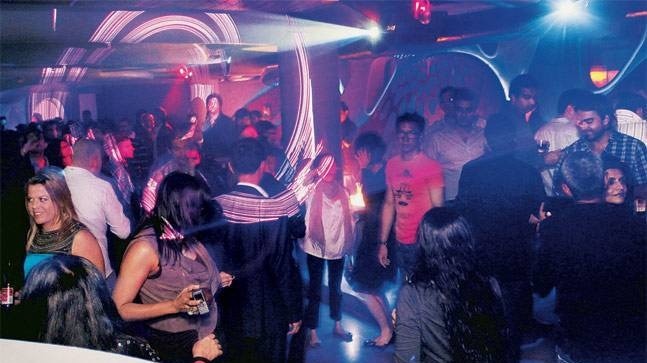
The newly notified Delhi Master Plan 2047 aims to foster a vibrant 24x7 economy by promoting nightlife precincts, tourism circuits, and extended operating hours for businesses.
- Transition of Delhi into a '24-hour city' model.
- Development of designated nightlife hubs and tourism circuits.
- Extended operating hours for retail, restaurants, and cultural activities.
- Repurposing landfills and industrial sites into public green spaces.
New Delhi: In a landmark move to redefine urban living, the Delhi Master Plan (MPD) 2047 has been officially notified, outlining a vision to transform the national capital into a vibrant 24x7 economy. The plan emphasizes the creation of nightlife precincts and enhanced tourism circuits to boost local trade and global appeal.
Under this strategic framework, the government intends to identify specific nodes and precincts designed to attract both international tourists and local residents. By extending the operating hours of workspaces, retail stores, and socio-cultural facilities, the plan seeks to create a more dynamic urban environment that thrives long after sunset.
Why This Matters
BozokMedia analysis shows that this shift toward a round-the-clock economy is critical for reducing daytime congestion and maximizing the economic productivity of urban land. By staggering activities across different hours, the city can manage its massive population more efficiently while enhancing public safety through increased activity in public spaces.
The MPD 2047 is not just an urban blueprint; it is a socio-economic catalyst designed to position Delhi as a global metropolis.
A significant portion of the plan focuses on revitalizing heritage and cultural landmarks. Areas such as Chandni Chowk, Nizamuddin, Connaught Place, and Hauz Khas are slated to become major cultural and commercial hubs. Furthermore, the plan proposes the creative reuse of non-functional quarries, landfills, and decommissioned thermal power plants, converting them into much-needed public spaces and green corridors.
To support this vision, the Delhi government’s Tourism Department will collaborate with local bodies to develop 'active travel areas' with pedestrianized stretches. There is also a strong emphasis on community engagement, where agencies will work with artists, youth groups, and vendors to organize seasonal festivals, themed night walks, and night markets.
Historical Background
Urban planning in Delhi has historically struggled to keep pace with rapid migration and expansion. Previous master plans focused primarily on residential zoning and infrastructure. However, MPD 2047 marks a paradigm shift, moving from mere management to active economic stimulation and lifestyle enhancement.
Frequently Asked Questions
1. How will the 24x7 economy affect local businesses?
It will allow for extended operating hours for restaurants, retail, and services, providing more opportunities for trade and tourism-related revenue.
2. Which areas will see the most development?
Heritage sites like the Walled City, Nizamuddin, and modern hubs like Connaught Place and Hauz Khas will be prioritized for cultural and commercial development.