A recent structural audit has revealed critical safety lapses and sensor failures in Delhi's iconic Signature Bridge, prompting the government to launch an immediate rehabilitation plan.
- The Bridge Health Monitoring System (BHMS) was found largely non-functional.
- Severe corrosion and rust scaling were detected in the skywalk ramp steelwork.
- Erosion of foundation protection near the riverside has been flagged.
- Maintenance responsibilities have recently shifted from DTTDC to PWD.
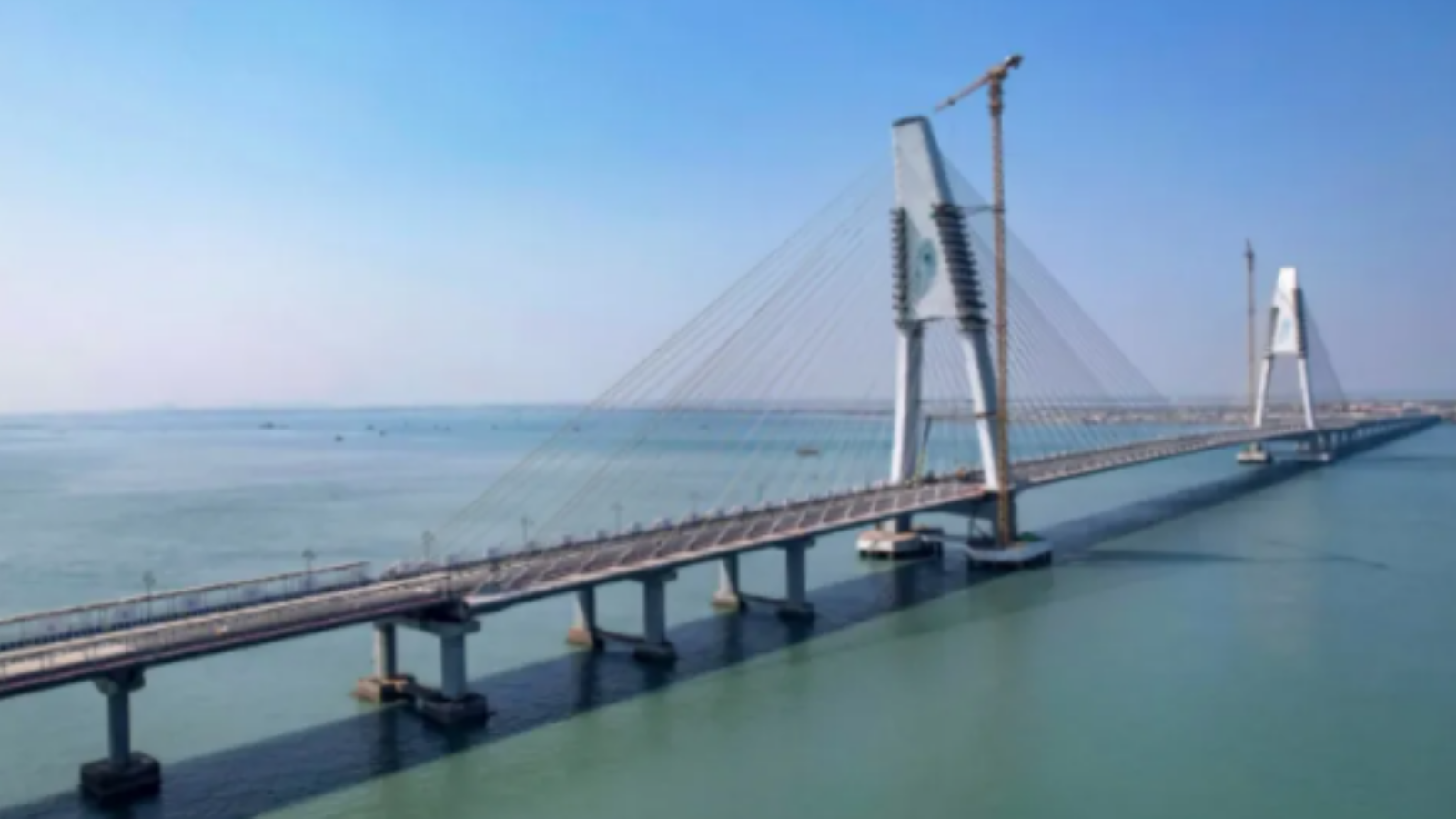
The structural integrity of Delhi's landmark Signature Bridge has come under intense scrutiny following a recent audit that revealed significant safety lapses. In response to the findings, the Delhi government has mandated a comprehensive rehabilitation and maintenance program for the city's first asymmetrical cable-stayed bridge to ensure commuter safety and structural longevity.
A major concern highlighted in the report is the failure of the Bridge Health Monitoring System (BHMS). This automated network of sensors is designed to provide real-time data on structural strain, wind, and displacement. However, the audit found that the system is largely non-operational, with several critical sensors damaged, missing, or stuck in passive mode, leaving engineers without vital real-time intelligence.
Why This Matters
BozokMedia analysis shows that the Signature Bridge is not merely a piece of infrastructure but a vital economic and tourism artery for North East Delhi. Linking the Outer Ring Road to areas like Karawal Nagar and Bhajanpura, it facilitates massive daily traffic flows. Any structural compromise could lead to catastrophic traffic disruptions or, worse, a safety disaster for the thousands of citizens who cross it daily.
A modern bridge cannot depend solely on periodic visual inspections; real-time technological monitoring is the only way to prevent structural failure.
The audit also pointed toward physical deterioration, specifically noting severe corrosion and rust scaling in the skywalk ramp steelwork. Furthermore, the protection around the bridge's foundation near the riverside is showing signs of erosion. Because underwater inspections were limited by water flow and safety constraints, authorities have recommended a specialized, deep-dive investigation into the subsurface portions.
Historical Context and Management Shift
Constructed by the Delhi Tourism and Transport Development Corporation (DTTDC) at an estimated cost of ₹1,518.37 crore, the bridge was inaugurated in 2018. Due to budgetary constraints and the expiration of the initial maintenance period, the bridge was officially handed over to the Public Works Department (PWD) earlier this year.
PWD Minister Parvesh Sahib Singh emphasized that the government is moving toward a systematic regime. "We are addressing the maintenance requirements systematically. We will not allow past gaps in maintenance to become future risks," Singh stated, noting that the new plan includes monthly routine inspections and specialized assessments following extreme weather events.
Frequently Asked Questions
1. What is the BHMS and why is it important?
The BHMS is a sensor-based system that monitors real-time structural health; its failure means engineers cannot detect internal stresses or movements automatically.
2. Who is currently responsible for the bridge's upkeep?
Following a handover from DTTDC, the PWD is now the primary agency responsible for its maintenance.