The Delhi government is set to develop a massive 61-km corridor along the Najafgarh drain to alleviate traffic pressure and improve connectivity across the capital. The project aims to significantly reduce travel time and vehicular emissions.
- Development of a 61-km multi-use corridor along the Najafgarh drain.
- PWD to appoint a private consultant for feasibility and planning.
- Estimated project cost is approximately ₹454 crore.
- Integration with major routes like Outer Ring Road and UER-II.
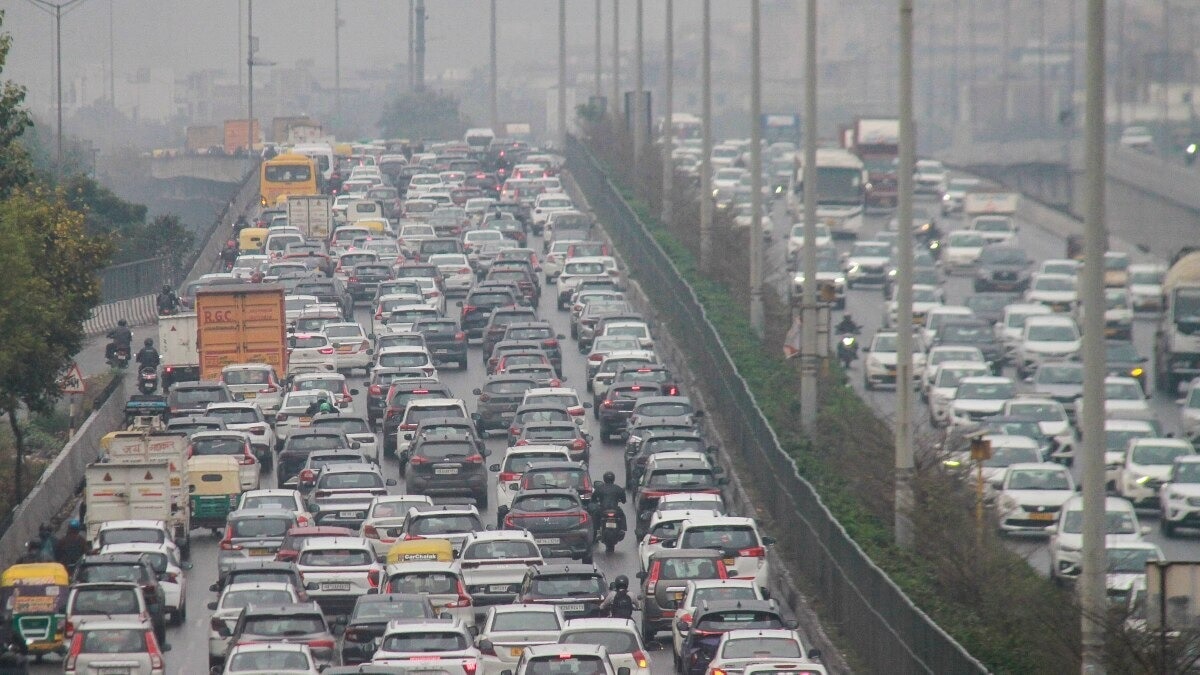
In a major move to tackle the perennial problem of traffic congestion, the Delhi government is planning to develop an extensive 61-kilometre corridor along the Najafgarh drain. The project, which was initially announced in February, is now moving into the critical planning stage as the Public Works Department (PWD) prepares to hire a private consultant to conduct a comprehensive feasibility study.
The proposed infrastructure aims to transform the movement of vehicles across the city. Under the current blueprint, roads will be developed from Chhawla to Basaidarapur along both sides of the drain. This stretch covers 27.415 km on each side, totaling 54.83 km across both banks. Additionally, a 5.94-km two-lane road is planned on the left bank from Jhatikra Bridge to Chhawla Bridge.
Why This Matters
BozokMedia analysis shows that the current traffic dynamics in Delhi's outskirts are heavily impacted by a mix of slow-moving vehicles and cross-movements during peak hours. By creating a dedicated corridor, the city can divert heavy traffic away from congested arterial roads.
The corridor is designed to be multi-functional. Beyond being a vehicular artery, it will feature 7-meter-wide paved roads with dedicated tracks for walking, jogging, and cycling, promoting a healthier lifestyle for residents in the vicinity.
The Najafgarh drain corridor represents a strategic shift toward multi-modal connectivity in Delhi's urban expansion zones.
Strategic Connectivity and Environmental Impact
One of the most significant advantages of this project is the enhanced connectivity it offers. The corridor will serve as a vital link to major thoroughfares, including the Outer Ring Road, Inner Ring Road, Shivaji Marg, Pankha Road, UER-II (connecting to NH-9 Rohtak Road), and Najafgarh Road.
Furthermore, the project carries significant environmental implications. By reducing idling time in traffic, the corridor is expected to lower fuel consumption and drastically cut down vehicular emissions. The plan also includes extensive landscaping and tree plantation to enhance the aesthetic and ecological value of the area.
Historical Background: For decades, the Najafgarh area has faced challenges due to its unique geography and rapid, unplanned urbanization. The drain, while a drainage necessity, has often been a barrier to seamless movement. This corridor seeks to turn a geographical obstacle into a logistical asset.
Frequently Asked Questions
1. What is the estimated budget for the Najafgarh Drain Corridor?
The total estimated cost of the project is approximately ₹454 crore.
2. Will there be facilities for pedestrians and cyclists?
Yes, the plan includes separate tracks for walking, jogging, and cycling along the 7-meter-wide road.