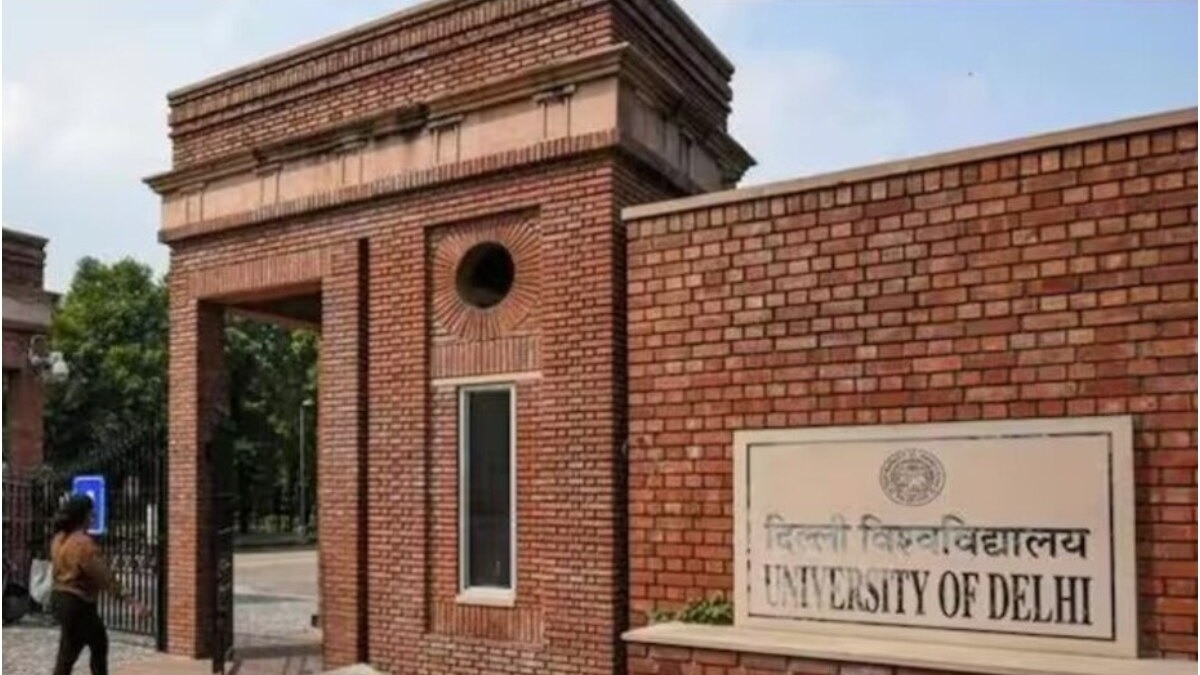
The Democratic Teachers’ Front (DTF) has strongly opposed Delhi University's decision to invite colleges to launch a one-year postgraduate programme starting from the 2026-27 session. The teachers' body alleges that the university administration is bypassing statutory bodies, which could lead to an increased workload and strain on existing infrastructure.
Key Takeaways
- DTF opposes DU's WhatsApp-driven proposal for 1-year PG courses starting 2026-27.
- Concerns raised over bypassing statutory bodies like Academic and Executive Councils.
- Fears of infrastructural strain, increased faculty workload, and confusion over PhD eligibility.
Delhi University (DU) is facing significant backlash from its academic community over the proposed implementation of a one-year postgraduate (PG) programme scheduled for the 2026-27 academic session. The Democratic Teachers' Front (DTF) has formally lodged its protest, accusing the university administration of pushing critical reforms in a hurried, non-consultative manner. The controversy erupted after the DU Registrar reportedly sent a WhatsApp message to college principals, asking them to submit proposals detailing courses and student intake for the new programme.
The DTF has termed the approach "frivolous" and a "cavalier attitude" towards students, highlighting that such major academic changes are being implemented without proper deliberation. Interestingly, the move comes immediately after the meetings of the Academic Council (AC) and Executive Council (EC), raising questions about why these proposals were not formally debated during those sessions. The teachers' union argues that bypassing these statutory bodies undermines the democratic and academic integrity of the university.
Introducing a fast-tracked PG curriculum is expected to place immense pressure on colleges, particularly those managing laboratory-based and science departments. Representatives pointed out that colleges currently lack the necessary infrastructure, specialized laboratories, and adequate faculty strength to support an accelerated one-year postgraduate course alongside the existing two-year programmes.
| Feature | 1-Year PG Programme | 2-Year PG Programme |
|---|---|---|
| Duration | 1 Year (Accelerated track) | 2 Years (Traditional format) |
| Infrastructural Demand | High; requires immediate lab and resource expansion | Moderate; compatible with existing setups |
| Faculty Workload | Expected to increase significantly | Standardized and manageable |
Why This Matters
A BozokMedia analysis shows that the rush to implement National Education Policy (NEP) guidelines without robust infrastructural support risks diluting academic quality. Forcing colleges to manage dual postgraduate structures without expanding faculty strength could lead to systemic burnout and compromise the learning outcomes of students.
"Bypassing statutory bodies to implement major curriculum shifts via informal channels like WhatsApp sets a dangerous precedent for higher education governance in India." — Academic Expert
Adding to the academic friction, the DTF has also raised red flags over proposed amendments to PhD ordinances. The university plans to allow direct doctoral admissions for students who have completed a four-year undergraduate programme. Educators warn that this shift, combined with the uncoordinated rollout of the one-year PG course, will create immense confusion regarding academic pathways and eligibility criteria.
Frequently Asked Questions
Q1: Why is the DTF opposing DU's one-year PG course?
A1: They argue it bypasses statutory bodies, was communicated informally via WhatsApp, and lacks the necessary infrastructure and faculty to support it.
Q2: When is the one-year PG programme scheduled to start?
A2: The university aims to roll out the one-year postgraduate programme starting from the 2026-27 academic session.