The Cockroach Janta Party (CJP) has written to education ministers across India asking for detailed statistics on the state of public school infrastructure. The move highlights persistent gaps in safe water, toilets, seating and digital resources even 80 years after independence.
- CJP has asked every state education ministry for detailed school data
- Report exposes lack of basic amenities in government schools
- Calls for public disclosure and urgent infrastructure action
Background
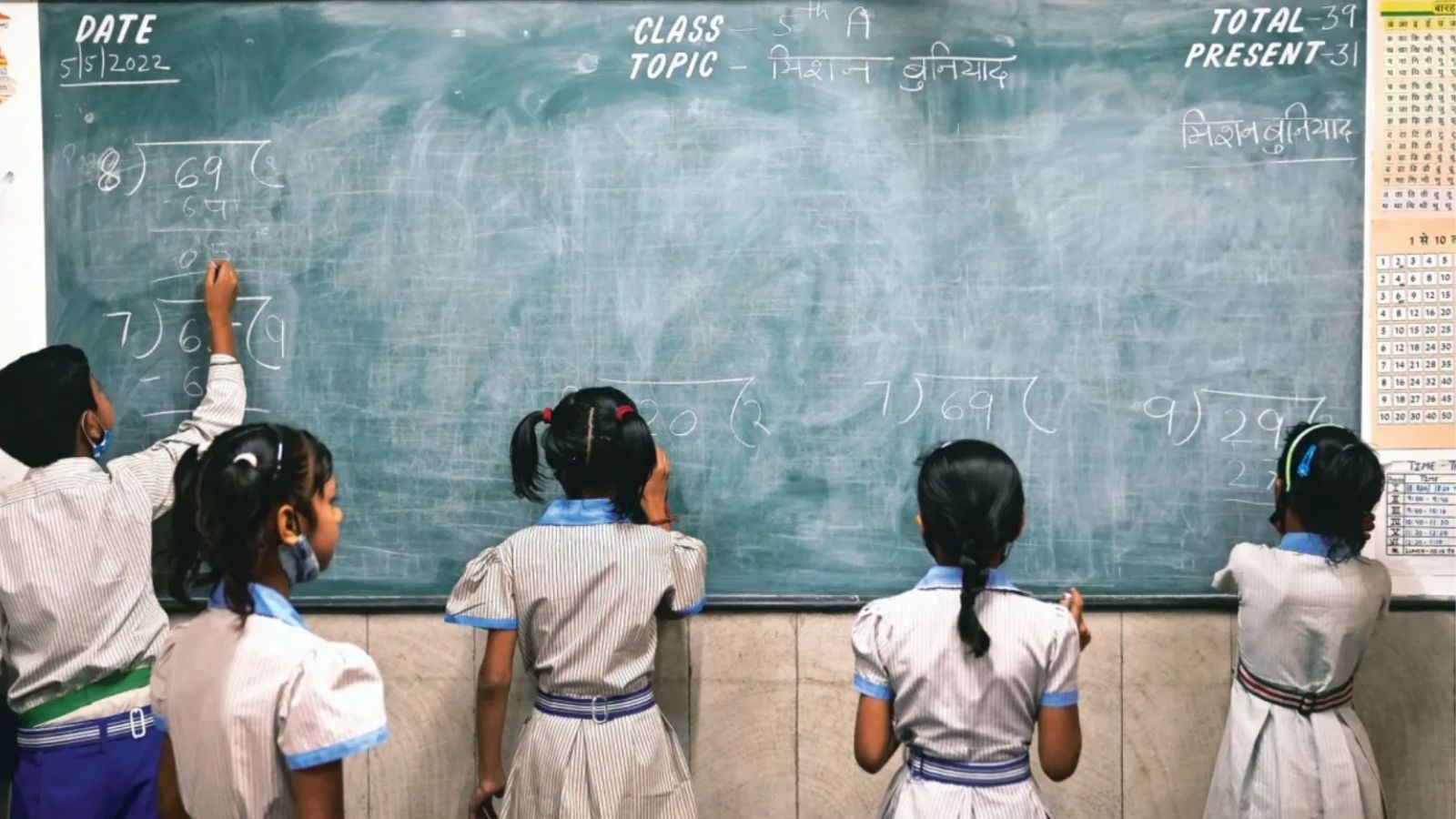
On August 15, CJP chief Abhijeet Dipke announced a “social audit” of rural government schools, urging citizens to inspect facilities. Images shared online showed children studying in classrooms without clean drinking water, functional toilets or proper seating.
CJP’s Formal Request
In a letter dated August 24, Dipke wrote to the education ministers of all Indian states, requesting information on six key parameters: number of schools renovated in the last five years, teacher vacancies, funds allocated versus spent, additional schools needed for universal access, non‑teaching duties assigned to teachers, and the extent of computer, sanitation and sports facilities.
Dipke warned, “The visuals emerging from government schools on social media should make every citizen deeply concerned. No child in this country should be forced to study in such conditions.” He stressed that the issue transcends politics and is about the future of India’s children.
Why This Matters
BozokMedia analysis shows that inadequate school infrastructure hampers India’s goal of universal quality education and threatens its demographic dividend. Without swift corrective measures, the nation risks widening regional disparities and weakening human capital development.
"If basic school facilities are not prioritized, all other educational reforms become ineffective," says education expert Dr. Rina Sharma.
Frequently Asked Questions
Q1: What specific data did CJP request?
A1: The party asked for figures on school renovations, teaching vacancies, financial allocations and expenditure, additional schools required, teachers' non‑teaching responsibilities, and availability of computers, toilets and sports equipment.
Q2: How can the release of this data drive change?
A2: Public data enables states to prioritize funding, strengthen monitoring mechanisms, and hold officials accountable, accelerating improvements in school infrastructure.