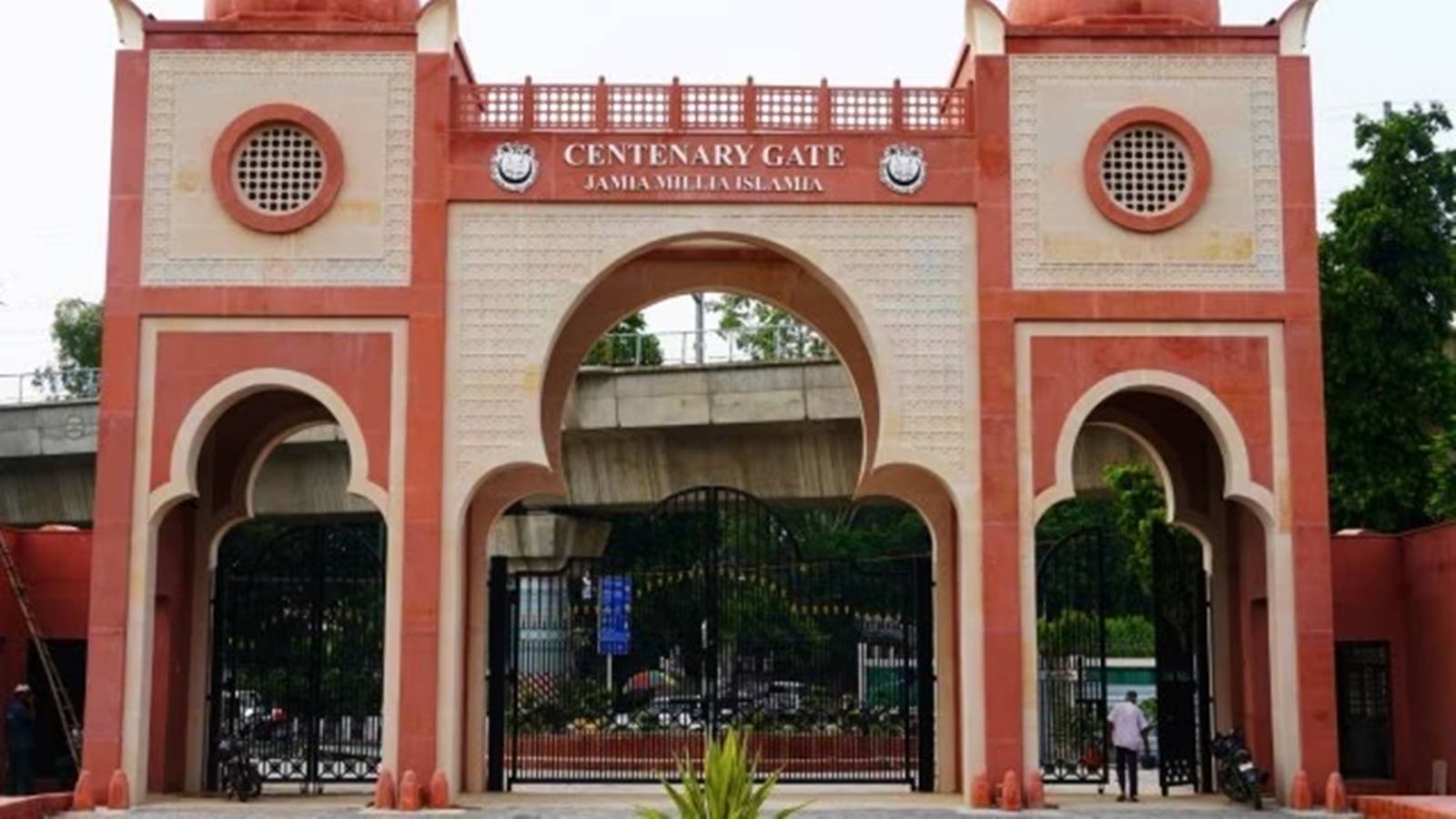
Jamia Millia Islamia has suspended and barred four students, including three NSUI office-bearers, following protests over alleged irregularities in the 2026-27 spot admission process. The university administration claimed the protests disrupted academic activities, while the student wing demanded immediate reinstatement and transparent dialogue.
- Jamia Millia Islamia (JMI) suspended four students, including three NSUI leaders, banning them from entering the campus.
- The action stems from protests alleging irregularities and lack of transparency in the university's 2026-27 spot admission process.
- While the university claims protests disrupted academic operations, the NSUI demands an open dialogue and immediate withdrawal of the suspension.
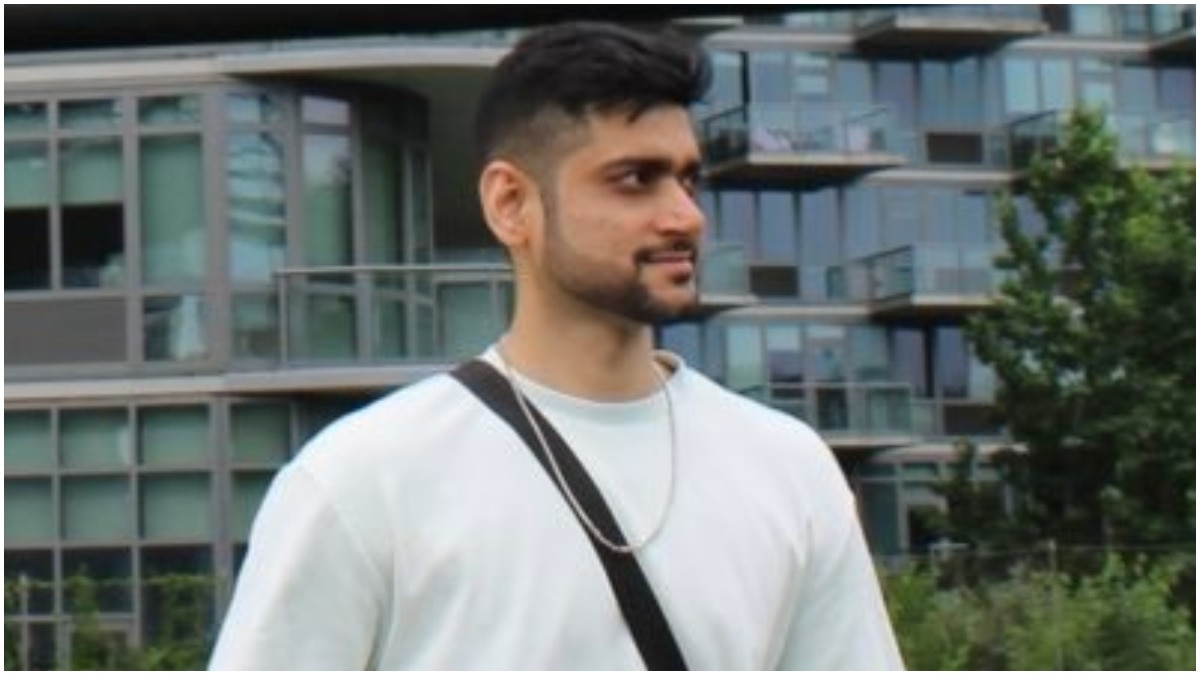
In a major disciplinary move, Jamia Millia Islamia (JMI), one of India's premier central universities, has suspended four students and barred them from entering the campus. The decision follows intense student protests highlighting alleged irregularities in the university’s spot admission process for the academic year 2026-27. The suspended students include three prominent office-bearers of the National Students' Union of India (NSUI)—Dhruv Chauhan, Tabrez Afsar, and Ebin Basil—alongside another student, Mohd Jasim.
The protests erupted after serious allegations surfaced regarding the offline spot admission system. Student bodies claimed that candidates with lower ranks on the waiting list were granted admission, while those with higher ranks were unfairly denied seats. Furthermore, the decision of the administration to transition to offline spot admissions this year, rather than maintaining an online format, has drawn heavy criticism from the student community, who argue it reduces transparency and opens avenues for manipulation.
Rejecting all allegations of administrative malpractice, the JMI administration has asserted that its admission process remains completely transparent and merit-based. According to official notices on the university's admission portal, offline spot registrations for the 2026-27 session were systematically conducted across July and August. The university claimed that the disciplinary action was not a suppression of dissent but a necessary response to the violation of campus rules and disruption of academic peace.
The suspension order, issued by the Chief Proctor on August 26, specifically accused the students of organizing unauthorized gatherings. The administration noted that while Gate 18 is the designated zone for student demonstrations, the protesters staged a sit-in at the central canteen. The order further alleged that the demonstrators blocked access to vital campus facilities, including the girls' common room and the billing counter, and defaced university walls with posters.
Historical Context of Campus Activism at Jamia Millia Islamia
Jamia Millia Islamia has a rich history of student activism dating back to its establishment during the Non-Cooperation Movement in 1920. Over the decades, the campus has been a vibrant hub for socio-political discourse. However, in recent years, the administration has tightened security protocols and designated specific zones, such as Gate 18, for protests to balance democratic expression with academic continuity. This latest clash highlights the ongoing tension between student-led democratic movements and institutional administrative frameworks in Indian central universities.
Why This Matters
A BozokMedia analysis shows that administrative decisions in premier central universities like Jamia Millia Islamia often set a precedent for higher education governance across India. The shift from online to offline spot admissions, combined with swift disciplinary action against student leaders, reflects a growing national trend where administrations prioritize campus discipline over open-ended student negotiations. This incident could further polarize student-administration relations in central universities.
"Ensuring transparency in public university admissions is crucial for maintaining public trust. While maintaining campus order is necessary, administrative bodies must establish robust grievance redressal mechanisms to prevent student anxieties from escalating into disruptive protests." — Dr. Alok Sharma, Higher Education Analyst.
| Issue / Aspect | University Administration's Stance | NSUI & Protesting Students' Stance |
|---|---|---|
| Spot Admission Process | Completely transparent, merit-based, and conducted according to guidelines. | Plagued by irregularities; higher-ranked candidates were bypassed for lower-ranked ones. |
| Protest Location & Method | Unauthorized sit-in at the central canteen; blocked billing counters and common rooms. | Peaceful expression of grievances; forcibly removed by security from the canteen. |
| Disciplinary Action | Necessary suspension to restore academic and administrative order. | Undemocratic, bypasses due process, and denies students the right to be heard. |
Frequently Asked Questions
Q1: Why were the four Jamia Millia Islamia students suspended?
A1: The students were suspended and barred from campus for organizing unauthorized protests at the central canteen, disrupting academic functioning, and allegedly blocking access to university facilities.
Q2: What are the students protesting against?
A2: The students are protesting against alleged irregularities in the 2026-27 offline spot admission process, claiming that merit-list protocols were bypassed.