At a national seminar on Dravidian Literature, renowned Kannada writer Nataraja Huliyaar emphasized that tradition and modernity should be viewed as complementary, evolving forces.
- Tradition and modernity act as dynamic forces that reshape each other rather than opposing ones.
- Modern literary criticism now integrates sociology, philosophy, and gender studies.
- Dravidian University aims to bridge linguistic gaps through intensive research.
Speaking at a two-day national seminar titled “Dravidian Literature: Tradition, Modernity and Emerging Critical Perspectives” held at Dravidian University in Kuppam, eminent Kannada writer Nataraja Huliyaar delivered a profound keynote address. He asserted that tradition and modernity should not be perceived as conflicting entities but as dynamic forces that continuously influence and redefine one another.
Mr. Huliyaar argued that tradition is far more than a static legacy of the past; it is a living, breathing cultural process that evolves and acquires fresh significance over time. He defined modernity as an intellectual catalyst that engages with, questions, and reinterprets traditional frameworks.
The Evolution of Literary Criticism
A significant portion of the discourse focused on the shifting landscape of literary analysis. Mr. Huliyaar noted that contemporary criticism has transcended the traditional boundaries of language, style, and aesthetics. It now encompasses a vast multidisciplinary spectrum, including history, sociology, philosophy, political theory, gender studies, linguistics, anthropology, and media.
Understanding a literary work requires examining its social, historical, and cultural context.
Vice-Chancellor L.C. Mallaiah highlighted the pivotal role of the university in fostering research centered on Dravidian languages. He emphasized that such specialized institutions are crucial for bridging linguistic gaps and suggested that reconstructing Proto-Dravidian is essential for strengthening comparative linguistic research.
Why This Matters
BozokMedia analysis shows that this seminar represents a critical academic movement to formalize the study of Dravidian identities in a globalized world. By integrating modern sociological tools with ancient linguistic traditions, scholars are creating a more robust framework for understanding South Asian cultural evolution.
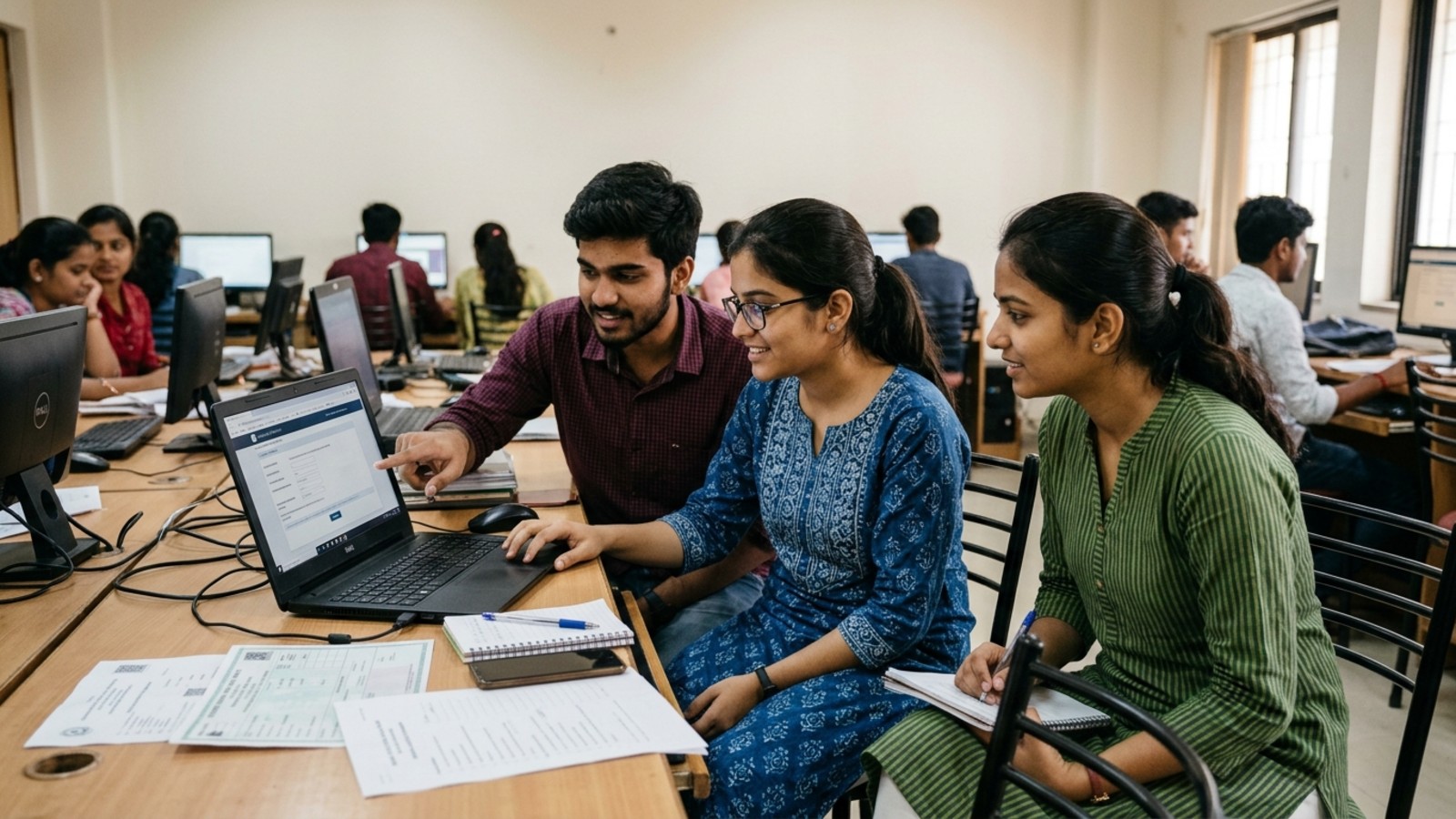
The seminar was organized by the Kannada department in collaboration with the A.P. Higher Education Department and Nagarjuna University. The event featured intensive sessions on poetry and short stories across Telugu, Kannada, Tamil, and Malayalam, drawing participation from scholars, faculty, and dedicated research students.
Frequently Asked Questions
Question 1: How does Nataraja Huliyaar define modernity?
Answer: He defines modernity as an intellectual process that engages with and reinterprets tradition.
Question 2: What was the focus of the seminar at Dravidian University?
Answer: The seminar focused on the intersection of tradition, modernity, and new critical perspectives in Dravidian literature.