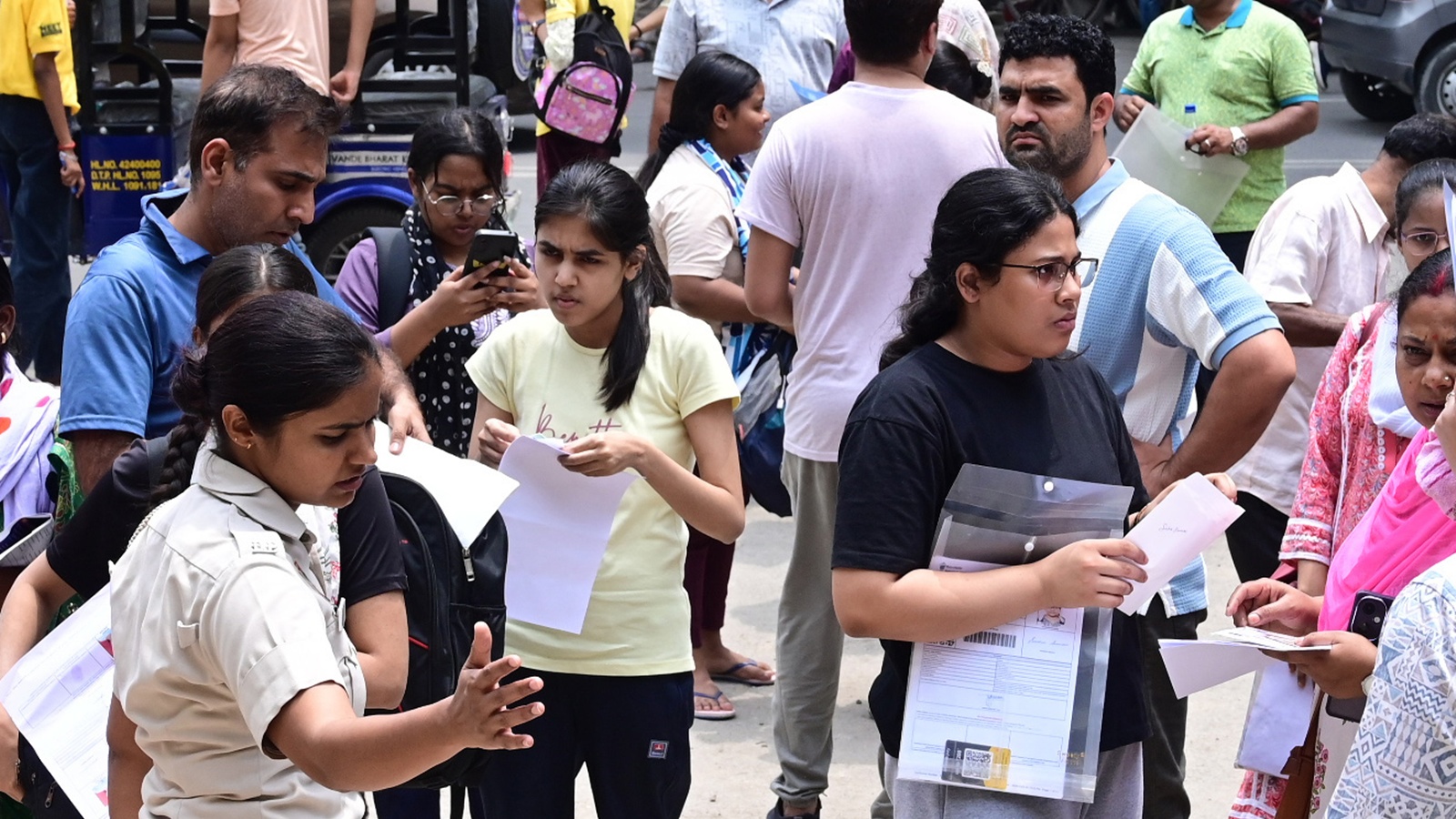
In a major overhaul to prevent paper leaks, the NTA is transitioning NEET-UG from pen-and-paper to Computer-Based Testing (CBT) starting next year.
New Delhi: The National Testing Agency (NTA) is gearing up for a massive technological shift in the conduct of the NEET-UG examination. In a move designed to fortify the integrity of India's premier medical entrance exam, the government has announced that the examination will migrate from the traditional pen-and-paper mode to Computer-Based Testing (CBT) starting next year.
To facilitate this transition, the NTA has officially requested the All India Council for Technical Education (AICTE) to spearhead an infrastructure audit. AICTE has subsequently contacted Vice Chancellors of state-run technical universities and directors of government-run higher education institutions to gather critical data regarding their digital readiness.
Why This Matters
The decision follows a tumultuous period for the NTA, marked by a high-profile NEET paper leak that triggered nationwide protests and political instability. BozokMedia analysis shows that the shift to a digital format is not merely a convenience but a strategic necessity to mitigate the risks of physical paper tampering and unauthorized access. By moving to a decentralized digital network, the agency aims to minimize the human element in paper distribution.
Transitioning to a digital ecosystem is the most effective deterrent against the organized paper leak syndicates that have plagued competitive exams.
The AICTE has mandated that all approved institutions provide comprehensive details via a standardized format. This includes the number of functional computer systems, internet bandwidth, power backup capabilities, CCTV surveillance, and available physical space for setting up Standard Testing Centres. The deadline for submission of this data is September 15.
Historical Background
The push for reform gained momentum after the Union Education Ministry was forced to cancel the initial NEET entrance exam on May 3, which saw approximately 22 lakh candidates. The ensuing crisis led to significant administrative changes and a complete re-evaluation of how the NTA manages high-stakes national examinations.
| Feature | Pen-and-Paper Mode | Computer-Based Test (CBT) |
|---|---|---|
| Security Risk | High (Physical Paper Leak) | Low (Digital Encryption) |
| Grading Speed | Slow (Manual) | Instant (Automated) |
| Integrity | Vulnerable to tampering | High (Randomized Question Sets) |
Frequently Asked Questions (FAQs)
1. When will the first CBT-mode NEET exam take place?
The government has indicated that the transition to computer-based testing is planned for the next academic cycle.
2. Which institutions are being surveyed for this change?
The survey focuses on AICTE-approved government colleges, engineering institutes, and polytechnic centers across India.