A deep dive into GS Paper 2 topics for UPSC 2027 aspirants, analyzing India's strategic autonomy in the SCO and the stability of the Indus Waters Treaty.
- India's SCO participation is a tool for strategic autonomy, not an anti-Western alignment.
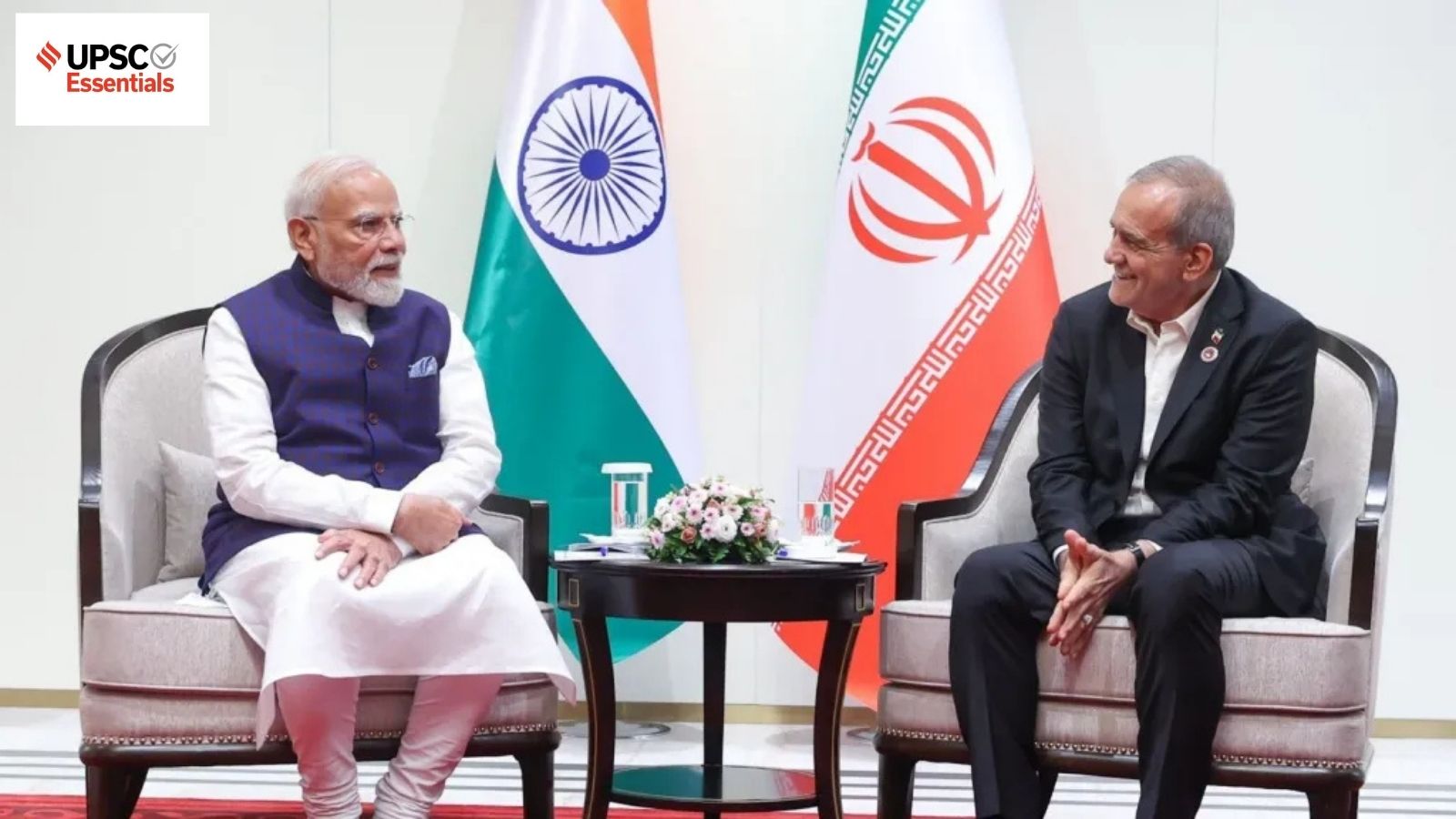
- The inclusion of Iran enhances India's connectivity prospects to Central Asia via the SCO framework.
- The Indus Waters Treaty faces unprecedented pressure due to evolving geopolitical and security tensions.
For candidates preparing for the UPSC Civil Services Mains Exam 2027, mastering the nuances of international relations is critical. Today's practice session focuses on GS Paper 2, specifically examining India's complex engagement with the Shanghai Cooperation Organisation (SCO) and the enduring yet strained Indus Waters Treaty (IWT).
SCO: A Platform for Strategic Autonomy
A common misconception is that India's presence in the SCO signals a tilt away from Western alliances. However, BozokMedia analysis shows that India's involvement is a calculated move to exercise strategic autonomy. By engaging with the SCO, India maintains vital links with Russia, Iran, and Central Asian states, even while managing significant bilateral friction with China and Pakistan.
The recent inclusion of Iran in the SCO marks a significant shift. Iran's geography provides a critical gateway for India to access the resource-rich Central Asian region. Despite the complexities of international sanctions, the SCO offers a multilateral institutional forum that allows India to pursue its connectivity ambitions in Eurasia.
Why This Matters
In an era of shifting global power dynamics, India is refusing to be pigeonholed into rigid blocs. Its ability to engage with the SCO while simultaneously strengthening ties with the West demonstrates a sophisticated, multi-aligned foreign policy designed to protect national interests in both the Eurasian and Indo-Pacific spheres.
India's engagement with the SCO is less about joining a bloc and more about ensuring it has a seat at the table in the evolving Eurasian order.
The Indus Waters Treaty in a Volatile Context
The second critical area of study involves the Indus Waters Treaty. Historically, the treaty has stood as a rare pillar of institutionalized cooperation between India and Pakistan, surviving numerous wars and diplomatic breakdowns. However, the current geopolitical climate, marked by heightened security concerns and cross-border terrorism, poses significant challenges to its future stability.
Historical Context & Analysis
As India seeks to optimize its water resource management, the treaty is being viewed through a lens of national security. The challenge lies in balancing the legal obligations of the treaty with the urgent need to address domestic water scarcity and the geopolitical realities of a hostile neighbor.
Frequently Asked Questions
1. Does SCO membership mean India is moving away from the West?
No, India uses the SCO to engage with Eurasia while maintaining its strategic partnerships with Western nations to ensure its autonomy.
2. What are the primary threats to the Indus Waters Treaty?
The primary threats include political instability, regional security tensions, and the increasing demand for water resources in South Asia.