Jawaharlal Nehru University (JNU) is grappling with intense friction under Vice-Chancellor Santishree Dhulipudi Pandit, marked by student union expulsions, recruitment controversies, and caste-based allegations.
- JNU administration took the unprecedented step of rusticating all four elected JNUSU office-bearers.
- Controversies persist regarding recruitment processes and allegations of bypassing UGC eligibility criteria.
- The Vice-Chancellor faces scrutiny over controversial remarks regarding caste and 'victimhood'.
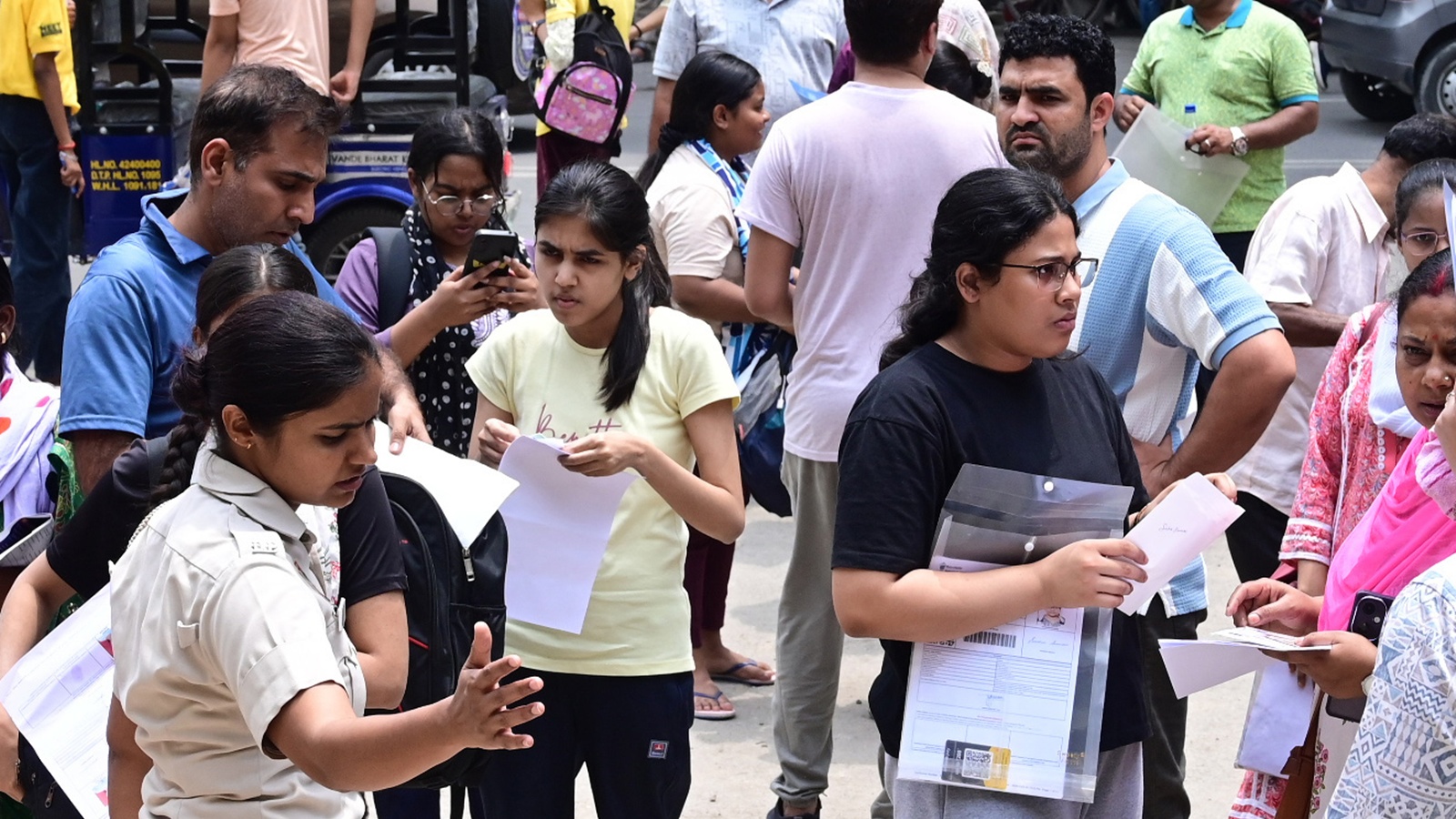
The history of Jawaharlal Nehru University (JNU) has always been defined by a delicate balance between radical student activism and administrative authority. However, under the leadership of Vice-Chancellor Santishree Dhulipudi Pandit, this balance has shifted toward a period of significant rupture. In a move that sent shockwaves through the academic community, the administration rusticated all four elected members of the Jawaharlal Nehru University Students Union (JNUSU) in February 2026, marking the first time an administrative order has dissolved an entire elected union in the institution's history.
Beyond student politics, the administration's focus on discipline has extended to physical spaces. The implementation of facial recognition entry gates and strict restrictions on protests within a 100-meter radius of administrative buildings have led to accusations of a surveillance state within the campus. Students argue that these measures have fundamentally altered the landscape of democratic dissent.
Why This Matters
BozokMedia analysis shows that the friction within JNU serves as a microcosm for the larger ideological battleground in Indian higher education. The tension between maintaining institutional discipline and protecting the right to dissent is reaching a boiling point, with implications for academic freedom across the country.
The institutionalization of surveillance and the suppression of student unions signal a fundamental shift in JNU's democratic fabric.
The recruitment process has also emerged as a major flashpoint. While the administration boasts of filling over 200 positions since February 2022—with a significant 70% from reserved categories—the Jawaharlal Nehru University Teachers’ Association (JNUTA) has raised serious alarms. They allege that subject-expert committees were bypassed to reinstate candidates who failed to meet UGC eligibility criteria.
Adding to the complexity are the allegations of caste-based bias. Following a podcast appearance where Ms. Pandit commented on the concept of the 'victim card' in relation to Dalit identity, the university has faced intense criticism. While she has defended her statements as being taken out of context, the matter remains under investigation by the National Commission for Scheduled Castes.
| Issue | Administration's Stance | Critics' Allegation |
|---|---|---|
| Student Union | Maintaining Campus Discipline | Dissolving Democratic Representation |
| Recruitment | Record-breaking appointments | Bypassing UGC eligibility norms |
| Surveillance | Enhanced Campus Security | Suppression of Student Dissent |
Frequently Asked Questions
1. What happened to the JNUSU leaders?
All four elected office-bearers were rusticated for two semesters and fined ₹20,000 following administrative disputes.
2. Is there an investigation into the recruitment allegations?
While the administration denies wrongdoing, the recruitment disputes and caste-related grievances remain officially unresolved and under scrutiny by various commissions.