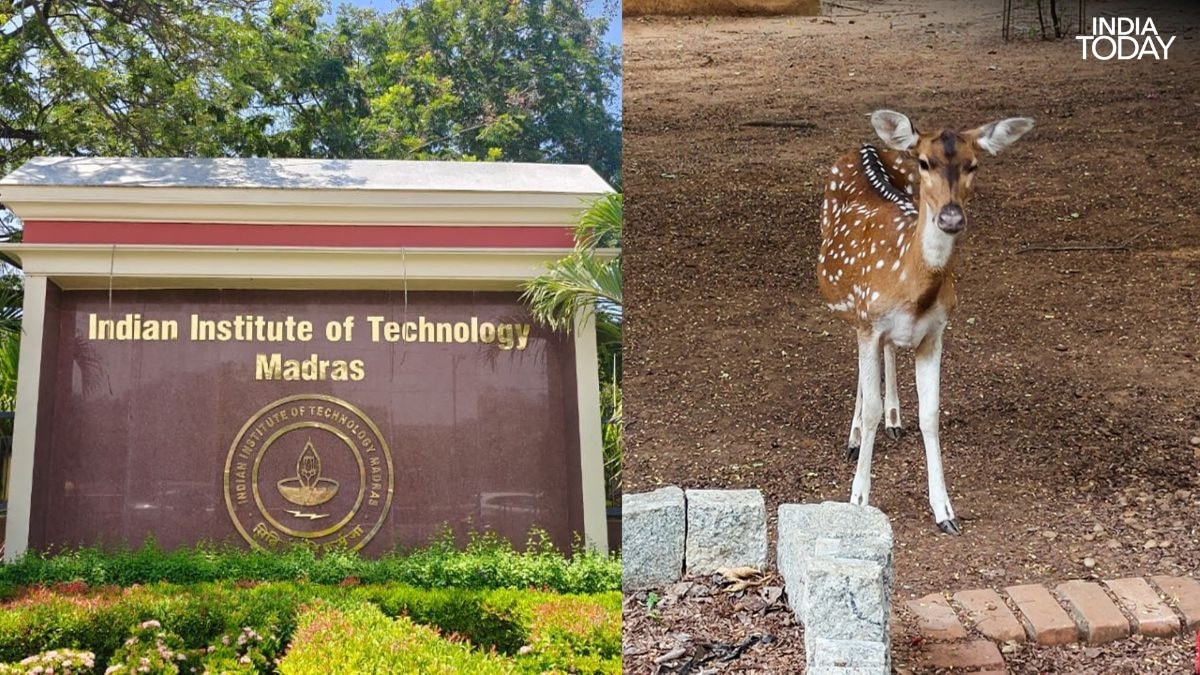
An immersive look into a week at IIT Madras, exploring a world where flying taxis, rocket technology, and advanced brain mapping are part of daily life.
- IIT Madras is emerging as a global epicenter for cutting-edge aerospace and neuroscientific research.
- The campus is actively developing future mobility solutions like eVTOL (flying taxis).
- The integration of deep tech research with academic rigor defines the IIT Madras experience.
Stepping into IIT Madras is less like entering a university and more like stepping into a sci-fi movie set. A week spent within its sprawling campus reveals a landscape where the boundaries between academic theory and futuristic reality are blurred. From the whirring of prototypes for flying taxis to the intense calculations behind rocket propulsion, the atmosphere is one of constant, high-stakes innovation.
The research endeavors here are not confined to traditional engineering. While the aerospace labs are pushing the limits of flight with electric vertical take-off and landing (eVTOL) technologies, the neurobiology departments are diving deep into the human subconscious through advanced brain mapping. This intersection of disciplines creates a unique ecosystem where a mechanical engineer might find themselves discussing neural networks with a biologist.
Why This Matters
BozokMedia analysis shows that the concentration of high-end research at IIT Madras is a critical driver for India's transition into a high-tech economy. By bridging the gap between fundamental science and commercial application, the institute is creating the intellectual property that will define the next decade of global industry.
The convergence of aerospace and neuroscience at IIT Madras signifies a paradigm shift in how interdisciplinary research is conducted in Asia.
The implications of this research are vast. The development of autonomous flying vehicles could redefine urban logistics, while brain mapping advancements hold the key to treating neurological disorders and advancing human-computer interfaces. The campus serves as a living laboratory for the challenges of the 21st century.
Historical Background
Founded in 1959, IIT Madras has evolved from a premier technical institute into a multifaceted research powerhouse. Its strategic focus on industry-academia collaboration, epitomized by its dedicated Research Park, has made it a cornerstone of India's scientific sovereignty.
Frequently Asked Questions
1. What are the most advanced technologies being researched at IIT Madras?
The institute is leading in areas such as eVTOL (flying taxis), aerospace engineering, AI, and advanced neuro-mapping.
2. How does IIT Madras support industrial innovation?
Through its Research Park, it provides a platform for companies to collaborate directly with researchers on real-world problems.