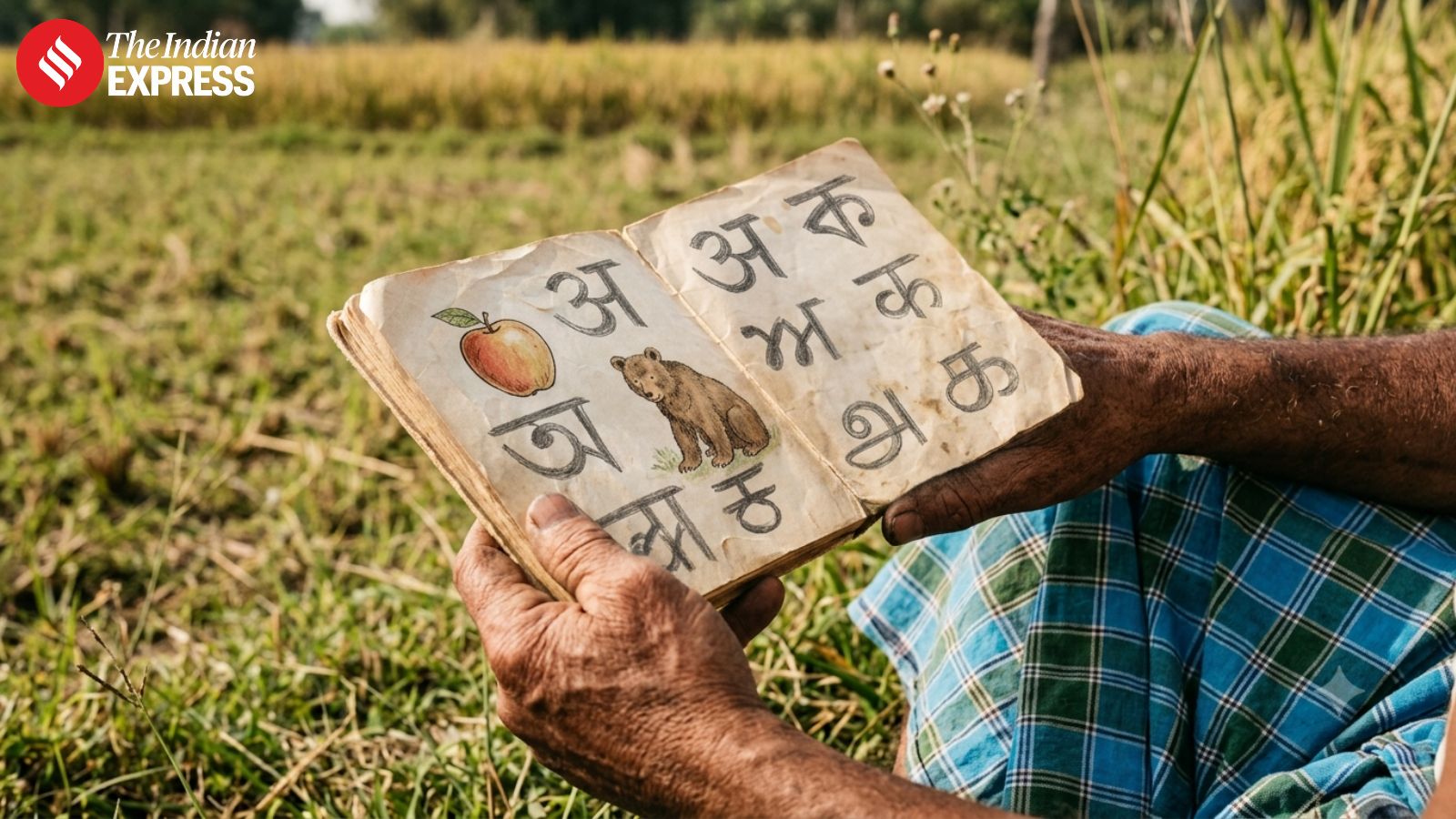
As we observe International Literacy Day 2026, we delve into the evolving landscape of global literacy, the rise of digital skills, and the persistent gaps in education.
- Global literacy rates are rising, yet significant regional disparities persist between developed and developing nations.
- Digital literacy has emerged as a critical secondary pillar alongside traditional reading and writing.
- UNESCO continues to drive the agenda for literacy as a fundamental human right and a tool for sustainable development.
Observed annually on September 8, International Literacy Day serves as a global reminder of the transformative power of education. In 2026, the focus has shifted beyond basic phonetic skills to encompass functional literacy in a technology-driven world.
While global statistics show an upward trajectory in literacy levels, the progress is uneven. Large-scale disparities remain evident in sub-Saharan Africa and parts of South Asia, where socio-economic barriers and gender inequality continue to hinder educational access for millions.
Why This Matters
BozokMedia analysis shows that literacy is the bedrock of economic stability and public health. A literate population is better equipped to navigate healthcare systems, participate in democratic processes, and contribute meaningfully to the modern workforce, effectively breaking the cycle of intergenerational poverty.
Literacy is not just about reading words; it is about reading the world and understanding one's place within it.
Historically, literacy was measured by the ability to sign one's name or read a simple text. However, the modern era demands 'Media and Digital Literacy'—the ability to discern truth from misinformation in an era of AI-generated content.
Comparative Literacy Landscape
| Region | Estimated Literacy Rate | Primary Challenge |
|---|---|---|
| Developed Nations | 99% + | Digital Divide/Information Overload |
| Developing Nations | 70% - 85% | Infrastructure & Access |
| Least Developed Nations | < 50% | Poverty & Conflict |
Looking ahead, the integration of Artificial Intelligence in personalized learning offers a glimmer of hope for reaching remote populations. The challenge lies in ensuring that the technology itself does not become a new barrier to those without internet access.
Frequently Asked Questions
Question 1: Why is literacy considered a human right?
Answer: Literacy is essential for exercising other human rights, such as the right to work, vote, and access information.
Question 2: What is the difference between basic and functional literacy?
Answer: Basic literacy is the ability to read and write simple sentences, while functional literacy is the ability to use those skills effectively in daily life and professional settings.