Children's Academy International School has launched 'Clothes for Conscience,' an initiative empowering students to transform India's massive textile waste into sustainable products using circular economy principles.
- India generates approximately 7.7 million tonnes of textile waste annually.
- Children's Academy launched 'Clothes for Conscience' to integrate sustainability into the curriculum.
- Students are upcycling discarded fabrics into functional bags, jewelry, and accessories.
MUMBAI, India. India is currently grappling with a staggering 7.7 million tonnes of annual textile waste, a volume that places immense strain on the nation's ecological infrastructure. In a proactive move to address this crisis through the lens of education, Children's Academy International School has introduced 'Clothes for Conscience,' a community engagement initiative designed to weave sustainability into the very fabric of its curriculum.
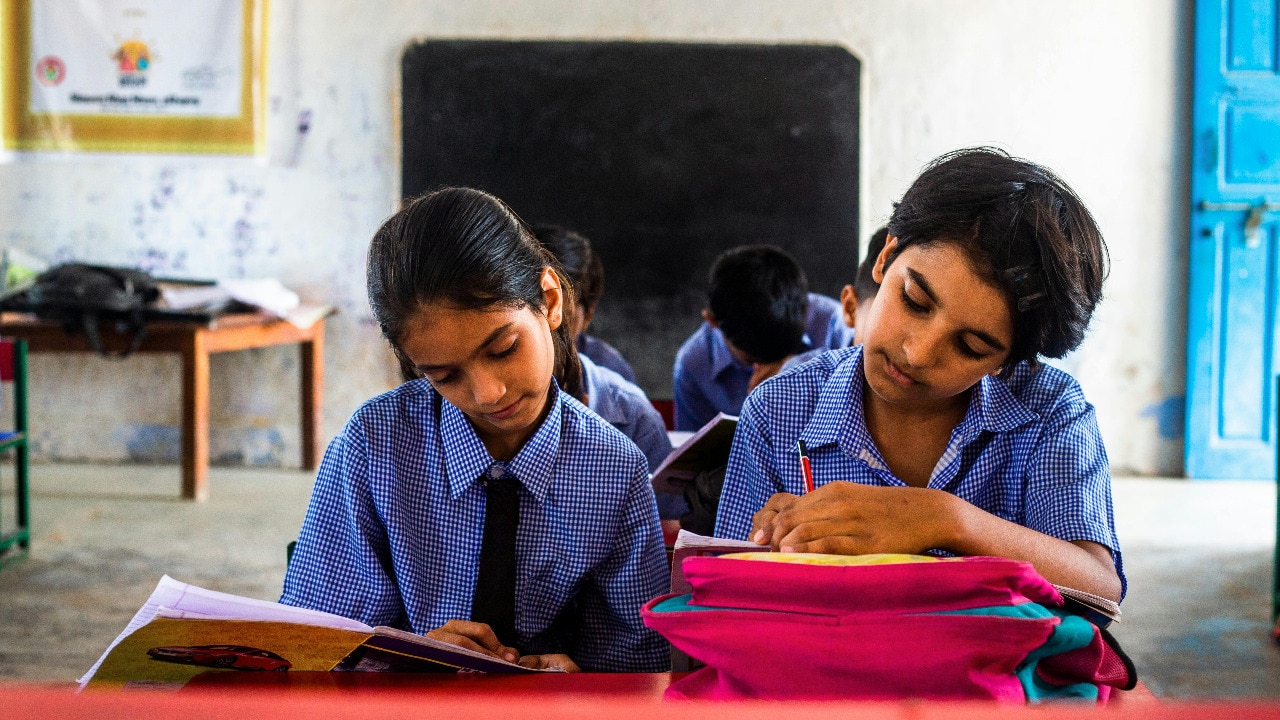
The initiative pushes students beyond the confines of the classroom, urging them to engage with the physical and environmental realities of the textile industry. By studying traditional Indian fabrics and craftsmanship, students are gaining a firsthand understanding of the hidden environmental costs of fast fashion, including severe water pollution and the proliferation of toxic chemical dyes.
Implementing the Circular Economy
At the academy, sustainability is treated as a practical discipline rather than a mere theoretical subject. Students are now applying circular economy principles—a system aimed at eliminating waste and the continual use of resources. By reclaiming discarded fabrics and transforming them into functional goods such as cloth bags and jewelry, students are providing a tangible proof of concept for waste reduction at the local level.
"True environmental stewardship begins when the next generation views waste not as trash, but as a raw material for innovation."
Why This Matters
BozokMedia analysis shows that while global textile waste is estimated at a crushing 92 million tonnes per year, scaling small-scale educational interventions is the only way to shift systemic consumption patterns. This project is essential because it bridges the gap between India's rich textile heritage and the urgent need for contemporary environmental responsibility.
The program specifically engages IBCP (International Baccalaureate Career-related Programme) students, challenging them to scrutinize modern consumption habits. By combining heritage with innovative reuse strategies, the school is preparing future leaders to navigate complex environmental challenges through scalable, practical action.
Frequently Asked Questions
Q1: What is the primary goal of the 'Clothes for Conscience' initiative?
A: The goal is to educate students on the environmental impact of textile waste and empower them to create sustainable alternatives through upcycling.
Q2: Who founded the Children's Academy Group of Schools?
A: The group was founded in 1970 by the late Shri V.V. Bhat, focusing on holistic education in Mumbai and Thane.