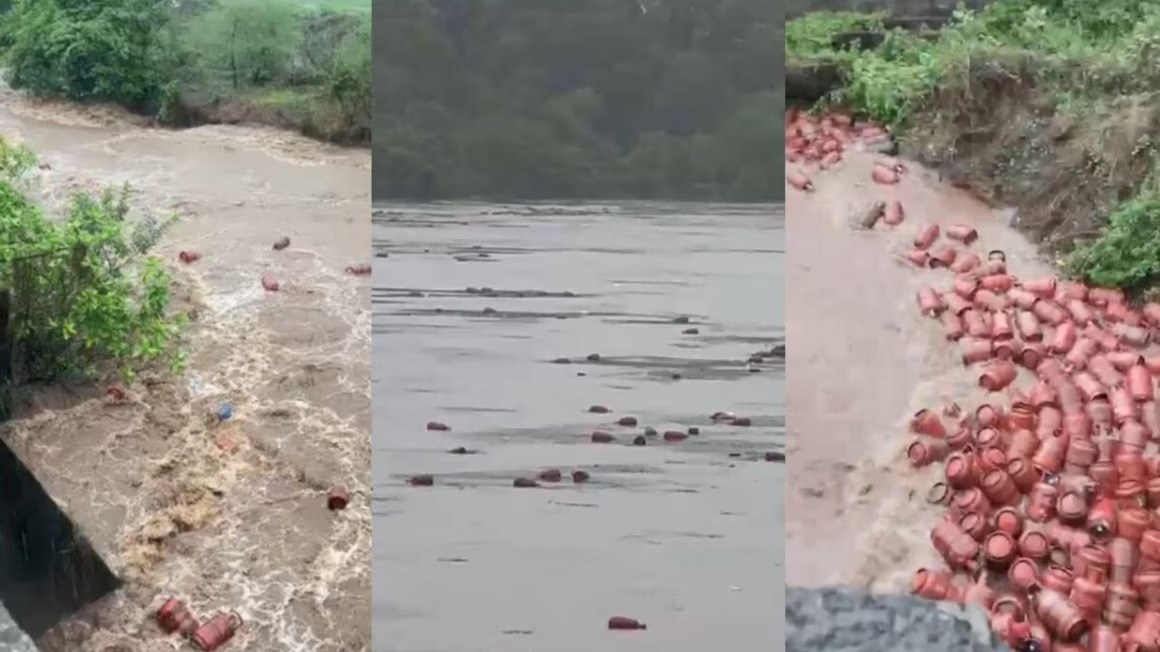
Intense monsoon floods have caused over 3,000 LPG cylinders to drift downstream, contaminating water sources and heightening explosion hazards. Authorities have launched rescue and cleanup operations while promising stricter storage regulations.
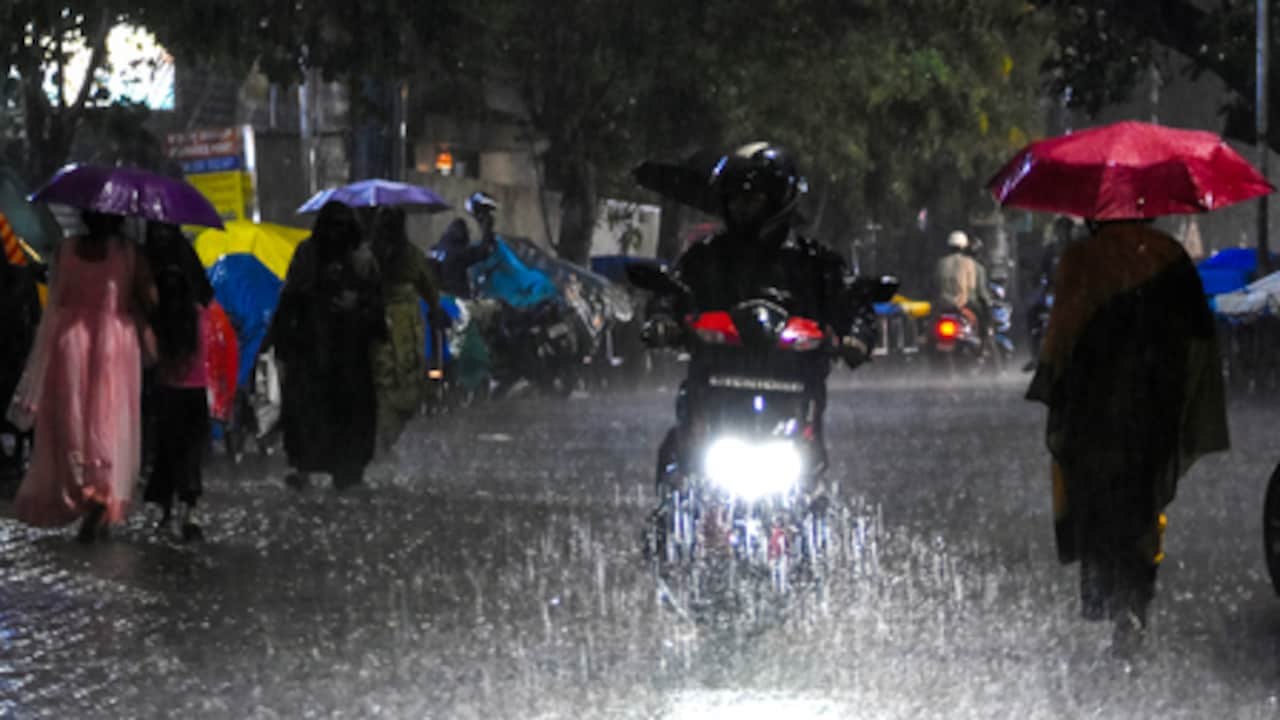
According to the India Meteorological Department, the past fortnight has seen unprecedented monsoon downpours across several states. Rapid flooding overwhelmed villages, warehouses and small workshops where bulk LPG (propane‑butane) cylinders were stored. An estimated 3,000+ cylinders are now floating in the river, sparking urgent concerns over water quality, public health and safety.
Background and Causes
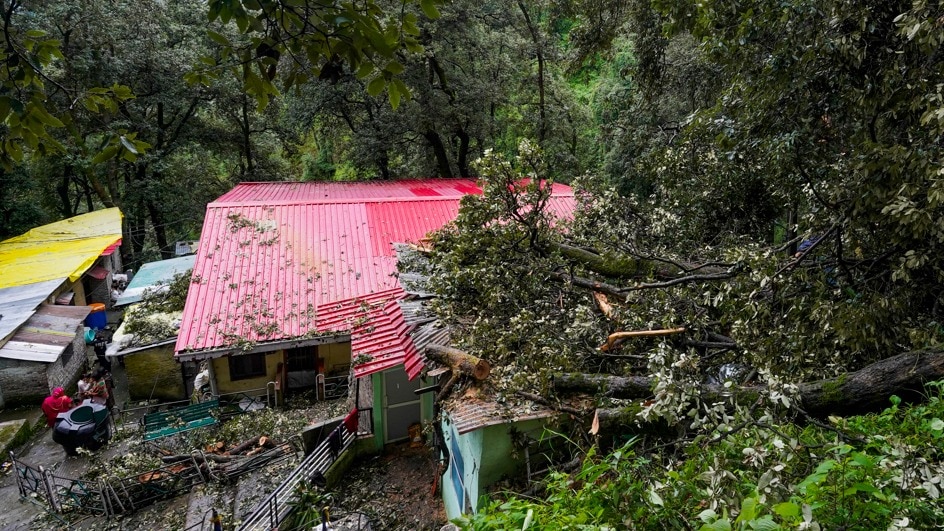
Structural damage to homes and storage sheds forced many cylinders to tumble into the river as roofs collapsed and walls gave way. Residents disclosed that they often purchase cheap cylinders from crowded local markets, but no systematic plan existed to secure them before the deluge. The sudden surge of water left little time for safe removal or relocation.
Environmental and Safety Risks
Beyond the obvious visual hazard, leaking LPG can introduce hydrocarbons into the water column, endangering aquatic life and creating toxic residues for downstream communities. Moreover, pressurised cylinders are prone to explosion if subjected to external impact—such as strong currents or lightning—posing a grave threat to nearby settlements.
Government and Local Response
The state disaster management authority immediately deployed rescue teams and began water‑quality testing in affected stretches. The environmental department ordered special units to retrieve the floating cylinders, while police set up safety perimeters to keep civilians away from the hazardous objects. The state government also announced plans to establish dedicated rural LPG storage hubs to prevent recurrence.
Expert Opinions
Environmental scientist Prof. Anil Mishra warned, “When floodwaters carry dangerous items like gas cylinders, the risk to water ecosystems and human health escalates dramatically. Prompt removal and continuous monitoring are essential to mitigate long‑term impacts.” He advocated a nationwide cylinder‑return system for rural areas, allowing safe collection before extreme weather events.
As monsoon levels begin to recede, coordinated efforts between local administrations and environmental agencies aim to resolve the immediate crisis and devise robust flood‑ready policies. The incident underscores a critical gap in disaster preparedness that must be addressed to safeguard both ecosystems and public safety.