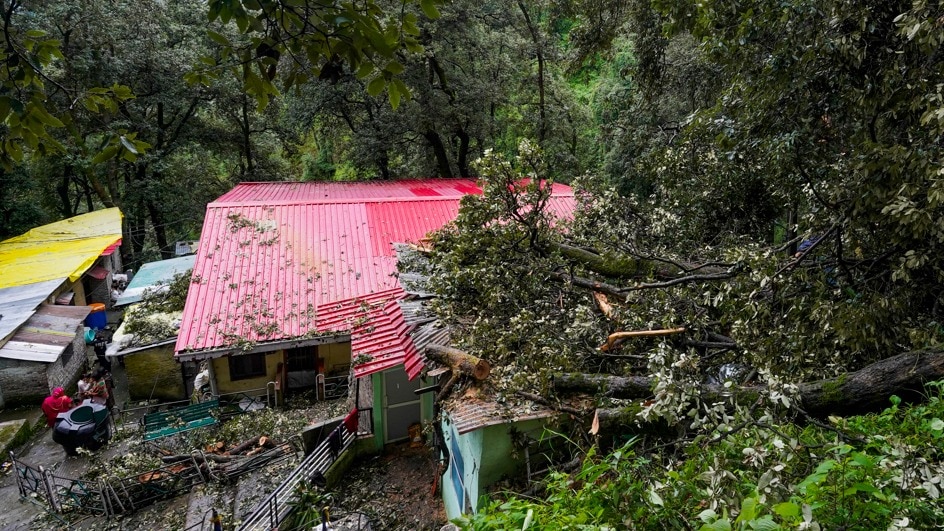
Heavy rains and strong winds triggered a landslip near the KSRTC bus stand in Kodagu, prompting authorities to bar public access to the popular Raja’s Seat from July 9‑12. The move aims to ease traffic congestion and safeguard visitors and locals alike.
The iconic viewpoint Raja’s Seat in Madikeri will be off‑limits to the public from July 9 through July 12, following a landslip that forced officials to reroute traffic through the area. The decision, announced by the Deputy Commissioner’s office, is intended to protect tourists, schoolchildren, and residents from the heightened risk of congestion and accidents.
What Triggered the Landslip?
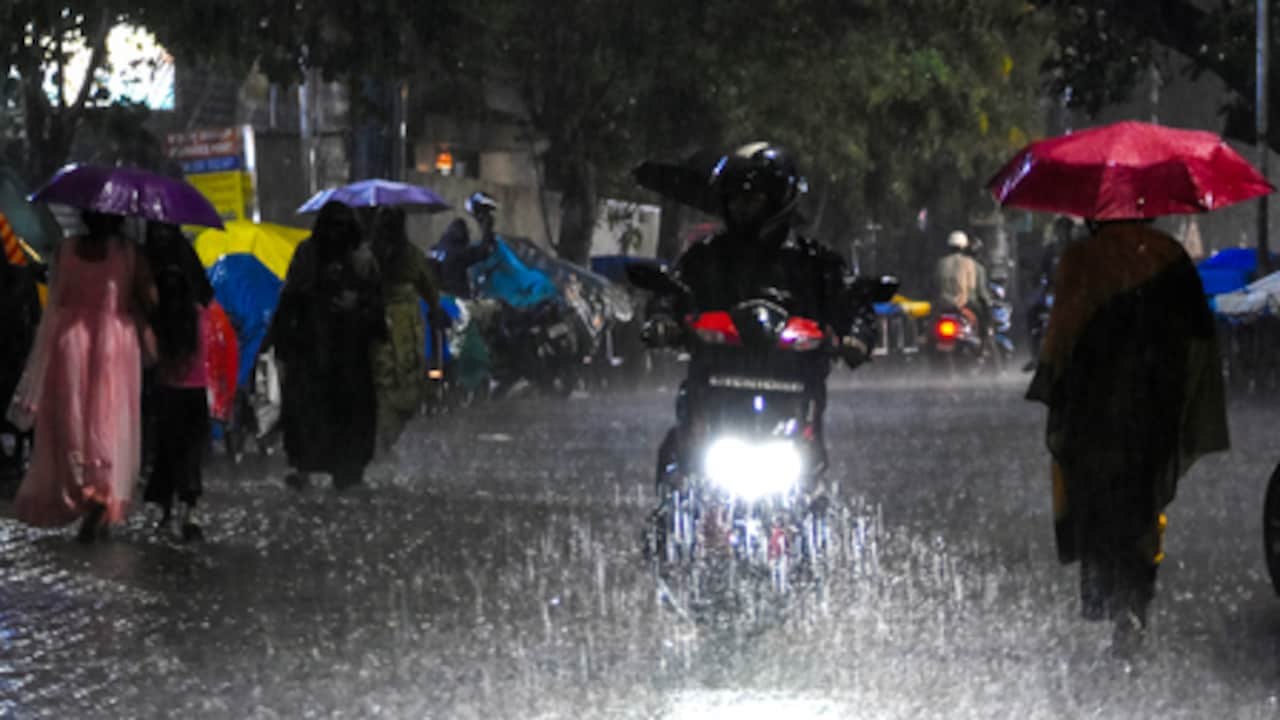
In the past week, Kodagu district experienced relentless monsoon showers coupled with gusty winds, destabilising the soil around the KSRTC bus stand. Geologists attribute the slide to the region’s steep topography and saturated ground, which together created a perfect recipe for a landslip. The incident blocked a key access road, compelling authorities to divert all vehicles exiting the private and KSRTC bus terminals onto Raja’s Seat Road.
Administrative Response and Traffic Management
With the sudden surge in vehicular movement on Raja’s Seat Road, parking near the viewpoint became chaotic, leading to frequent traffic snarls. The Deputy Commissioner’s statement highlighted that the increased volume of cars and buses, combined with ad‑hoc parking by tourists, was disrupting smooth traffic flow. Consequently, the government invoked Section 163 of the Bharatiya Nagarik Suraksha Sanhita 2023, the Disaster Management Act 2005, and Karnataka Motor Vehicles (Amendment) Rules 1990 to prohibit parking and ban public entry.
Impact on Tourism and Local Community
Raja’s Seat is a magnet for both domestic and foreign travelers, contributing significantly to Madikeri’s economy. The temporary closure is expected to affect nearby vendors, guide services, and transport operators. Moreover, a school situated on the same road raises safety concerns for children, as increased traffic could impede safe commuting.
Legal Framework and Future Outlook
The ban is a precautionary measure, not a permanent shutdown. Officials assure that once the road conditions stabilise and the landslip‑affected zone is cleared, normal access will resume. In the interim, alternative routes and parking facilities are being communicated to tourists to minimise inconvenience.
Conclusion
Balancing tourism growth with disaster resilience is a delicate act. By acting swiftly, the administration demonstrates a commitment to public safety while laying the groundwork for more robust infrastructure planning. The episode underscores the need for continuous monitoring of vulnerable hill‑top sites, especially during the monsoon season.