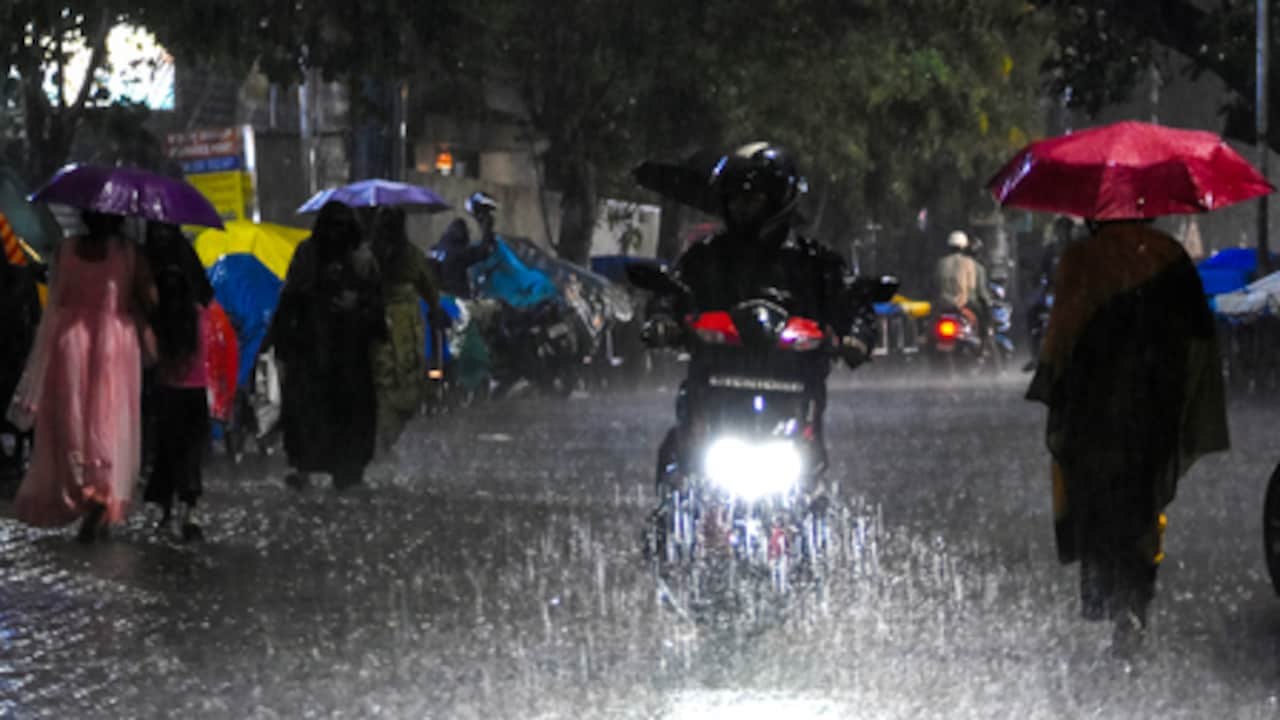
The first eight days of July saw a sharp rise in rainfall across India, even as the seasonal average remains 15.2% below normal. This imbalance has triggered sudden flooding in multiple states despite the overall deficit.
The opening week of July delivered an abrupt surge of rain to several regions of India, while the country’s seasonal rainfall average lingered 15.2 percent below the long‑term norm. This paradox—intense localized downpours amid a below‑average monsoon—has raised alarms among climatologists and policymakers alike.
Why the Monsoon Is Acting Erratically
Over the past decade, the Indian monsoon has increasingly reflected the fingerprints of climate change. Rising sea‑surface temperatures in the Indian Ocean, shifting wind patterns of the Asian monsoon, and fluctuating pressure systems over the Arabian Sea have collectively disrupted the traditional rhythm of rainfall distribution, creating pockets of excess and deficit.
States Grappling with Flooding
In the north, Uttarakhand, Himachal Pradesh and parts of Uttar Pradesh issued flood alerts as mountain streams swelled beyond capacity. West Bengal, Jharkhand and Telangana also reported flash floods that inundated roads and damaged critical infrastructure. Emergency response teams were mobilised, yet the rapid rise of water levels hampered rescue operations.
Agricultural and Economic Ramifications
For farmers, the situation is a double‑edged sword. While some rain‑rich zones enjoy sufficient water for paddy cultivation, rain‑deficient regions confront the spectre of crop loss. The 15.2% shortfall threatens reservoir levels, irrigation canals and groundwater recharge, potentially curbing grain output in the upcoming sowing season.
Government Measures and Future Outlook
The central government activated the National Disaster Management Plan, and the India Meteorological Department pledged real‑time monitoring, early‑warning systems, and detailed flood‑risk mapping. Long‑term strategies focus on boosting water‑storage capacity, modernising irrigation, and promoting drought‑resilient crop varieties to enhance climate resilience.
Bottom Line
The juxtaposition of monsoon bursts with an overall below‑normal rainfall underscores the need for a nuanced approach to water management. As climate volatility intensifies, India must balance immediate relief efforts with sustained investments in water infrastructure and adaptive agriculture.