A delayed southwest monsoon has triggered a fresh wave of landslides across the Western Ghats. Scientists and environmentalists argue that unplanned development, deforestation and disrupted drainage are the root causes, and without accountability the crisis will persist.
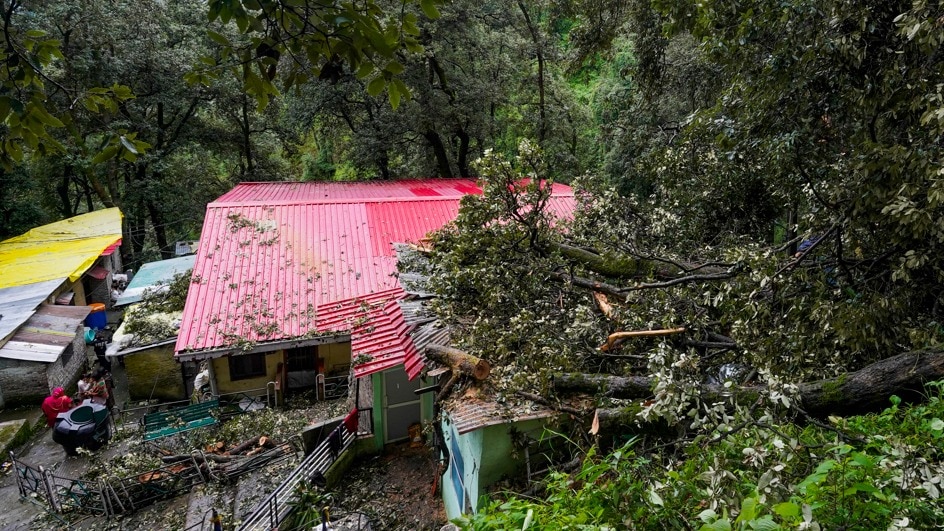
The late arrival of the southwest monsoon has unleashed a series of landslides in the Western Ghats, claiming lives in Kerala’s Wayanad, Karnataka’s Madikeri and Mangalore’s Garodi‑Naguri. Within a few weeks, three people died in a retaining‑wall collapse in Mangalore, while a debris slip in Wayanad also took three lives. These back‑to‑back tragedies are not merely the outcome of heavy rain; they expose deep systemic failures in land‑use planning and environmental governance.
Scientific Diagnosis
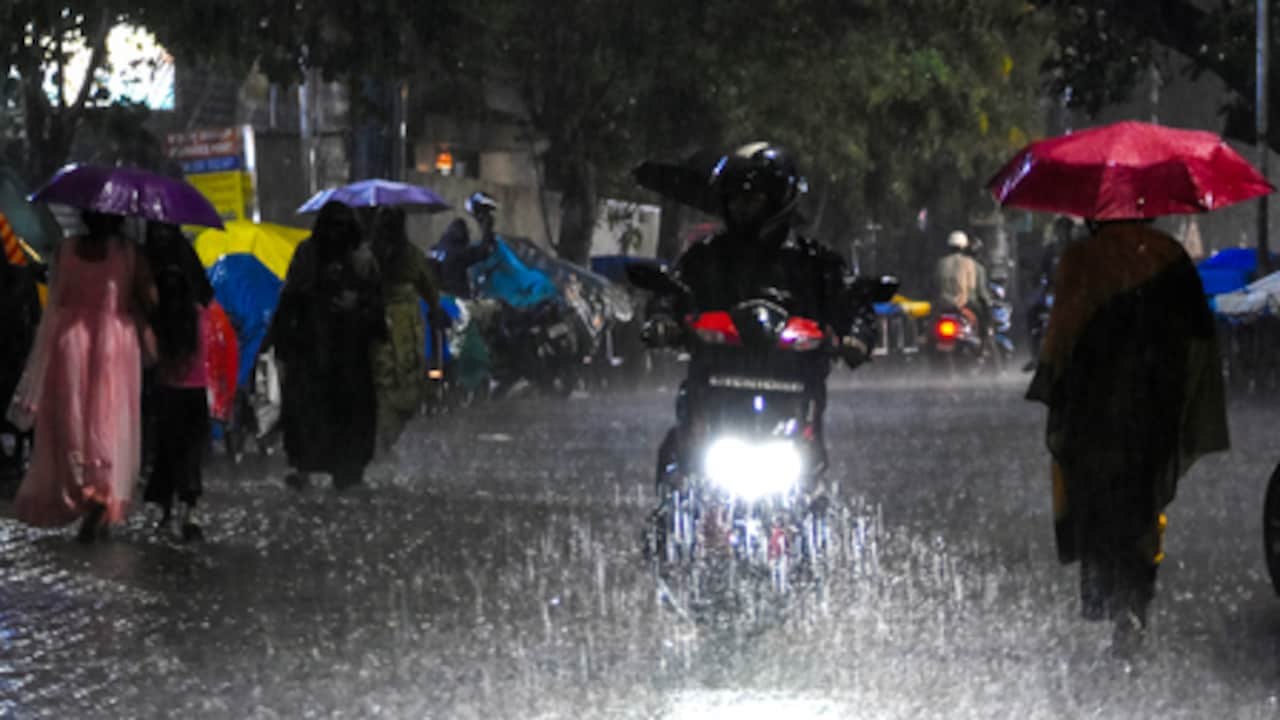
C.S. Patil of the India Meteorological Department explains that the incidents stem from a confluence of geological, meteorological and topographical factors – a massive quantum of rain in a short span, loss of vegetation cover, shallow root systems and fragile soil composition. Complementing this, T.V. Ramachandra from the Centre for Ecological Sciences, IISc, notes that recent climate data show a shift toward higher‑intensity rainfall in the Ghats, a direct trigger for mud‑slides and landslides.
Unplanned Development as the Prime Driver
While intense rain acts as the spark, the fuel is unregulated development. Linear projects—roads, tunnels, four‑lane highways—are being pushed through ecologically sensitive zones without adequate impact assessments. The removal of native forest species, large‑scale land degradation, and the carving of 90‑degree hill cuts have stripped the slopes of the root networks that naturally bind the soil.
Future Risk Projections
A recent IIT Dharwad study titled “Assessing Future Landslide Susceptibility and Risk Escalations Under Changing LULC and Climate Conditions in the Western Ghats of Karnataka” projects a stark increase in both rainfall intensity and urban expansion by 2050. The model flags Uttara Kannada, Kodagu and Chikkamagaluru districts—especially along major transport corridors—as hotspots where landslide risk could surge dramatically.
Voices from the Ground
Environmental activist Nagaraj Koove from Mudigere points to the ongoing construction of four‑lane highways around protected zones, employing “unscientific” methods like abrupt hill cutting. He adds that timber mafias, unchecked resort development, and the replacement of plantations with homestays are accelerating deforestation. Retired Colonel C.P. Muthanna, coordinator of Save Kodagu and Cauvery Campaign, warns that there is a “total disregard for protecting the Western Ghats.”
Collectively, these experts stress that without a robust accountability framework—strict land‑use policies, drainage preservation, and mandatory re‑forestation—landslides will become a recurrent feature of the monsoon season, amplified by climate change.