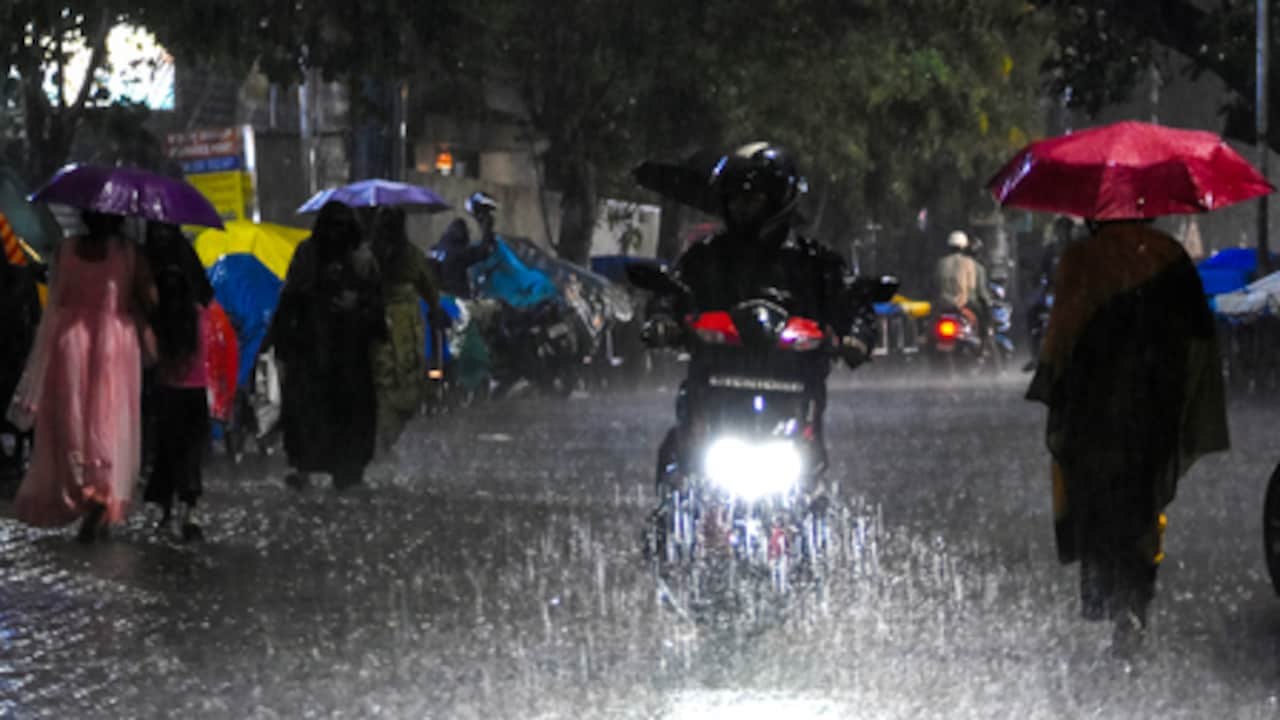
Intense rainfall has inundated major roads, markets and residential complexes across Surat, prompting emergency response from authorities. Citizens are urged to stay vigilant as the city battles widespread waterlogging.
The commercial hub of Gujarat, Surat, witnessed a sudden surge in water levels after a 24‑hour spell of unprecedented downpour. Streets that usually bustle with activity turned into rivers, while markets, housing societies and public spaces were submerged under water reaching several meters, crippling daily life across the city.
Background of the Heavy Rainfall
Surat entered this monsoon season with an unusually aggressive start. Meteorologists traced the deluge to a fast‑moving cyclonic system off the southeastern Arabian Sea, which dumped more than 100 mm of rain within a few hours—double the seasonal average for this period. Such extreme precipitation often overwhelms existing drainage infrastructure, leading to rapid water accumulation.
Infrastructure Strain and Drainage Challenges
The city’s drainage network, originally designed in the 1990s, now struggles under the weight of a burgeoning population and accelerated urbanization. Clogged culverts, illegal dumping of waste, and unplanned construction have severely restricted water flow. Consequently, during heavy rains, water finds no outlet and pools in low‑lying streets and residential blocks.
Administrative Response and Relief Measures
Local authorities have launched an immediate relief operation. Portable pumps are being deployed across flood‑hit zones, temporary shelters are set up for displaced families, and emergency food and water kits are distributed. Police have also cordoned off water‑logged areas to prevent accidents and unauthorized entry.
Future Outlook and Policy Recommendations
Experts warn that Surat’s experience is a harbinger of climate‑driven challenges confronting fast‑growing Indian metros. Upgrading the antiquated drainage system, expanding green cover, and enforcing strict construction regulations are essential steps. Without decisive action, similar or even more severe flooding could become a recurring threat.