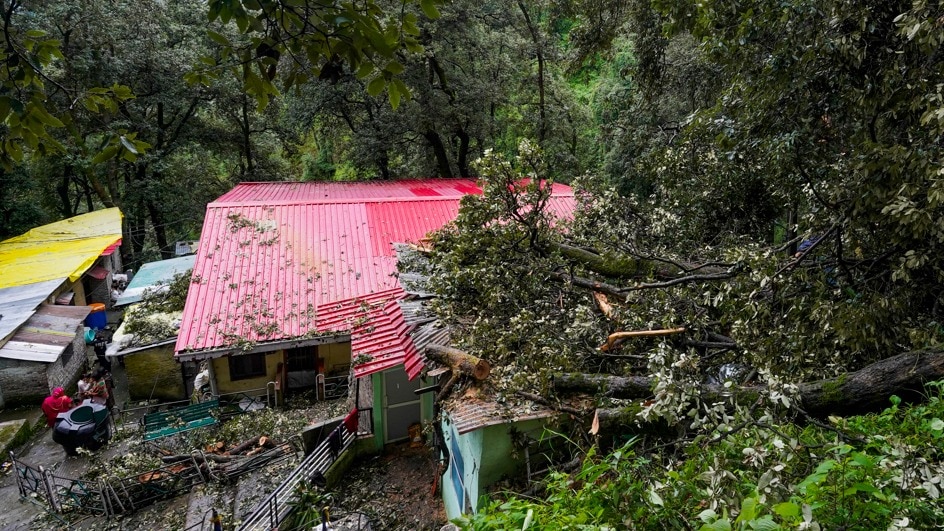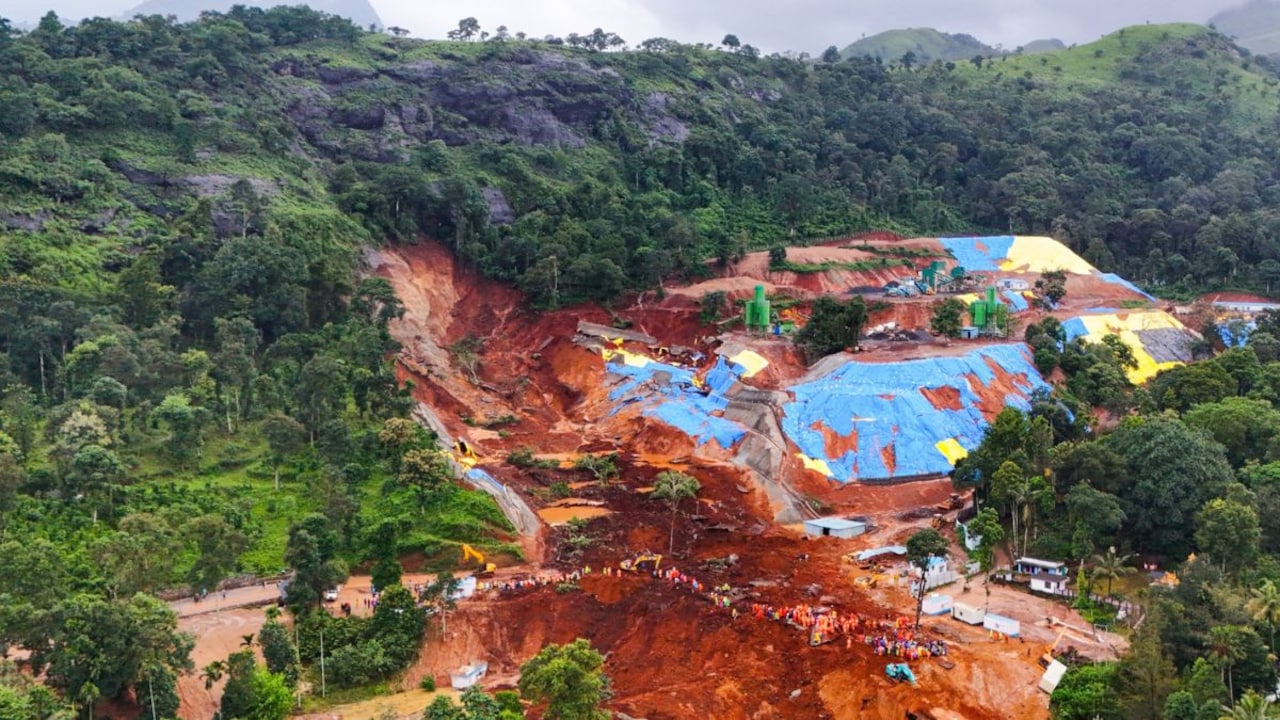
Following the recent landslide in Wayanad, experts warn that ignoring repeated contractor warnings could trigger an even larger disaster. Public Works Minister PK Basheer confirmed that orders to remove accumulated soil had been issued multiple times.
The catastrophic landslide that struck Kerala's Wayanad district in October 2023 claimed numerous lives and devastated the region. Beyond the immediate human toll, the event has sparked a nationwide debate on the safety of infrastructure projects in geologically vulnerable zones.
Series of Repeated Warnings
Public Works Minister PK Basheer affirmed that the construction contractor received several official directives to clear the piled soil. Government records show written and verbal orders were dispatched in late 2022 and again in early 2023, urging the contractor to dismantle the hazardous mound before the monsoon season intensified.
Contractor's Neglect and Its Fallout
Despite these clear instructions, the contractor failed to act. Experts argue that this lapse was not merely a technical oversight but a glaring neglect of environmental risk assessment. Heavy rains, compounded by climate‑change‑driven variability, heightened the danger, making proactive mitigation indispensable.
Expert Warning of a Larger Catastrophe
In the aftermath, geologists and disaster‑management specialists warned that continued complacency could precipitate a far more severe calamity. They stress that any future development in landslide‑prone terrains must be preceded by rigorous geotechnical studies and continuous monitoring.
Policy Response and Future Measures
The government has pledged to empower the state disaster management board, enforce stricter compliance checks on contractors, and launch community awareness campaigns. Additionally, there is growing momentum to embed mandatory environmental impact assessments into the approval process, especially as climate change reshapes risk landscapes.
The Wayanad tragedy underscores the critical need for a balanced approach that fuses engineering expertise, ecological vigilance, and accountable governance to avert future disasters.