The Bangalore Water Supply and Sewerage Board (BWSSB) says the city can meet its water needs for the next three to four months using existing Cauvery supplies. Yet experts warn that recurring climate volatility calls for sustainable, long‑term water management reforms.
Water security in Bengaluru has once again become a headline issue as erratic monsoon patterns strain the city’s supply chains. The Bangalore Water Supply and Sewerage Board (BWSSB) reports that current daily draw from the Cauvery is about 1,900 MLD (million litres per day), with an additional 300 MLD of reserve capacity. Including the new Cauvery V stage, total available water rises to 2,225 MLD, which, according to officials, can comfortably meet demand for the next three‑to‑four months even without rainfall.
Current Hydrological Situation
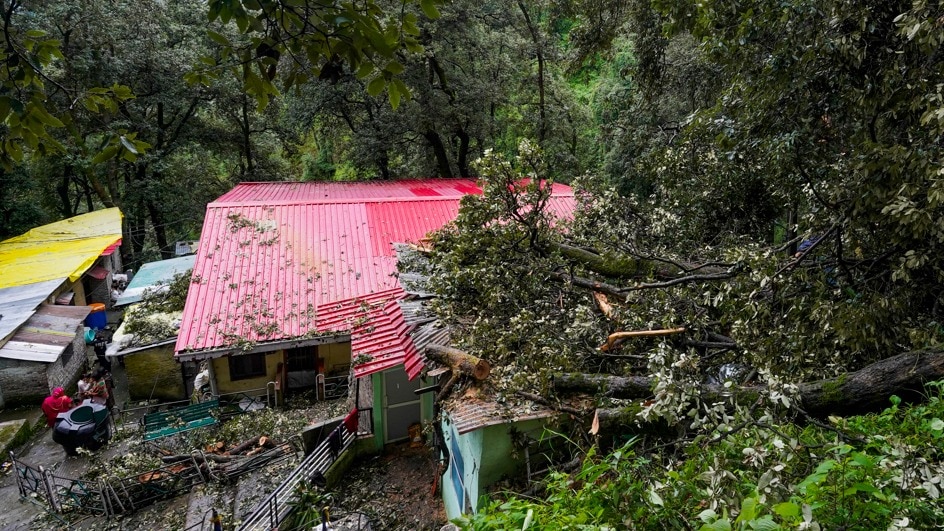
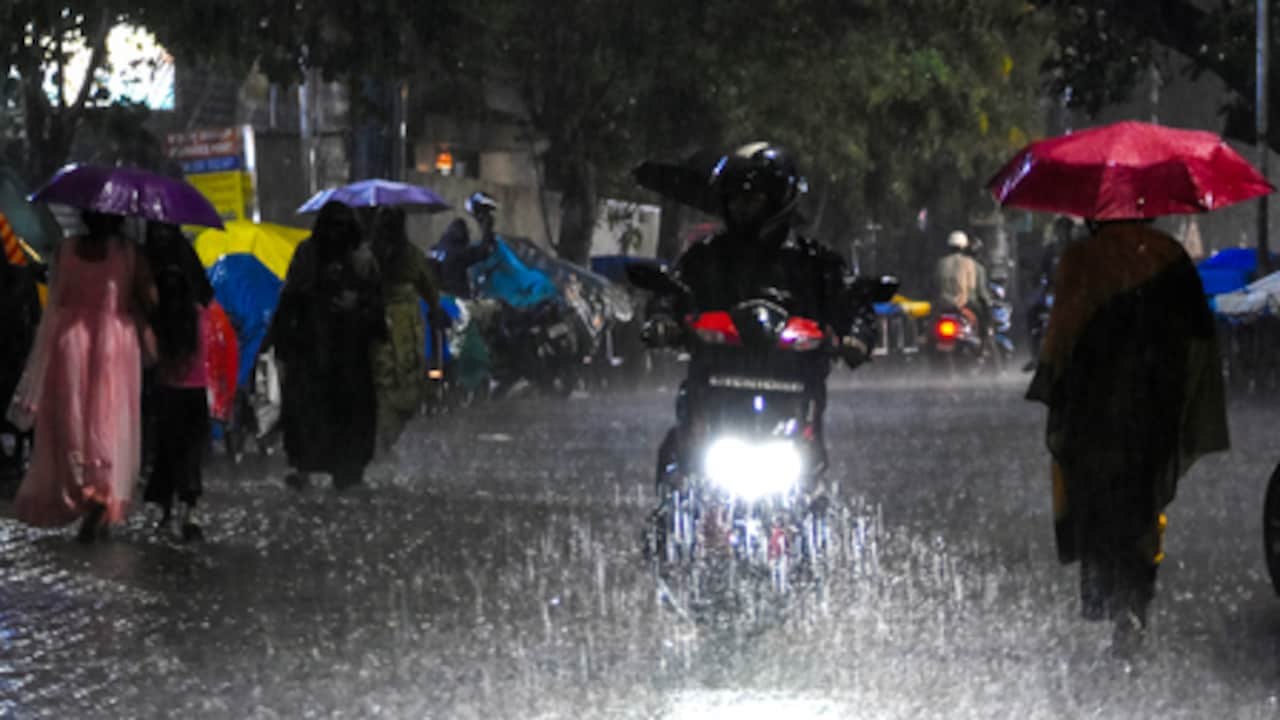
From June 1 to July 9, Bengaluru Urban recorded a 35 % shortfall against normal rainfall, while South Interior Karnataka lagged by 24 %. This deficit threatens not only drinking‑water supplies but also power generation that relies on hydropower reservoirs.
Groundwater Depletion and Borewell Dependence
BWSSB chairperson Manjula N. acknowledged that localized water stress stems mainly from over‑extraction of groundwater and heavy reliance on borewells. She emphasized that real‑time monitoring of reservoir levels, demand patterns, and groundwater conditions is ongoing, and that the Cauvery system can sustain the city’s needs barring an extreme, rain‑free stretch.
Expert Recommendations for Sustainable Management
Senior Fellow Priyanka Jamwal of the Ashoka Trust for Research in Ecology and the Environment highlighted that erratic rainfall amplifies urban water insecurity, pushing vulnerable communities toward costly tanker water. She stressed the public‑health risks of borewell‑sourced tanker water, which can be contaminated by nearby sewage or industrial effluents.
Jamwal noted a positive shift since the 2024 crisis: heightened awareness of water circularity, decentralized wastewater treatment, and reuse of treated effluent for non‑potable purposes. High‑rise residential complexes are increasingly treating and recycling wastewater for flushing and landscaping, thereby easing pressure on fresh‑water sources.
Efforts to curb system losses—such as pipe leakages, illegal extraction, and non‑revenue water—are also gaining momentum. These efficiency gains are crucial for extending the lifespan of existing supplies while new sources are developed.
Collaborative Path Forward
Collaboration among BWSSB, the Greater Bengaluru Authority (GBA), the Climate Change Cell, civil‑society groups, researchers, and local residents is now more robust. Jamwal concluded, “Only a coordinated, policy‑driven approach that integrates groundwater regulation, water‑circularity, and resilient infrastructure can secure Bengaluru’s water future.”