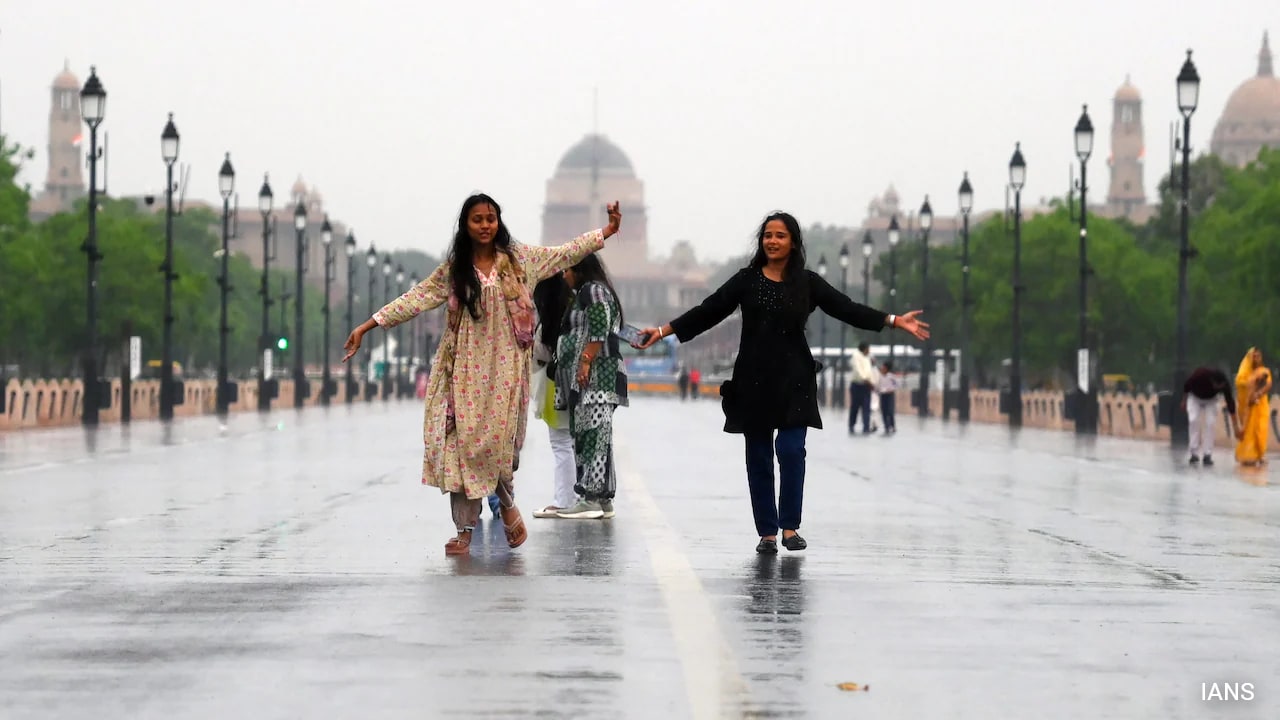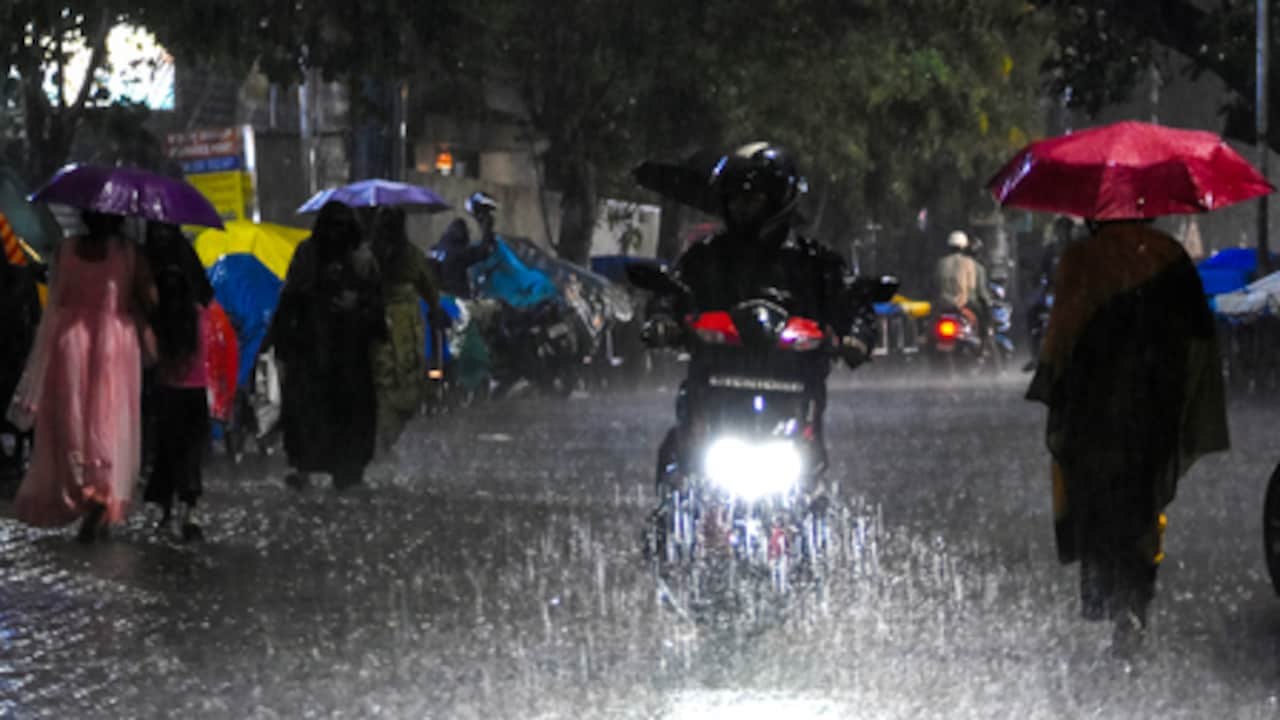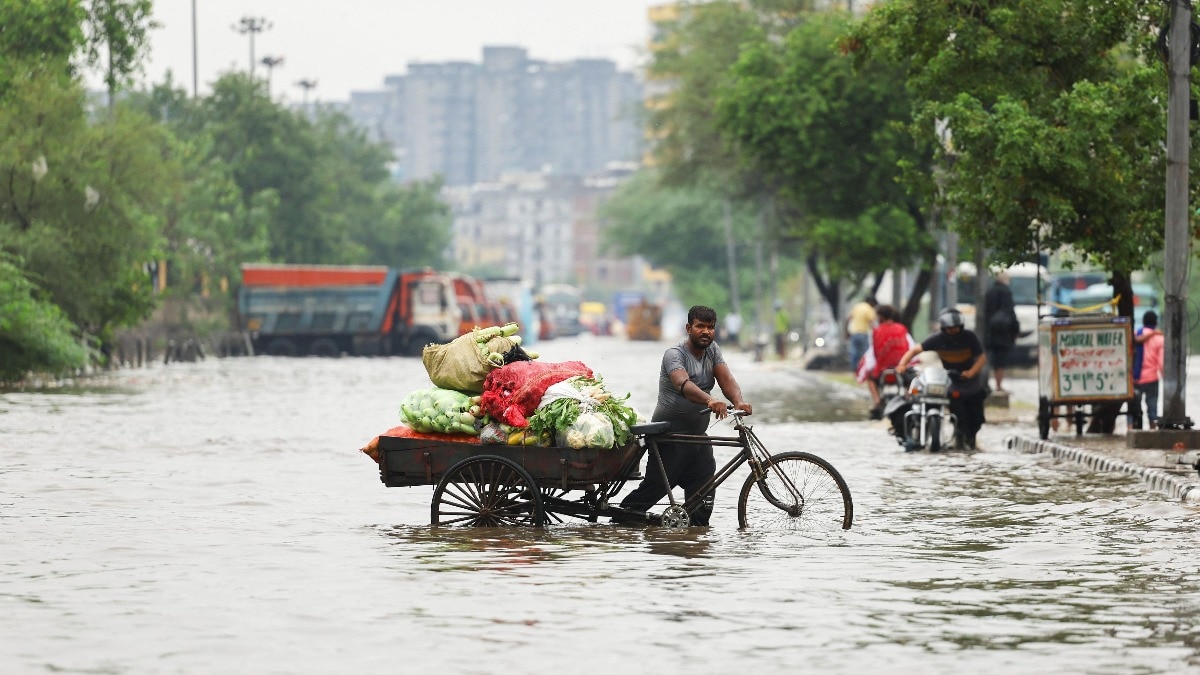
On July 9, 2026 Delhi recorded 72.6 mm of rain—the second‑wettest for that date in 16 years—triggering citywide flooding. The event underscores chronic drainage shortcomings and shifting climate patterns.
On July 9, 2026, Delhi's Safdarjung weather station logged 72.6 mm of rain within 24 hours, marking the second‑wettest July 9 in the past sixteen years. The deluge drove temperatures down by 6‑8 °C and inundated key arteries such as the Mehrauli‑Badarpur road, NH‑24 near Akshardham, and the Delhi‑Noida Expressway.
Historical Context and Seasonal Inconsistency
Data from the Indian Meteorological Department (2011‑2025) reveal that out of 465 July days, 236 were completely rain‑free. Over half of July’s days saw no precipitation, while 70 % of the month’s total rainfall arrived in a single 24‑hour burst. This pattern leaves Delhi oscillating between sudden, intense downpours and prolonged dry spells.
Underlying Drainage Deficiencies
Experts point to the city's antiquated storm‑water drainage network as the primary cause of flooding. Existing drains are designed to convey a month’s worth of rain in a single afternoon, yet the reality often concentrates more than 70 % of monthly rainfall within a few hours, overwhelming the system and amplifying infrastructure damage, health risks, and economic loss.
Future Outlook and Policy Recommendations
The IMD forecasted isolated heavy rainfall for Delhi between July 10‑13, which could further strain the already overburdened drains. Sustainable urban planning must prioritize expanding green spaces, deploying smart water‑management technologies, and promoting rainwater harvesting to mitigate future crises.
Conclusion: Climate Meets Infrastructure
While climate change fuels erratic monsoon behavior, Delhi’s drainage woes are rooted in decades‑old planning oversights. Without decisive upgrades, the capital risks experiencing more frequent ‘ambush‑style’ floods, turning what was once an occasional inconvenience into a regular urban emergency.