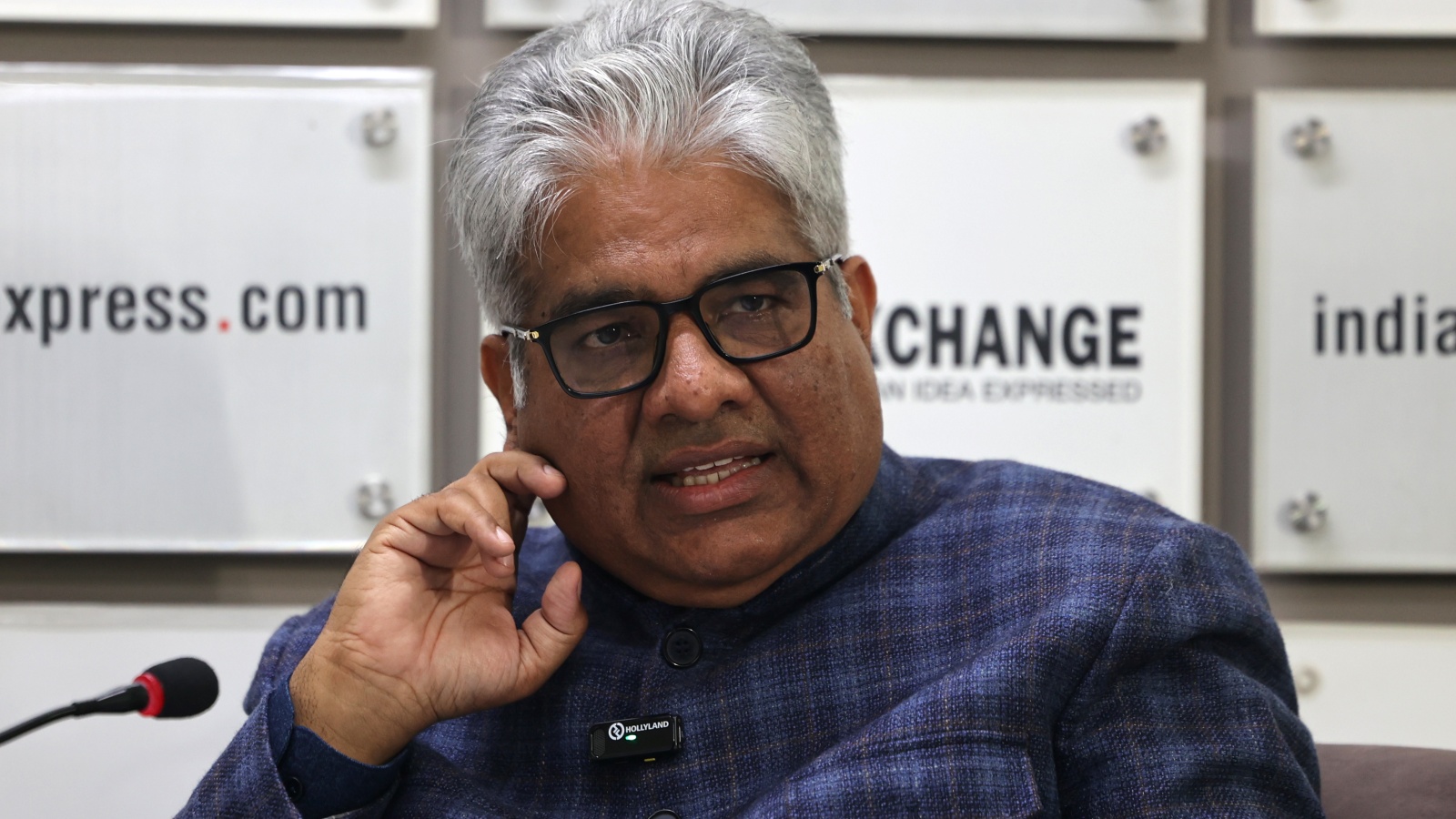
Union Environment Minister Bhupender Yadav chaired four key wildlife body meetings in Coimbatore, assessing more than 100 development proposals. He also announced that the second Great Indian Bustard chick raised through the ‘jump‑start’ method in Gujarat has passed its crucial first 40 days.
New Delhi – On July 10, 2026, Union Environment, Forest and Climate Change Minister Bhupender Yadav presided over four pivotal meetings in Coimbatore, bringing together members of the Standing Committee of the National Board for Wildlife (SC‑NBWL), the National Tiger Conservation Authority (NTCA), the Central Zoo Authority (CZA) and the Wildlife Institute of India (WII). The agenda centered on reviewing more than 100 development proposals for wildlife clearance.
Agenda and Scope of the Proposals
SC‑NBWL listed a total of 118 proposals, comprising 24 defence‑related projects, 23 road‑and‑bridge schemes, 12 power‑transmission lines and several other infrastructure initiatives. According to a government press note, each proposal was evaluated on ecological impact, public welfare, national development relevance and the adequacy of mitigation measures. The overarching goal is to safeguard wildlife and their habitats while accommodating India's pressing developmental needs.
Great Indian Bustard ‘Jump‑Start’ Success
Following the meetings, the minister tweeted that the second Great Indian Bustard (GIB) chick, hatched on May 21 in Naliya, Gujarat, using the ‘jump‑start’ technique, has survived the critical 40‑day period. The method involves transporting a fertile egg from a captive‑breeding centre to replace an infertile egg at the release site, where a resident female GIB incubates it. This technique, previously employed in Rajasthan’s Jaisalmer district, aims to re‑wild captive‑bred bustards and expand the species’ dwindling range, now limited to Rajasthan and Gujarat.
Pygmy Hog Inclusion and Broader Conservation Strategies
The SC‑NBWL also deliberated on adding the Pygmy Hog to the Ministry’s Species Recovery Programme, a targeted effort for species on the brink of extinction. In addition, long‑term strategies for the Greater One‑horned Rhinoceros and the Great Indian Bustard were discussed, emphasizing habitat protection, corridor creation and community participation.
Implications for Sustainable Development
These meetings signal a decisive shift toward integrating wildlife conservation into India’s infrastructure planning. Conservation experts warn that without robust mitigation, large‑scale projects can irreversibly damage critical habitats. Yadav’s coordinated approach could serve as a template for future policy, ensuring that economic growth does not come at the expense of the nation’s biodiversity.