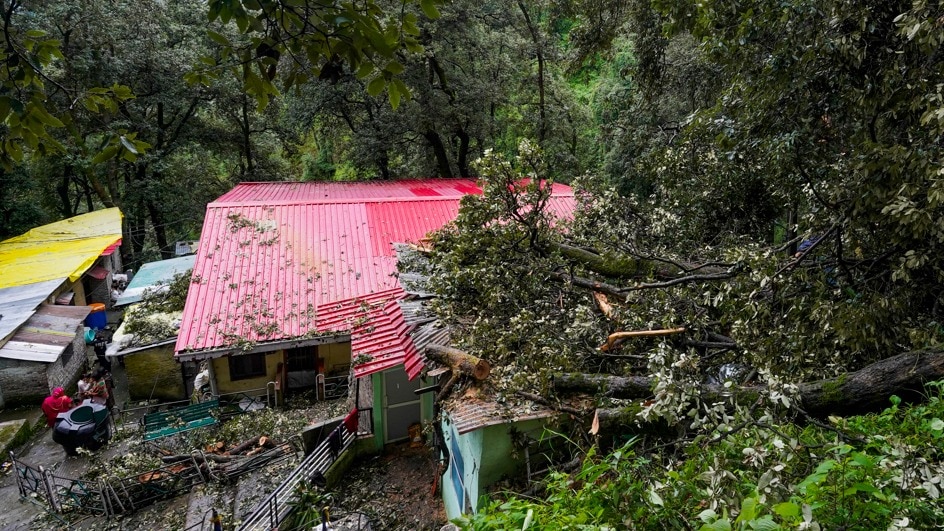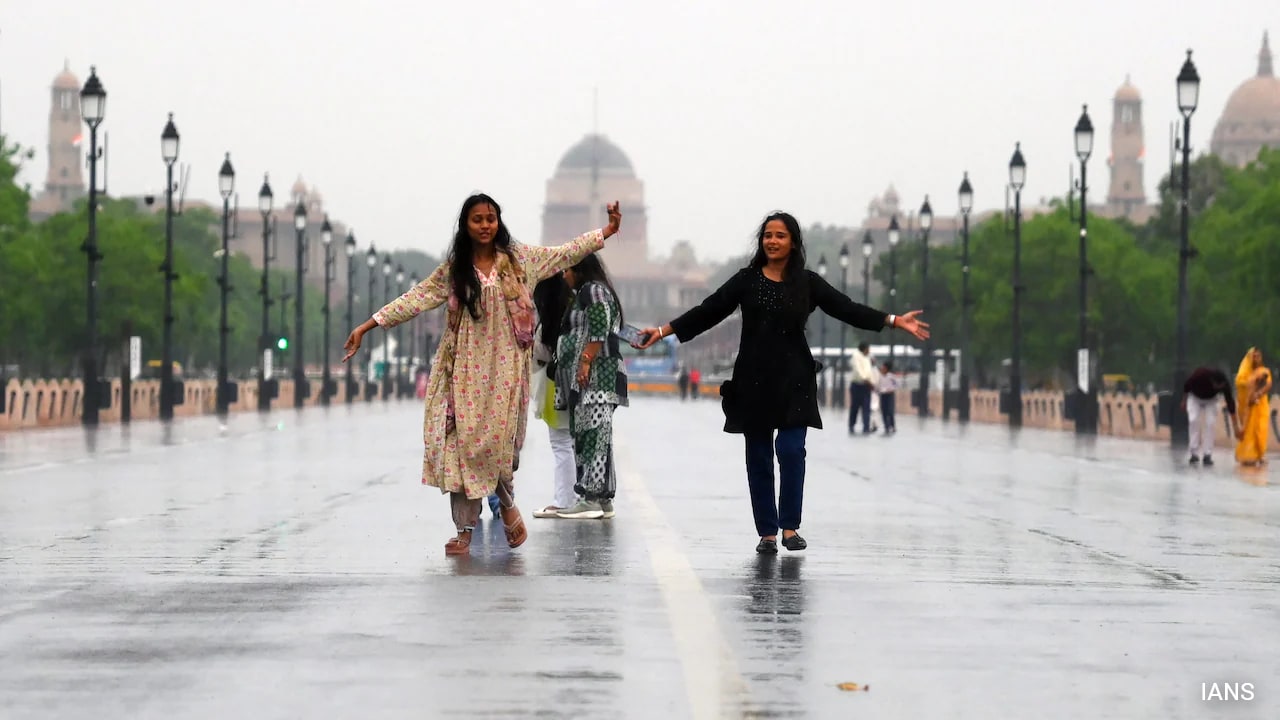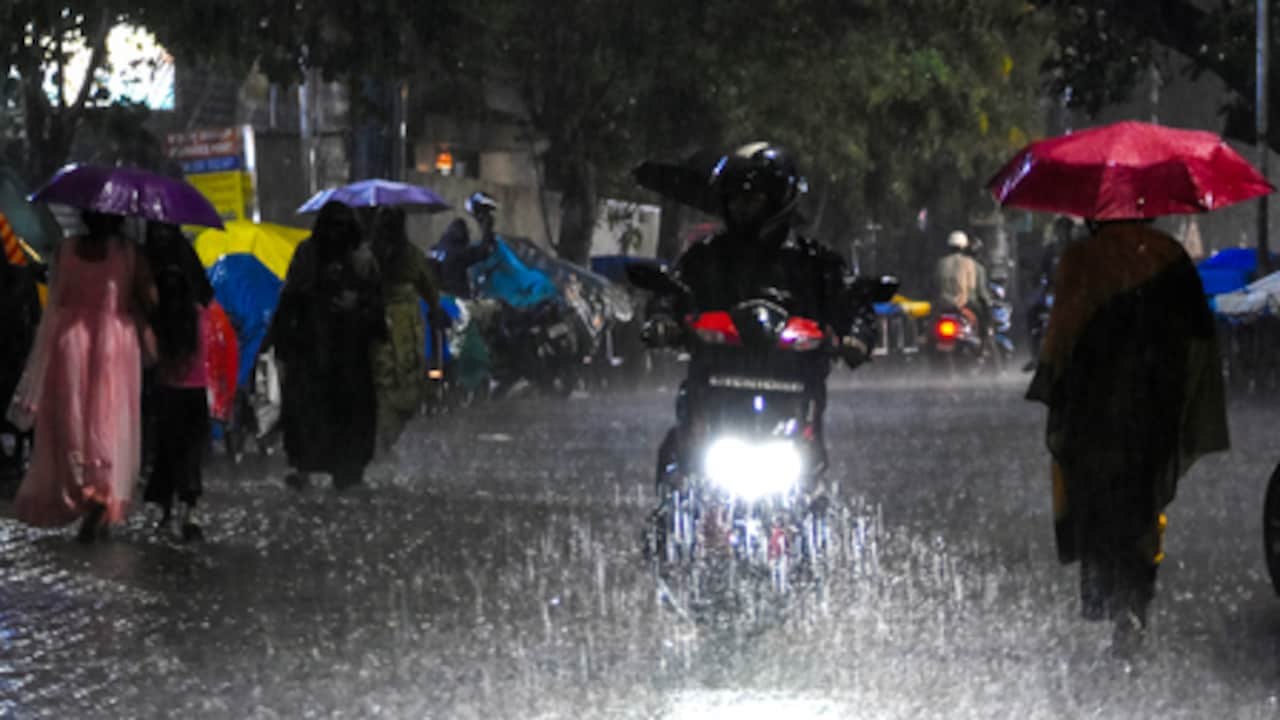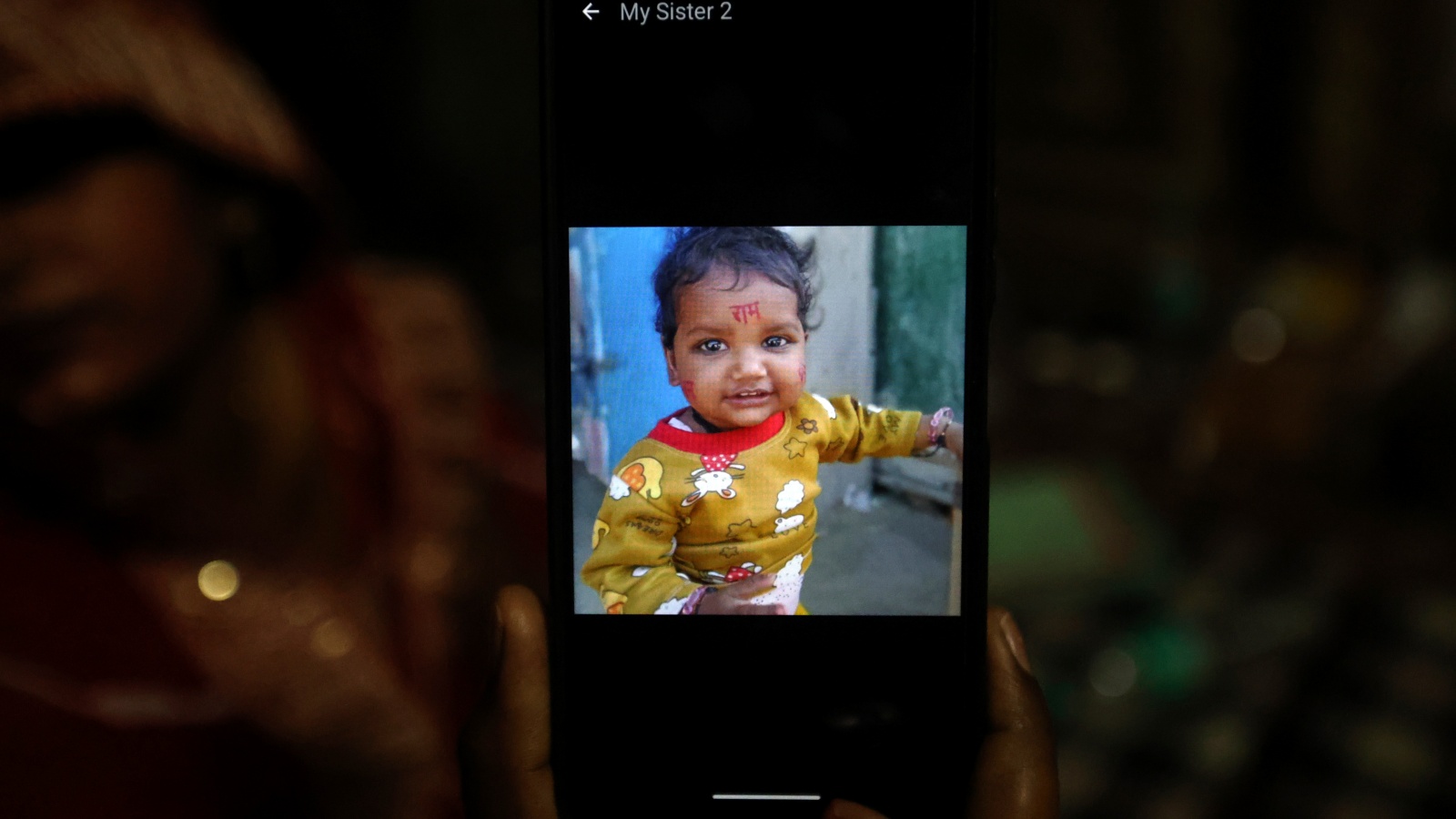
A three‑year‑old girl in Ghaziabad and a seven‑year‑old boy in Delhi's Samaypur Badli drowned after sudden water accumulation from relentless rain. Authorities cite inadequate drainage and delayed rescue as key factors.
Intense monsoon showers on Thursday swelled water levels to two‑three feet in parts of Ghaziabad, Uttar Pradesh and Delhi’s Samaypur Badli. The rising waters claimed two young lives – three‑year‑old Manvi in Ghaziabad and seven‑year‑old student Rehan in Delhi.
How the Tragedy Unfolded
In Ghaziabad’s Sarvodaya Nagar, the toddler followed her father out of the house. Within minutes, she was found submerged in the rain‑filled courtyard, having drowned before rescue could arrive. Police reported that overnight rains had flooded the entire house, and the child slipped into a shallow drainage while her mother was cleaning the area.
Delhi’s Parallel Incident
In Delhi’s Sanjay Colony, seven‑year‑old Rehan accompanied his younger brother to a vacant plot that had become a water‑logged pit. While his brother returned home, Rehan ventured deeper into the standing water and was unable to surface. His mother discovered his water‑filled bottle on the plot’s stone fence, prompting a frantic search that ended with the boy’s body recovered from the pit. He was rushed to Burari Hospital, where doctors pronounced him dead.
Historical Context of Similar Accidents
Local residents recall that this is not the first time rain‑water has turned fatal. Four years ago, a school‑going boy drowned in a drain, his body found 1.5 km away from the site. Such recurring incidents have sparked protests along NH‑9, demanding better drainage and safety measures.
Systemic Challenges and Recommendations
According to the Indian Meteorological Department (IMD), Ghaziabad’s Hindon recorded 28.5 mm of rainfall, while Kamla Nehru Nagar logged 31.5 mm on the same day. Aging storm‑water infrastructure, clogged drains, and unregulated construction have amplified the impact of heavy rains. Experts argue for real‑time monitoring of water levels, regular desilting of drains, and the creation of designated water‑collection zones to mitigate future risks.
State authorities and municipal bodies must prioritize immediate rescue operations while simultaneously investing in long‑term urban planning that integrates robust flood‑management systems. Without decisive action, vulnerable children and residents will continue to face life‑threatening hazards during monsoon seasons.