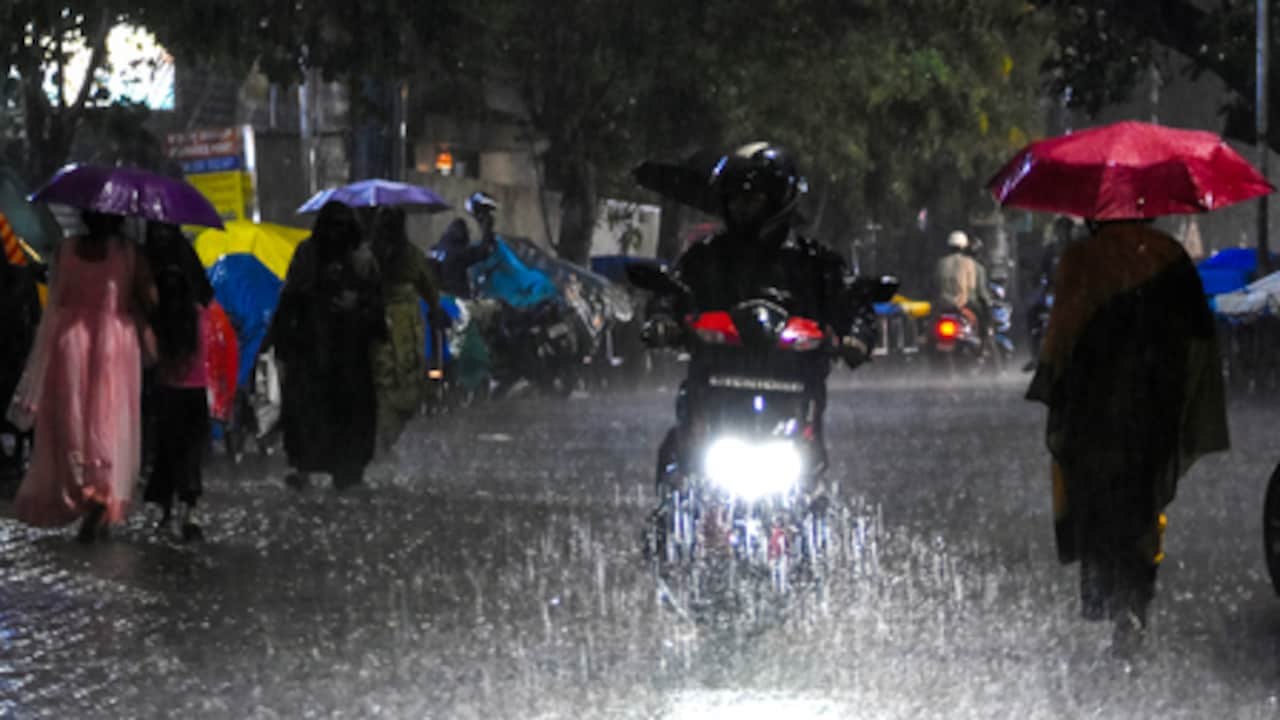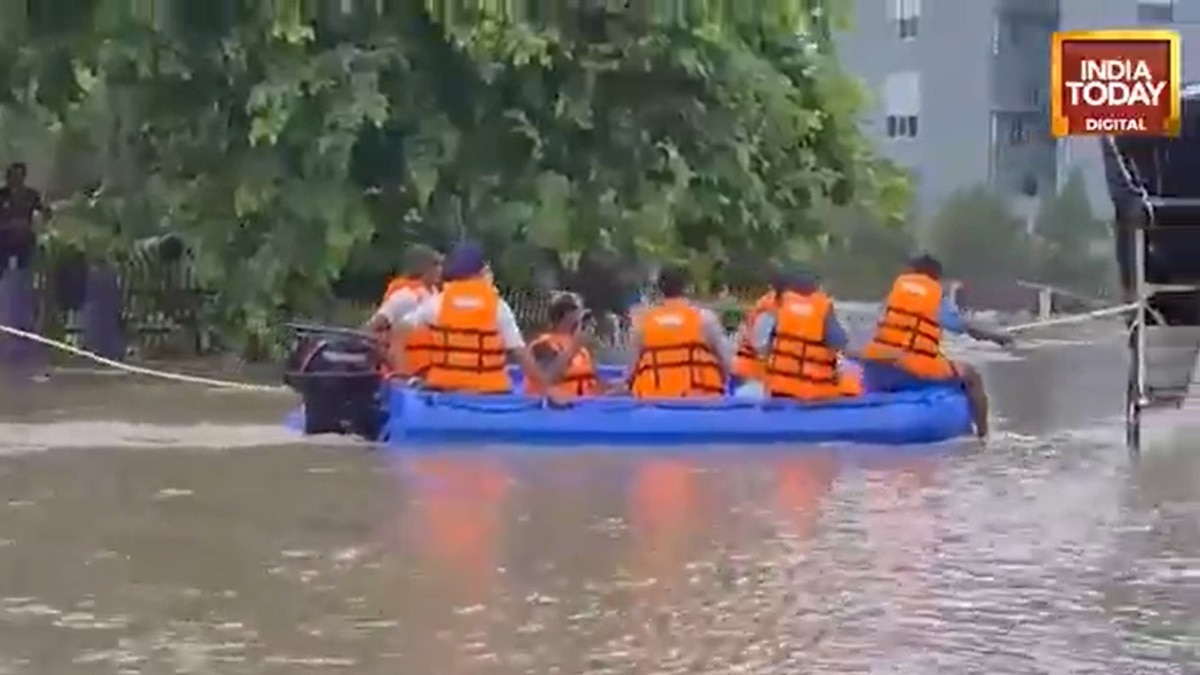
Relentent downpours in Gurugram have led to widespread waterlogging, crippling traffic across major routes. The police have urged companies to allow remote work while the Indian Meteorological Department has issued an orange alert for continued heavy rain.
Gurugram, Haryana – Since early Thursday morning, relentless heavy rain has inundated large swathes of the NCR satellite city, creating severe waterlogging and gridlock on its arterial roads. Emergency responders report water depths of up to 30 cm on several thoroughfares, forcing autos, buses and private vehicles to crawl at crawl speed.
Current Situation and Police Directive
The Gurugram Police promptly issued a public advisory, asking all corporate firms to permit employees to work from home until conditions improve. The directive aims to safeguard lives while limiting economic disruption. Police also warned commuters that navigating flooded streets poses a high risk of accidents and urged the public to use alternative routes.
Indian Meteorological Department’s Orange Alert
The India Meteorological Department (IMD) has placed Gurugram under an orange alert, forecasting continued heavy rainfall throughout the day. Projections indicate more than 50 mm of rain in the next 24 hours, potentially raising water levels further. IMD highlighted that neighborhoods with outdated drainage systems are especially vulnerable to rapid flooding.
Historical Context and Future Challenges
Rapid industrial and residential expansion over the past two decades has stretched Gurugram’s drainage infrastructure beyond its design capacity. Although remedial measures were launched after the 2019 floods, the current deluge exposed lingering gaps. Climate‑change‑driven erratic monsoon patterns now make intense, short‑duration storms a new norm, demanding a comprehensive overhaul of urban water‑management strategies.
Economic and Social Impact
Water‑logged markets, shopping complexes and small businesses have reported significant losses, while employees face disparities in access to reliable home‑office setups. The local merchants’ association warned that repeated incidents could slash daily revenues by up to 30 %. Schools and hospitals also experienced temporary shutdowns, adding strain to essential services.
Authorities stress the importance of heeding IMD warnings and adopting immediate safety measures. In the longer term, they advocate for modernising drainage networks, expanding green cover and embedding climate‑resilient planning into the city’s growth blueprint.