The India Meteorological Department (IMD) predicts a swift advance of the southwest monsoon over the next two to three days, bringing continuous rain, thunderstorms, and possible flooding in Delhi, Mumbai, and north‑west India. While the downpour promises relief from soaring temperatures, it also raises concerns over waterlogging and infrastructure strain.
The India Meteorological Department (IMD) issued a special weather bulletin on July 9, 2026, indicating that favourable atmospheric conditions will allow the southwest monsoon to move into the remaining parts of the North Arabian Sea, Rajasthan, Haryana and Punjab within the next 2‑3 days. This marks the monsoon’s complete seasonal progression across the country, setting the stage for widespread precipitation.
Forecast Overview
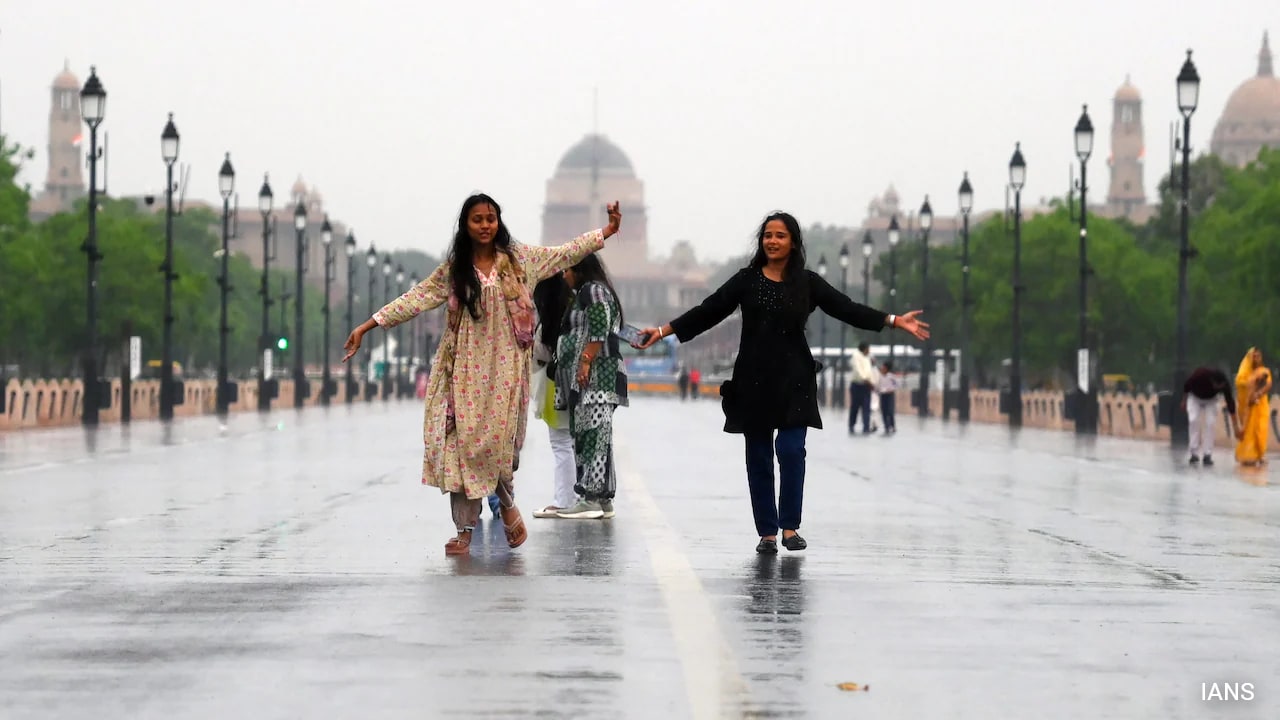
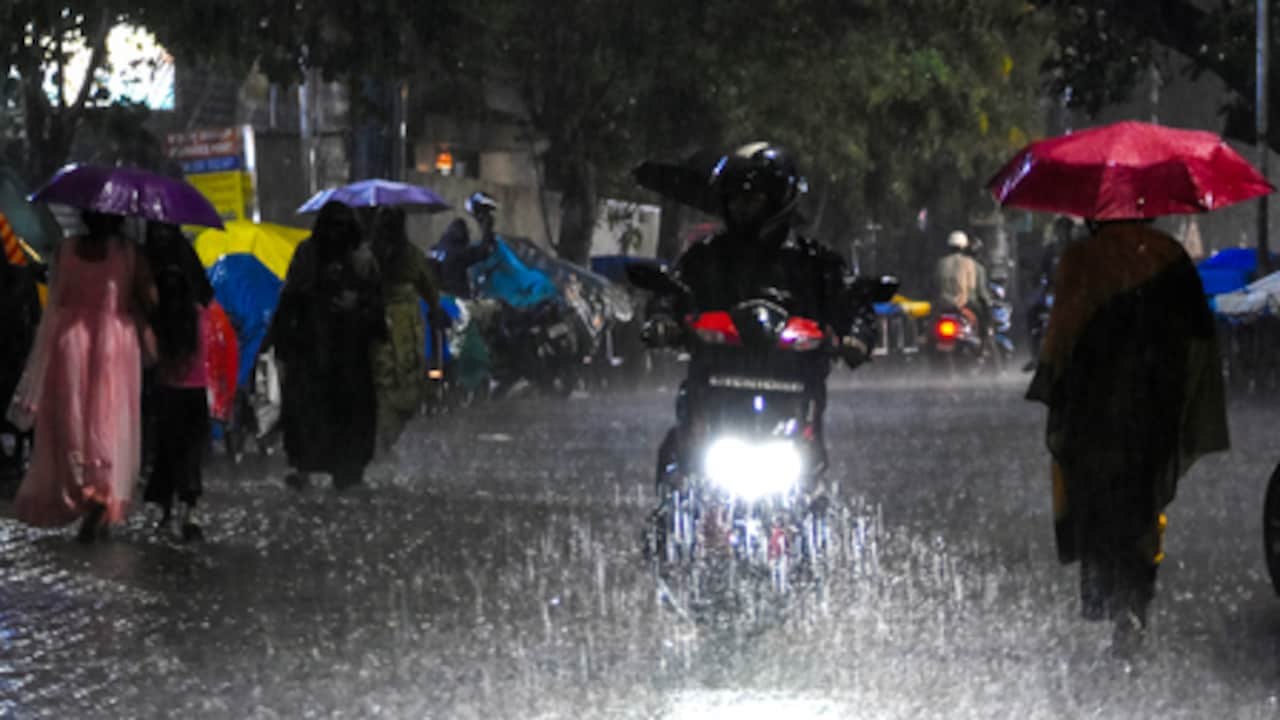
According to the IMD, large swathes of north‑west, central and western India are expected to experience persistent rainfall over the coming days. Major urban centres such as Delhi, Mumbai, Jaipur, Chandigarh and Ludhiana have been warned of heavy showers, frequent thunderstorms and occasional gusty winds. The rain is projected to lower temperatures significantly, offering a much‑needed respite from the record‑high heat that has persisted this summer.
Regional Outlook
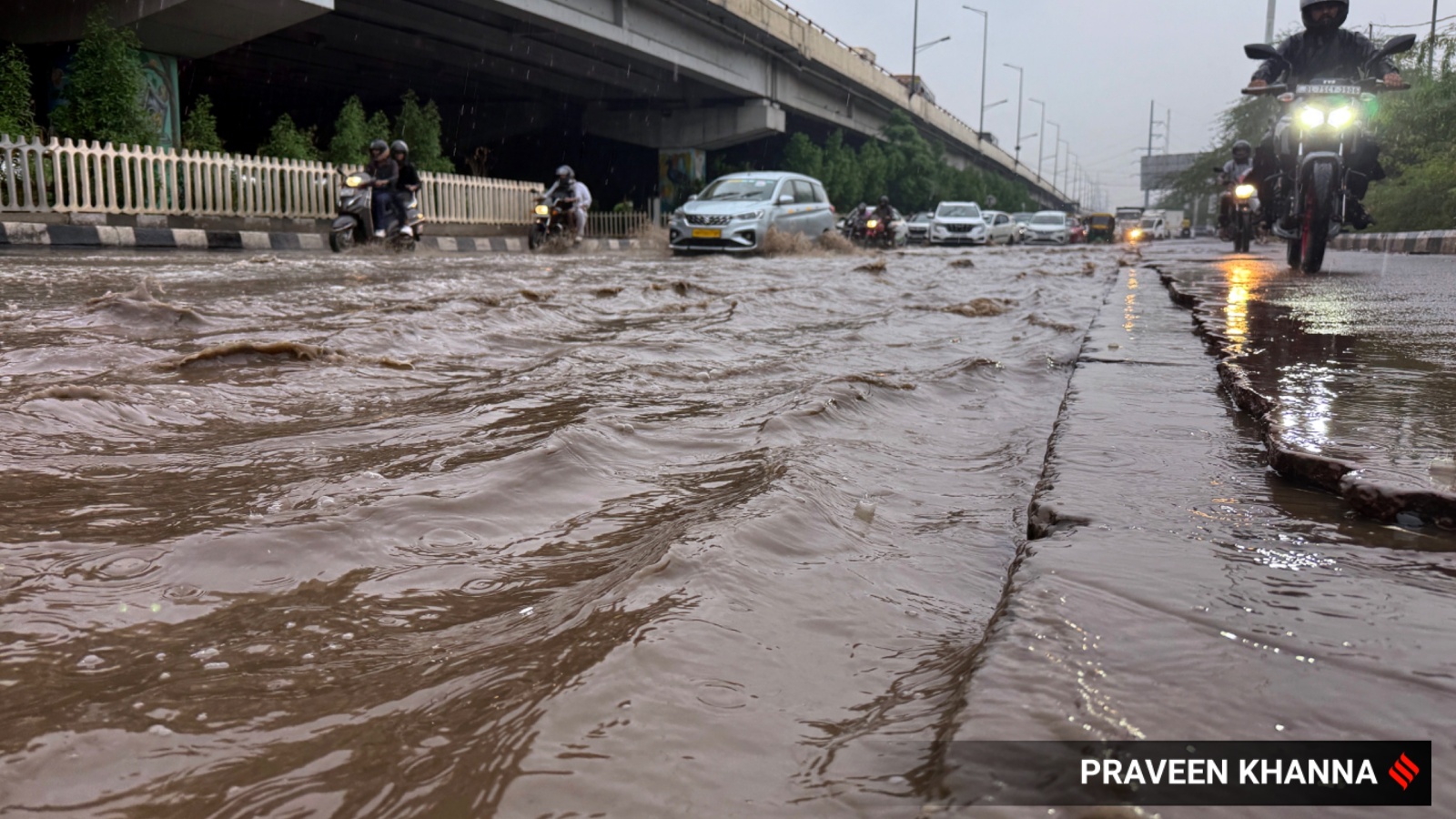
In Delhi, temperatures that have hovered around 38 °C are likely to dip below 30 °C within 48 hours, providing relief to residents and reducing energy demand for cooling. Mumbai’s coastal zones, however, face a heightened risk of localized flooding as stormwater drains are already strained. In the agrarian states of Rajasthan, Haryana and Punjab, the monsoon could replenish reservoirs and improve soil moisture, benefitting sowing cycles, though excessive runoff may threaten some low‑lying fields.
Historical Context
Over the past five years, India’s monsoon onset has shown considerable variability. A delayed monsoon in 2022 led to water scarcity in several states, whereas the early and intense rains of 2024 triggered urban flooding in major metros. The current forecast of an accelerated monsoon underscores the need for robust water‑management strategies and resilient urban infrastructure to mitigate adverse impacts.
Expert Analysis
Climate specialist Dr. Ajay Singh notes, “This monsoon presents a dual‑edged opportunity: it can alleviate the nation’s water stress, but only if we upgrade drainage systems and enforce flood‑plain zoning.” He adds that farmers stand to benefit from replenished groundwater and better field conditions, provided that water‑logging is controlled.
Preparedness Measures
The IMD urges citizens to stay alert, avoid low‑lying areas, and keep emergency kits ready. Local authorities are advised to mobilise rapid‑response teams for drainage clearance, traffic management and emergency medical services. Coordination between state disaster management agencies and municipal bodies will be crucial to minimise disruption.
Overall, the monsoon is set to bring much‑needed cooling across large parts of India, yet it will also expose infrastructural vulnerabilities. Proactive planning and swift execution of mitigation measures can turn this natural phenomenon into a catalyst for sustainable water resource management.