A new study reveals that skilled workers in Delhi forfeit between Rs 8,300 and Rs 23,800 each year due to congestion. The traffic nightmare drains billions, fuels pollution, and erodes productivity across India’s major metros.
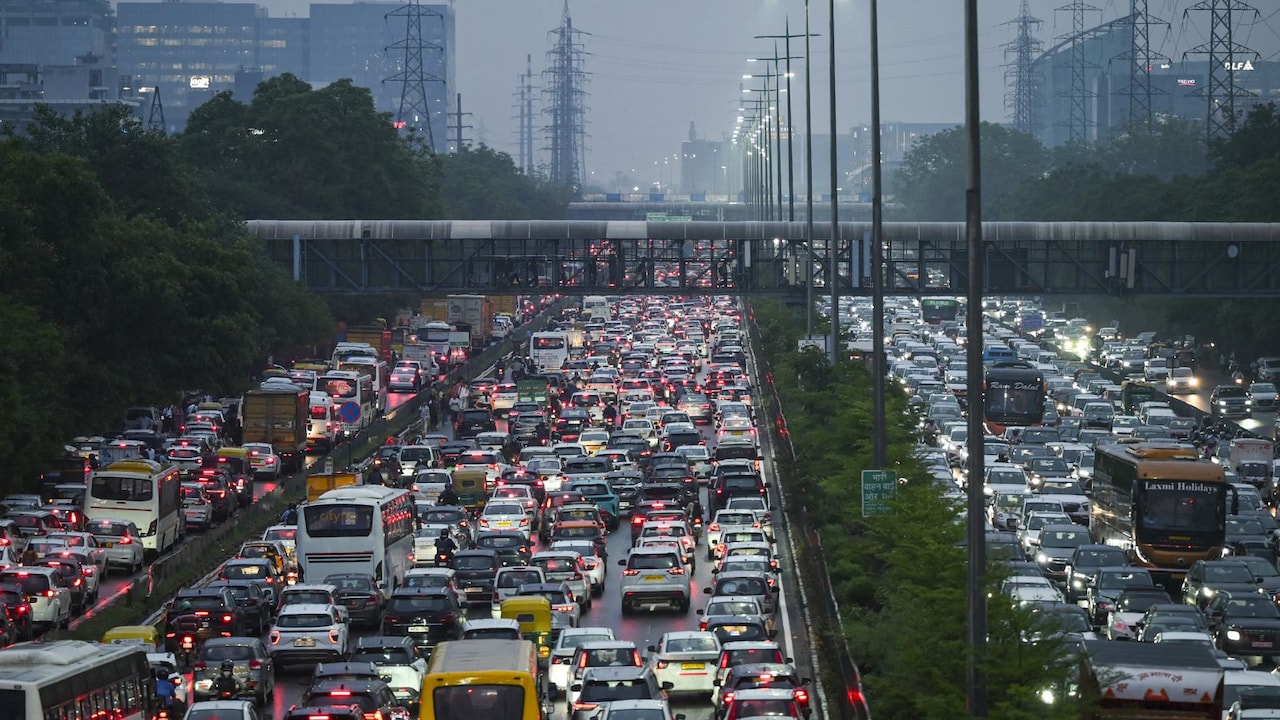
India’s largest metropolitan areas are no longer merely battling inconvenience; they are confronting a full‑blown economic and environmental crisis. A nationwide analysis released this week estimates that chronic traffic congestion costs the country roughly Rs 1.47 lakh crore every year, a figure that encompasses lost output, wasted fuel and the hidden toll on human capital.
Impact on Skilled Workers’ Earnings
In Delhi, the study found that a typical skilled employee loses between ₹8,300 and ₹23,800 annually. Longer commute times, irregular work hours and chronic fatigue reduce both individual productivity and long‑term career growth. Economists warn that without decisive action, the drain on skilled labour could impair India’s competitive edge in a global market.
Environmental Degradation and Quality of Urban Life
Beyond the financial hemorrhage, gridlock intensifies air and noise pollution while inflating greenhouse‑gas emissions. Half of India’s ten most polluted cities are metro hubs where average traffic speed has fallen below 20 km/h. Slower speeds translate into higher fuel consumption, driving a 15 % rise in carbon dioxide output across affected corridors.
Historical Context and Policy Landscape
Urban populations have surged by more than 50 % in the past two decades, outpacing infrastructure development. Although the ‘Smart City’ initiative of the 1990s aimed to modernise transport, many metros still lack sufficient public‑transit capacity. Policymakers now face pressure to adopt immediate remedies—such as mass‑transit upgrades, car‑pool incentives, and AI‑driven traffic‑management platforms—to stem the losses.
Future Outlook
Effective congestion mitigation could unlock substantial economic gains, improve public health, and restore work‑life balance for millions. Experts advocate for accelerated investment in electric buses, metro extensions, and dedicated cycling lanes, arguing that a blend of public‑private partnerships and sustainable technology will deliver long‑term resilience for Indian cities.