A sudden monsoon surge in Raigad’s Patalganga River has carried 3,000 gas cylinders downstream, posing a severe environmental and public safety threat.
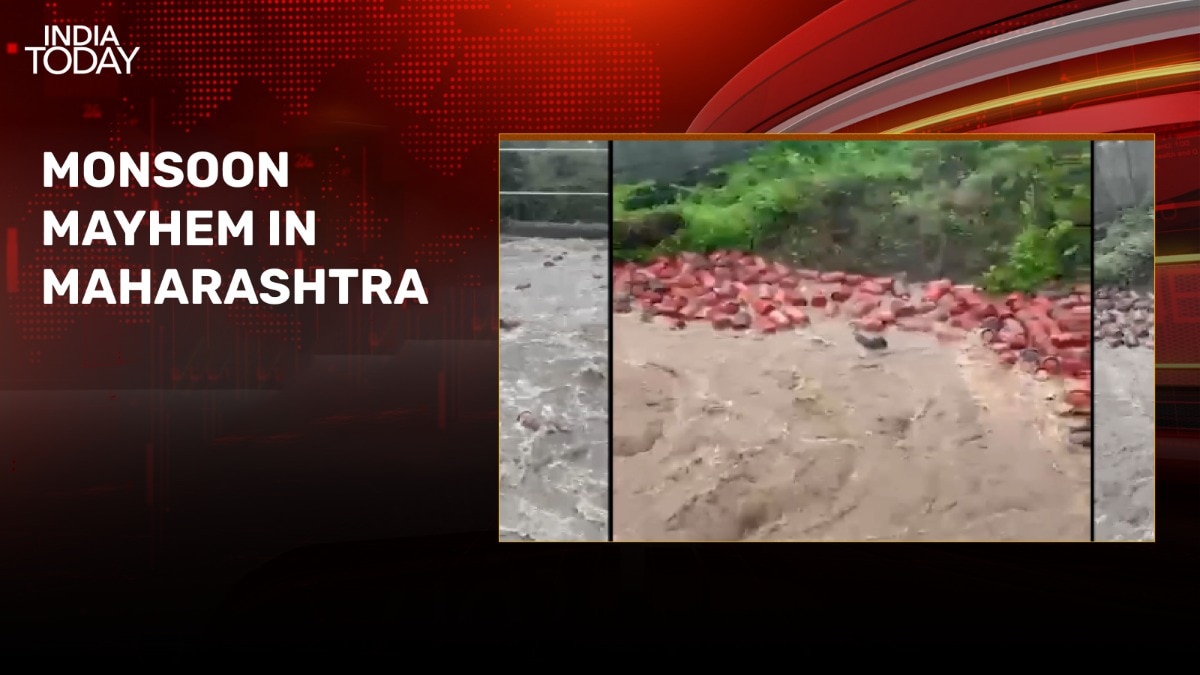
In the wake of a sudden monsoon surge, the Patalganga River in Raigad district has swept away more than 3,000 gas cylinders, creating a new environmental and public‑health hazard. The incident occurred on 15 August 2024, when a rapid rise in water levels overwhelmed the local drainage system and carried storage units into the river.
Causes and Context
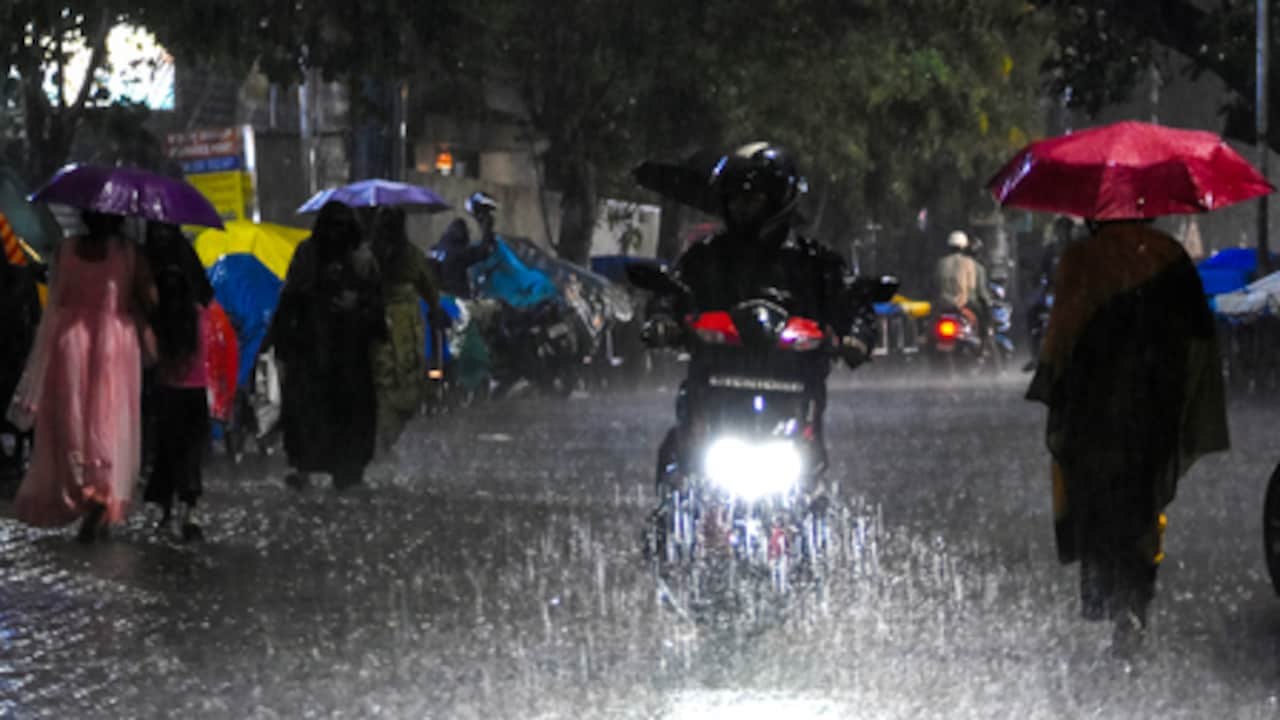
Continuous heavy rains had pushed the river’s water level beyond its banks. Many gas cylinders, stored in a nearby facility, were dislodged by the powerful current and drifted downstream. Experts warn that any leakage could trigger widespread explosions or toxic gas releases.
Safety Measures and Emergency Response
Local authorities immediately deployed an emergency response team and established a 10‑kilometre safety perimeter around the affected zone. On the governor’s directive, the state water conservation department dispatched a specialised diving unit to locate and recover the floating cylinders. Environmental protection agencies also began monitoring water quality and issued alerts for potential contamination.
Future Prevention and Policy
This incident underscores the need for rigorous, weather‑based risk assessments for gas storage facilities. The state government announced plans to relocate all such units based on rainfall forecasts and to update emergency evacuation protocols. Citizens are advised to secure gas cylinders away from vulnerable areas and to heed official instructions.
Conclusion
Monsoon unpredictability once again highlights how fragile industrial safety can be amid natural disasters. If not managed swiftly, this event could cause significant environmental damage and threaten lives. Both government and citizens must collaborate to implement robust measures that prevent such catastrophes in the future.