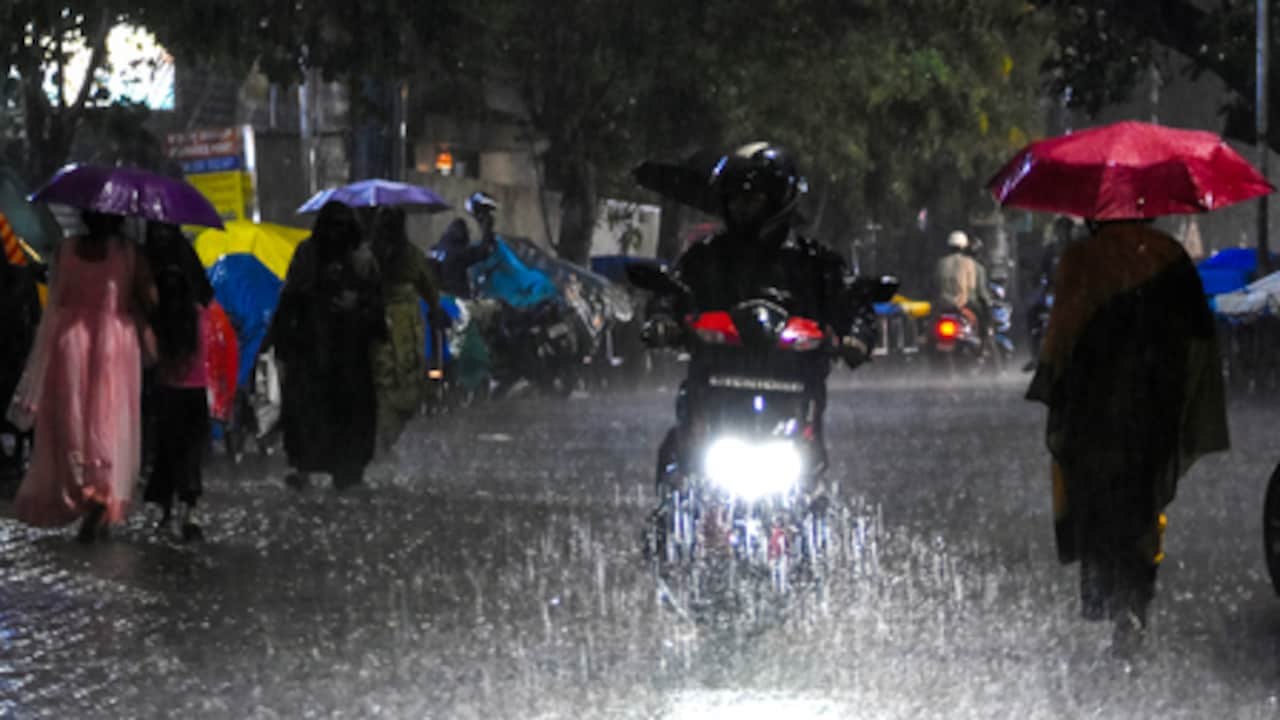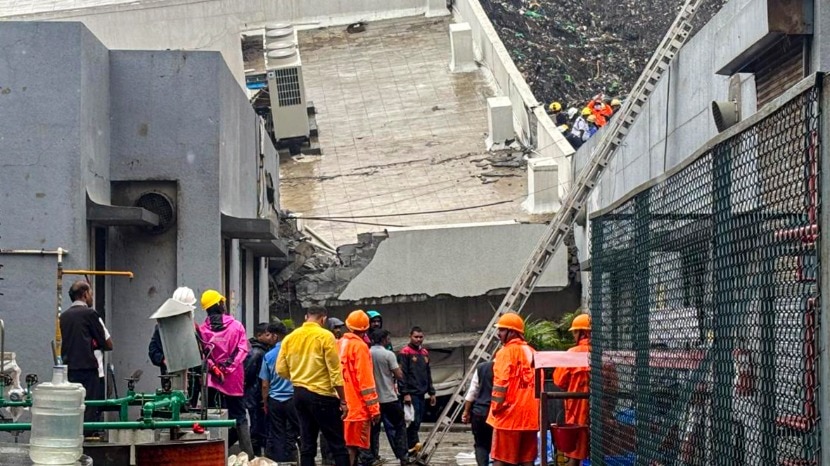
Heavy rains have unleashed floods, flash‑floods and a building collapse across Delhi, Mumbai and several western states. In Pune’s Pimpri‑Chinchwad, a waste‑pile collapse toppled a three‑storey office, leaving 11 people feared trapped.
In early July, an unusually intense monsoon surged across most of India, creating flood‑like conditions in Delhi, Mumbai, Maharashtra, Gujarat and Himachal Pradesh. The India Meteorological Department issued red and orange alerts for several regions, yet the deluge overwhelmed preparedness, turning warnings into reality.
Widespread Flooding and Water‑logging
In Delhi, neighborhoods such as Sadarpur, Greater Kailash, Badarpur and Svarup Nagar were inundated, causing massive traffic snarls on Ring Road, Outer Ring Road and National Highway‑48. Mumbai experienced similar chaos; local train services were delayed by up to 30 minutes and nine flights were diverted to nearby airports due to low visibility. Both Tulsi Lake and Vihar Lake rose to danger levels, prompting emergency water‑level monitoring.
Pune Waste‑Pile Collapse Triggers Building Failure
In Maharashtra’s Pune district, the Pimpri‑Chinchwad suburb of Moshi witnessed a private‑company office building collapse when a massive pile of waste gave way. Initial reports suggested up to 23 people could be trapped under the debris; several have been rescued, but authorities now fear 11 remain stuck. Rescue teams deployed hydraulic tools and top‑search equipment to expedite the operation.
Relief Operations Across Affected States
Surat in Gujarat recorded 358 mm of rain within 24 hours, forcing the evacuation of thousands to temporary shelters. State officials dispatched emergency kits, food and medical aid. Similar mobilisations occurred in Delhi and Himachal Pradesh, where disaster‑management squads focused on water‑drainage, flood control and relocating residents to safer zones.
Looking Ahead: Policy Shifts and Climate Resilience
Scientists warn that climate change is intensifying monsoon patterns, making such extreme events more frequent. Experts call for robust waste‑management, smarter urban planning and flood‑resilient infrastructure. Citizens are urged to stay alert, keep emergency kits ready, and act swiftly on official warnings.
These incidents underscore that short‑term relief alone cannot suffice; coordinated disaster response, real‑time alert systems and long‑term climate‑adapted development are now imperative.