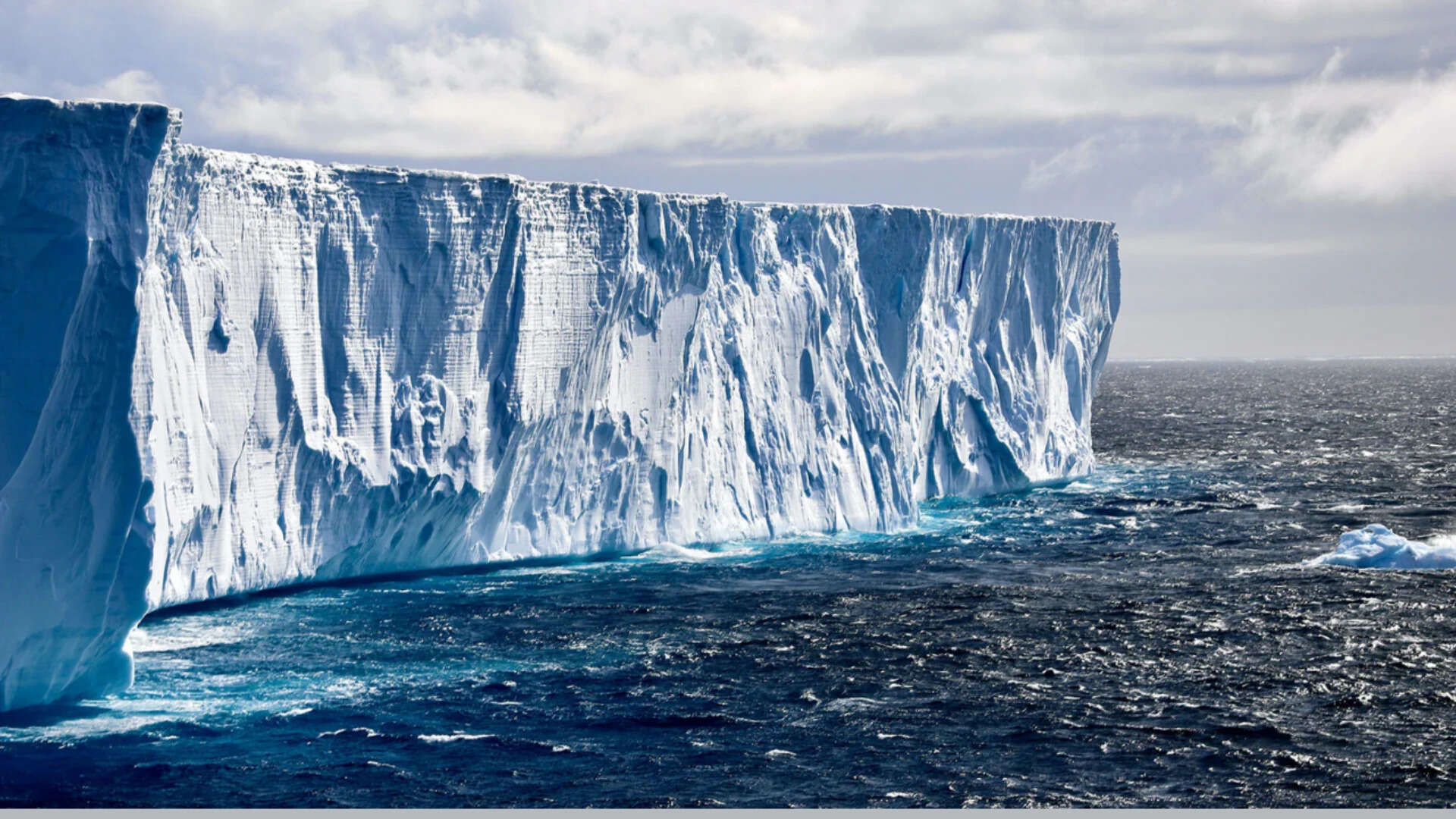
In a landmark discovery, scientists have identified nanoplastic particles in the pristine soils of Antarctica, highlighting the relentless spread of global pollution.
In a groundbreaking scientific study, researchers have identified the presence of nanoplastics in the pristine soils of Antarctica for the very first time. This discovery marks a chilling milestone in environmental science, proving that even the most isolated and untouched regions on Earth are no longer safe from the pervasive reach of human-made pollutants.
Atmospheric Transport and Global Reach
The study elucidates how these microscopic plastic particles travel vast distances through atmospheric currents to reach the polar regions. Far from being localized issues, plastic pollutants are being lofted into the atmosphere, where they circulate globally before settling in remote terrains. Detailed analysis of soil samples has specifically linked this contamination to tyre wear and the degradation of everyday plastic consumer goods.
Local Activity vs. Long-Range Pollution
A critical aspect of this research is the dual nature of the contamination. While atmospheric movements play a massive role in transporting micro-debris, the study also suggests that local human activities—stemming from scientific research stations and increasing tourism in the region—are contributing to the accumulation of plastic in the Antarctic soil. This intersection of local and global pollution creates a complex challenge for conservationists.
The Looming Ecological Threat
The implications of nanoplastic contamination are profound. Due to their infinitesimal size, these particles can penetrate biological membranes and enter the cellular structures of organisms, potentially disrupting the entire Antarctic food web. As the soil chemistry changes, the impact on microbial life and the delicate balance of the polar ecosystem could be irreversible. This finding serves as an urgent call to action for international regulatory bodies to address the lifecycle of plastics more aggressively.