The India Meteorological Department (IMD) confirmed that the Southwest Monsoon has fully covered the country as of July 9, 2026. This vital progression brings immense relief to the agricultural sector and promises to replenish depleting reservoirs.
The India Meteorological Department (IMD) has officially announced that the Southwest Monsoon has fully covered the entire country on July 9, 2026. While the normal date for the monsoon to envelop the nation is July 8, this year's progression concluded with a minimal delay of just one day. According to the weather office, the monsoon successfully advanced into the remaining parts of the North Arabian Sea, Rajasthan, Haryana, and Punjab, bringing the entire subcontinent under its seasonal rain canopy.
The Trajectory and Progress of Monsoon 2026
The journey of the Southwest Monsoon began on its typical schedule around June 1, making landfall over Kerala. It progressed rapidly across the southern and eastern peninsulas before experiencing a brief deceleration during the final week of June and early July. This temporary lull prolonged the intense heatwave conditions in parts of North-West India. However, a favorable meteorological system and strong moisture-laden winds from the Bay of Bengal soon revitalized the current, driving it rapidly through Delhi-NCR and the remaining parts of northern India by the first week of July.
Economic and Agricultural Implications
The timely and comprehensive spread of the monsoon is a monumental boost for India's agrarian economy. More than half of India's arable land lacks artificial irrigation, making it heavily reliant on seasonal rainfall. The arrival of the monsoon across the country will accelerate the sowing of Kharif crops, including paddy, pulses, oilseeds, and cotton. Furthermore, the precipitation is crucial for replenishing the water levels in 150 major reservoirs across the country, which are vital for drinking water supply, winter crops (Rabi), and hydroelectric power generation.
Urban Vulnerabilities and Infrastructure Challenges
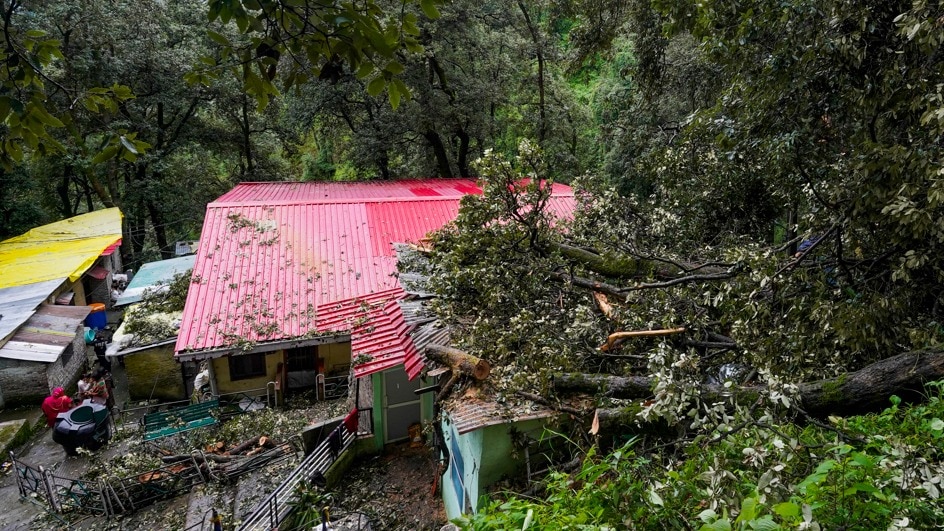
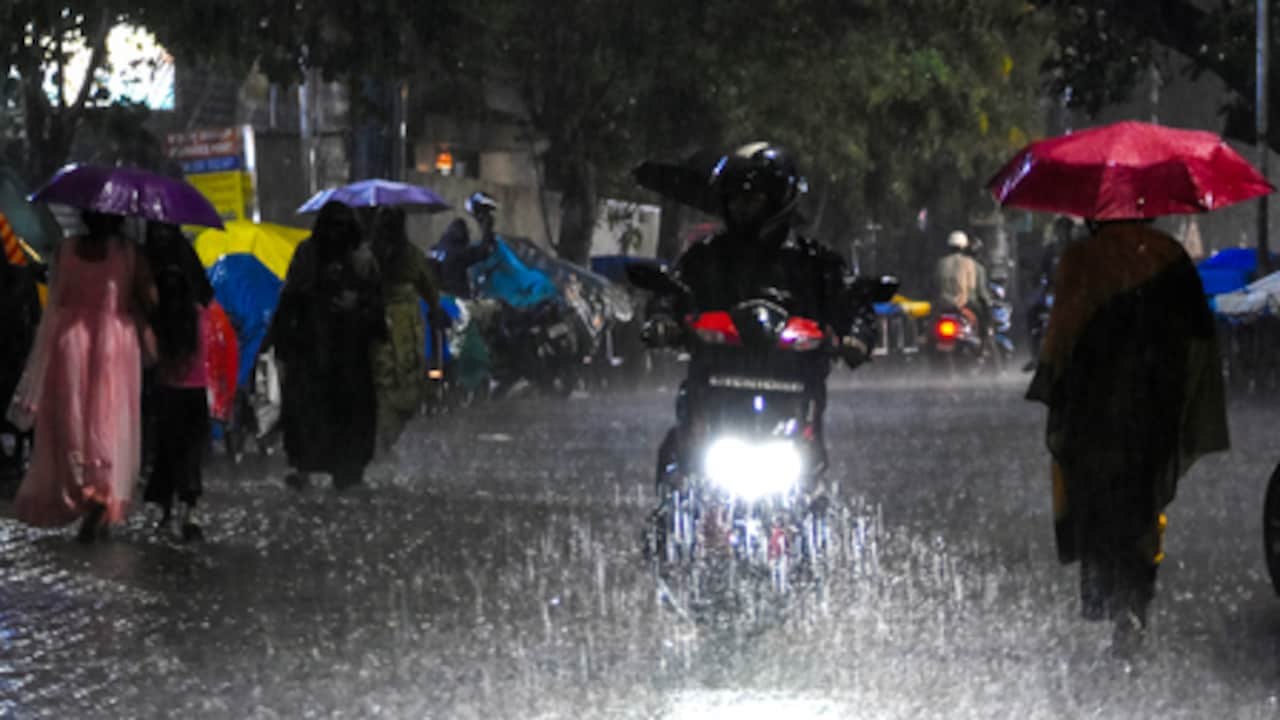
While the monsoon brings joy to the agricultural heartland, it simultaneously exposes the severe vulnerabilities of India's urban infrastructure. Heavy downpours in major metropolitan areas, including Delhi-NCR, Mumbai, Pune, and Gurugram, have led to severe waterlogging, prolonged traffic gridlocks, and localized flooding. In hilly terrains like Uttarakhand and Himachal Pradesh, intense rainfall has triggered landslides, disrupting connectivity and posing significant safety risks. The IMD has issued red, orange, and yellow alerts for several states, urging local administrations to remain highly vigilant.