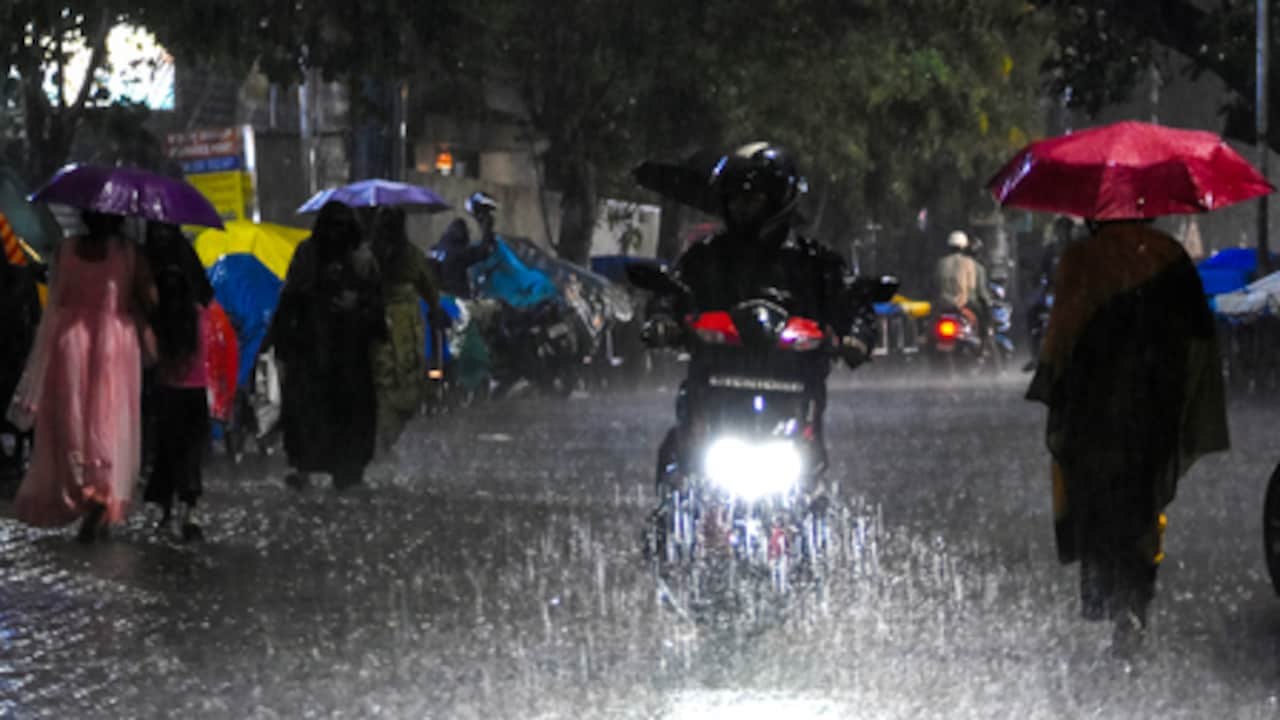
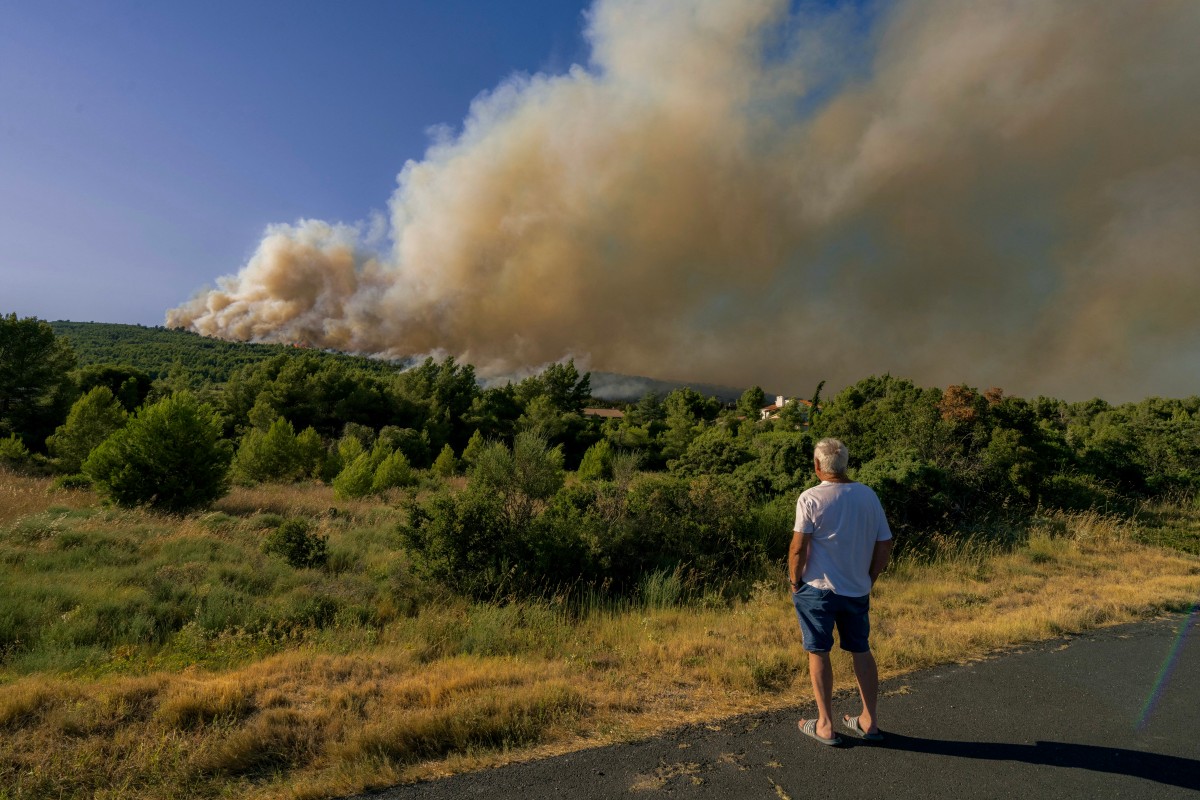
A powerful El Niño has pushed back the onset of the southwest monsoon in Karnataka, creating uneven rainfall and posing a serious risk to the state’s rain‑fed agriculture. A 60 % deficit in South Interior Karnataka could lead to major losses in kharif crop yields.
Recent data from the Karnataka State Natural Disaster Management Authority (KSDMA) confirms that the intense El Niño phenomenon has delayed the start of the southwest monsoon, resulting in markedly lower precipitation between June and early July. From June 1 to July 8, the state recorded just 191 mm of rain against a normal 266 mm, a shortfall of 28 %. This shortfall threatens water resources and the agrarian economy that depends on timely rains.
Current Rainfall Figures
In July the state received 75 mm of rain compared with an average of 67 mm, a modest +13 % increase that falls within the ‘normal’ category. However, the improvement is confined to coastal and Malnad zones; South Interior Karnataka still suffered a 60 % deficit. This region cultivates roughly 70 % of Karnataka’s kharif (monsoon) crops, making the rainfall shortfall a direct threat to food security.
Agricultural Implications
Former director of the Karnataka State Natural Disaster Monitoring Centre, G.S. Srinivasa Reddy, warned that the deficient rainfall could severely curtail kharif harvests. A reduced yield will ripple through rural economies, depress market prices, and increase farmer indebtedness. Moreover, dwindling surface water and groundwater levels could exacerbate long‑term water scarcity.
Forecast Outlook
Mahesh Palawat, vice‑president of Meteorology and Climate Change at Skymet Weather, noted that the El Niño impact mirrors trends across India, with slightly below‑normal rainfall expected in northern interior Karnataka during July‑August. He projected a “break monsoon” phase beginning around July 11‑12, bringing dry conditions across the south peninsula, northwest India, and central India for at least a week.
Long‑Term Water Stress
Reddy emphasized that only about 30 % of the monsoon season has passed, leaving 70 % still to come. If the adverse pattern persists, not only rabi (winter) crops but also the upcoming summer could face water shortages—dry borewells, falling groundwater tables, and heightened drinking‑water scarcity. Policymakers must therefore prioritize water‑management strategies, diversified cropping, and climate‑resilient practices.